Which non-resident mortgage options are available for purchasing a development plot in Ashdod for a Canadian investor?
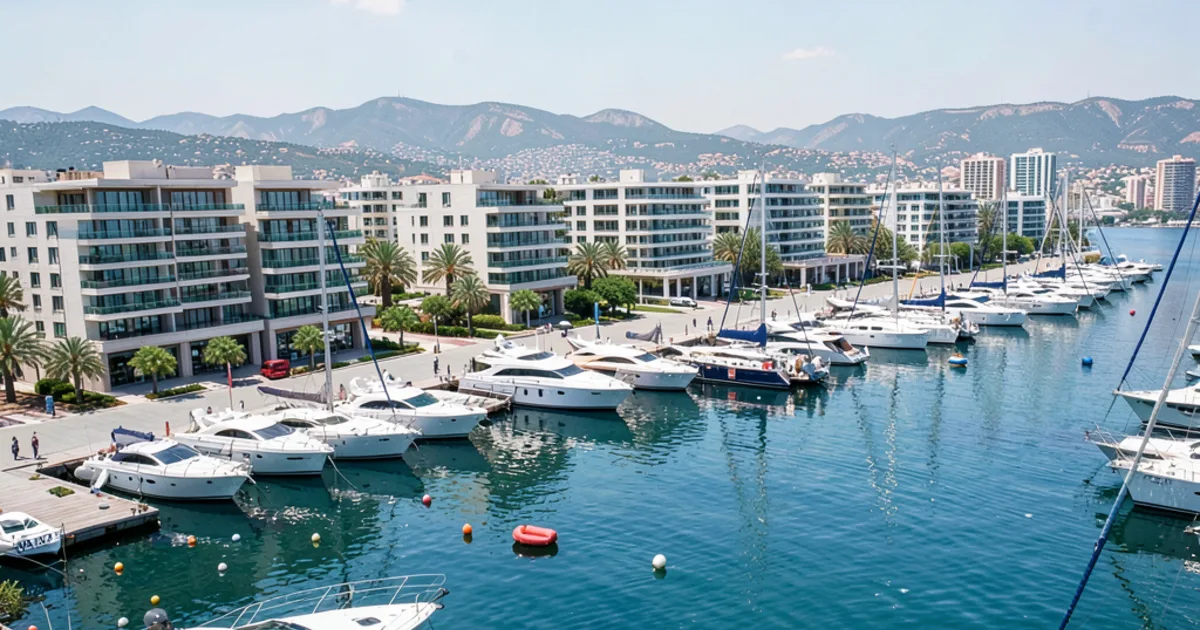
For a Canadian investor considering the acquisition of a development plot in Ashdod, Israel, the prospect of securing financing as a non-resident can seem daunting. This comprehensive guide, brought to you by LandIsrael, aims to demystify the non-resident mortgage options available, offering actionable insights and essential considerations. We will delve into the intricacies of financing land for development, addressing the unique challenges and opportunities presented by the Israeli real estate market for foreign investors.
- Understanding the Israeli Mortgage Landscape for Non-Residents
- Key Financial Institutions and Their Approach to Non-Resident Land Loans
- Loan-to-Value Ratios and Down Payment Expectations for Development Plots
- Documentation and Due Diligence: What Israeli Banks Require
- Understanding Purchase Tax (Mas Rekhisha) and Capital Gains Tax (Mas Shevah)
- The Role of the Binding Memorandum and Legal Counsel
- Navigating Municipal Taxes (Arnona) and Ongoing Costs
- The Importance of Local Expertise: Real Estate Agents and Mortgage Brokers
- Currency Exchange Rates and Repayment Strategies
- Future Development and Exit Strategy Considerations
- Integrating into the Local Environment: Language and Cultural Nuances
- The Appeal of Ashdod for Development Investment
Understanding the Israeli Mortgage Landscape for Non-Residents
The Israeli mortgage market, while robust, operates with distinct regulations for non-residents. Unlike domestic buyers, foreign investors often face stricter lending criteria and may be offered different loan-to-value (LTV) ratios. Israeli banks assess non-resident applications with a keen eye on financial stability, the investor's country of origin, and the specific nature of the property being financed.
Crucially, financing a development plot, as opposed to a finished residential unit, introduces another layer of complexity. Lenders typically view raw land or land slated for future development as a higher-risk asset. This increased risk profile translates into potentially lower LTVs and a more rigorous due diligence process on the part of the financial institution.
Canadian investors, due to Canada's strong economic standing and robust financial regulatory environment, are generally viewed favorably by Israeli lenders. However, this positive perception does not negate the need for thorough preparation and understanding of the specific requirements. Navigating this landscape effectively requires a strategic approach and often, the assistance of local financial experts who specialize in foreign investment.
Key Financial Institutions and Their Approach to Non-Resident Land Loans
Several major Israeli banks offer mortgage products to non-residents, including Bank Leumi, Bank Hapoalim, Mizrahi Tefahot, and Discount Bank. Each institution has its own set of policies, risk appetite, and product offerings tailored for foreign investors. It is imperative to engage with multiple lenders to compare terms, interest rates, and specific requirements for development plots.
When financing land for development, banks will not only assess the borrower's financial health but also the viability of the development project itself. This often includes scrutinizing the proposed building plans, zoning regulations, and the developer's experience. A well-articulated business plan for the development, including projected timelines and revenues, can significantly strengthen a loan application.
Some smaller, boutique financial institutions or private lenders might also be an option, particularly for projects that fall outside conventional banking parameters. While these options might offer more flexibility, they often come with higher interest rates and potentially more stringent repayment terms. It's essential to weigh the benefits of flexibility against the increased financial cost and risk.
Loan-to-Value Ratios and Down Payment Expectations for Development Plots
For non-residents purchasing development plots, LTV ratios are typically more conservative than for finished residential properties. While a residential mortgage for a non-resident might see LTVs in the range of 50-70%, a development plot could command lower percentages, potentially in the range of 30-50% of the land's appraised value. This means a substantial down payment from the investor is almost always required.
The exact LTV will depend on numerous factors: the specific bank, the location and zoning of the plot in Ashdod, the investor's financial profile, and the perceived risk of the development project. Banks are inherently cautious with raw land as its value can be more volatile and its development subject to various permits and market conditions.
Canadian investors should therefore plan for a significant equity contribution. Beyond the initial down payment, it's also prudent to factor in additional capital for development costs, permits, and unforeseen expenses. Demonstrating ample liquidity beyond the down payment can significantly enhance a non-resident's appeal to Israeli lenders.
Documentation and Due Diligence: What Israeli Banks Require
The documentation requirements for a non-resident mortgage are extensive and meticulous. Canadian investors should prepare to provide comprehensive financial statements, proof of income (employment letters, tax returns for several years), bank statements, and identification documents (passport, proof of Canadian residency). Banks will also require a detailed credit report, often from international agencies.
For a development plot in Ashdod, additional documentation specific to the land and proposed project will be crucial. This includes a copy of the Tabu (land registry) extract, a professional appraisal of the plot, architectural plans (if available), zoning approvals, and a detailed project feasibility study. Any pre-existing permits or agreements related to the land will also be required.
Expect a thorough due diligence process on both the investor and the property. Banks will verify all financial information, assess the legal standing of the land, and evaluate the market potential of the proposed development. Engaging with a reputable Israeli legal team and a local real estate expert from the outset can streamline this complex process significantly.
Understanding Purchase Tax (Mas Rekhisha) and Capital Gains Tax (Mas Shevah)
When purchasing a development plot in Israel, Canadian investors must be aware of Mas Rekhisha, or purchase tax. For non-residents, the purchase tax rates can be substantial and are calculated based on the property's value. These rates are progressive and can represent a significant upfront cost, distinct from the property's purchase price and mortgage fees.
It's crucial to consult with an Israeli tax advisor well in advance of any purchase to understand the current rates and potential exemptions or reliefs that might apply. The tax implications can vary depending on whether the investor is purchasing as an individual or through a corporate entity, and whether it's classified as an investment or a primary residence (though less likely for a development plot).
Upon eventual sale of the developed property or the plot itself, Mas Shevah, or capital gains tax, will be applicable on any profit realized. The calculation of capital gains can be complex, taking into account various deductions and indexation. Planning for these taxes from the outset is essential for an accurate financial projection of the investment's profitability.
The Role of the Binding Memorandum and Legal Counsel
Before a formal purchase agreement is signed, a 'binding memorandum' (Zichron Devarim) is often used in Israel. While not always mandatory, it serves as a preliminary, legally binding agreement outlining the key terms of the sale. For a development plot, this memorandum should clearly define the property, price, payment schedule, and any conditions precedent to the sale, such as zoning approvals or permits.
Engaging skilled Israeli legal counsel is non-negotiable for Canadian investors. A local lawyer specializing in real estate will conduct thorough due diligence on the plot, verify ownership through the Tabu land registry, ensure there are no liens or encumbrances, and advise on all contractual aspects. They will also guide the investor through the intricate process of transferring ownership and registering the property.
Your legal team will also play a pivotal role in ensuring that the purchase agreement accurately reflects your interests and protects you from potential pitfalls. They will review all clauses related to zoning, development rights, and any potential liabilities associated with the land, providing peace of mind throughout the transaction.
Navigating Municipal Taxes (Arnona) and Ongoing Costs
Once a development plot is acquired in Ashdod, even before any construction begins, the owner becomes subject to municipal property tax, known as Arnona. Arnona is levied by the local municipality and is calculated based on the size and classification of the property. The rates can vary significantly depending on the specific zoning and intended use of the land.
Canadian investors should factor Arnona into their ongoing holding costs, as it represents a recurring expense regardless of development progress. It's important to understand the payment schedule and potential penalties for late payment. Your local real estate agent or legal counsel can help you ascertain the estimated Arnona costs for the specific plot you are considering.
Beyond Arnona, other ongoing costs might include land maintenance, security (if the plot is large or isolated), and potentially insurance. These expenditures, while seemingly minor individually, can accumulate and impact the overall profitability of the investment if not accounted for in the initial financial planning.
The Importance of Local Expertise: Real Estate Agents and Mortgage Brokers
For a non-resident Canadian investor, partnering with a knowledgeable local real estate agent specializing in development plots in Ashdod is invaluable. Such an agent possesses intimate knowledge of the local market, zoning regulations, and upcoming infrastructure projects that could impact the plot's value. They can identify suitable opportunities that align with your investment goals.
Furthermore, an experienced Israeli mortgage broker who specializes in non-resident financing can be a game-changer. These brokers have established relationships with various banks and understand their specific lending criteria. They can efficiently package your application, negotiate favorable terms, and navigate the bureaucratic hurdles, saving you considerable time and effort.
LandIsrael, as your trusted adviser, emphasizes the critical role of these local experts. Their guidance can help you avoid common pitfalls, identify the most competitive financing options, and ensure a smooth transaction from initial search to final acquisition. Their expertise is an investment that pays dividends in both efficiency and peace of mind.
Currency Exchange Rates and Repayment Strategies
Canadian investors taking out an Israeli mortgage will primarily be dealing with Israeli New Shekels (ILS) for loan repayments, while their income is likely in Canadian Dollars (CAD). This exposes them to currency exchange rate fluctuations, which can impact the effective cost of the mortgage over time. A weakening CAD against the ILS would make repayments more expensive.
It's vital to consider strategies to mitigate currency risk. This could involve hedging options, setting aside a buffer fund in ILS, or structuring repayments in a way that allows for flexibility. Consulting with a financial advisor specializing in international investments can help formulate a robust currency management strategy.
Repayment terms for non-resident mortgages can vary. Banks might offer a mix of fixed-rate and variable-rate options. Understanding the implications of each, especially in a dynamic interest rate environment, is crucial. Ensure you have a clear plan for how mortgage payments will be funded, whether from rental income from future development, other investments, or your primary income source.
Future Development and Exit Strategy Considerations
Acquiring a development plot in Ashdod is often the first step in a larger investment strategy. Canadian investors should have a clear vision for the plot's development, whether it's for residential, commercial, or mixed-use purposes. This vision will influence the type of financing sought and the long-term profitability of the investment. Understanding the local planning and building committees is paramount.
Consider the timeline for development. The process of obtaining building permits, engaging contractors, and completing construction can be lengthy and subject to various approvals and inspections. A realistic timeline, accounting for potential delays, should be integrated into your financial projections and repayment strategy.
Finally, a well-defined exit strategy is as important as the acquisition plan. Will you sell the developed units individually, sell the entire developed property, or hold it for long-term rental income? Understanding the Ashdod real estate market's absorption rates and potential resale values is crucial. This foresight will help you maximize your return on investment and navigate potential market shifts.
Integrating into the Local Environment: Language and Cultural Nuances
While not directly financial, understanding and respecting the local language and cultural nuances in Israel can significantly ease the investment process. Hebrew is the official language, and while many Israelis speak English, direct communication in Hebrew can foster stronger relationships with local professionals, contractors, and municipal officials.
Consider taking an Ulpan (Hebrew language school) or engaging a translator for key meetings, especially during the initial stages of project development. Demonstrating an effort to engage with the local culture can open doors and facilitate smoother interactions, potentially avoiding misunderstandings that could lead to delays or complications.
Beyond language, understanding local business practices, holidays, and social customs can enhance your overall experience and ensure that your development project proceeds efficiently. A culturally sensitive approach, combined with expert local advice, creates a solid foundation for successful foreign investment in Israel.
The Appeal of Ashdod for Development Investment
Ashdod, as a major port city on Israel's Mediterranean coast, presents a compelling case for development investment. Its strategic location, growing population, and ongoing urban development projects make it an attractive prospect for both residential and commercial ventures. The city benefits from significant infrastructure investments and a diverse economic base.
The demand for housing and commercial spaces in Ashdod continues to grow, driven by internal migration and natural population increase. This sustained demand provides a favorable environment for developers. Furthermore, the city's coastal charm and quality of life enhance its appeal to potential end-users of developed properties.
For Canadian investors, Ashdod offers a blend of established urban infrastructure and future growth potential. Investing in a development plot here allows for participation in a dynamic market, with opportunities to contribute to the city's expansion while aiming for substantial returns on investment. Due diligence into specific neighborhood development plans within Ashdod is always recommended.
FAQ
Can I get a 100% mortgage as a non-resident Canadian investor for a development plot in Ashdod?
No, it is highly improbable to secure a 100% mortgage for a development plot in Israel as a non-resident. Banks typically require a substantial down payment, often 50-70% or more, due to the higher risk associated with land and foreign investment.
What are the typical interest rates for non-resident mortgages on development plots in Israel?
Interest rates for non-resident mortgages on development plots can vary. They are generally higher than for resident mortgages and depend on market conditions, the specific bank, loan term, and the investor's financial profile. It's best to compare offers from multiple lenders.
Are there specific zones in Ashdod that are more favorable for foreign development plot investment?
While Ashdod generally offers strong development potential, specific zones will have varying regulations, demand, and growth prospects. Consulting with a local real estate agent specializing in Ashdod development is crucial to identify areas aligning with your investment goals and zoning requirements.
What is the average timeline for obtaining building permits for a development plot in Ashdod?
The timeline for obtaining building permits in Ashdod can vary significantly, ranging from several months to over a year, or even longer for complex projects. It depends on the project's scope, municipal approvals, and compliance with local planning regulations. Patience and expert local guidance are key.
Get your personalised shortlist
Listings and up-to-date info, straight to your inbox, free, no obligation.
See land for sale →