Which Israeli banks offer mortgages for British olim wanting to build a villa in Ra'anana?
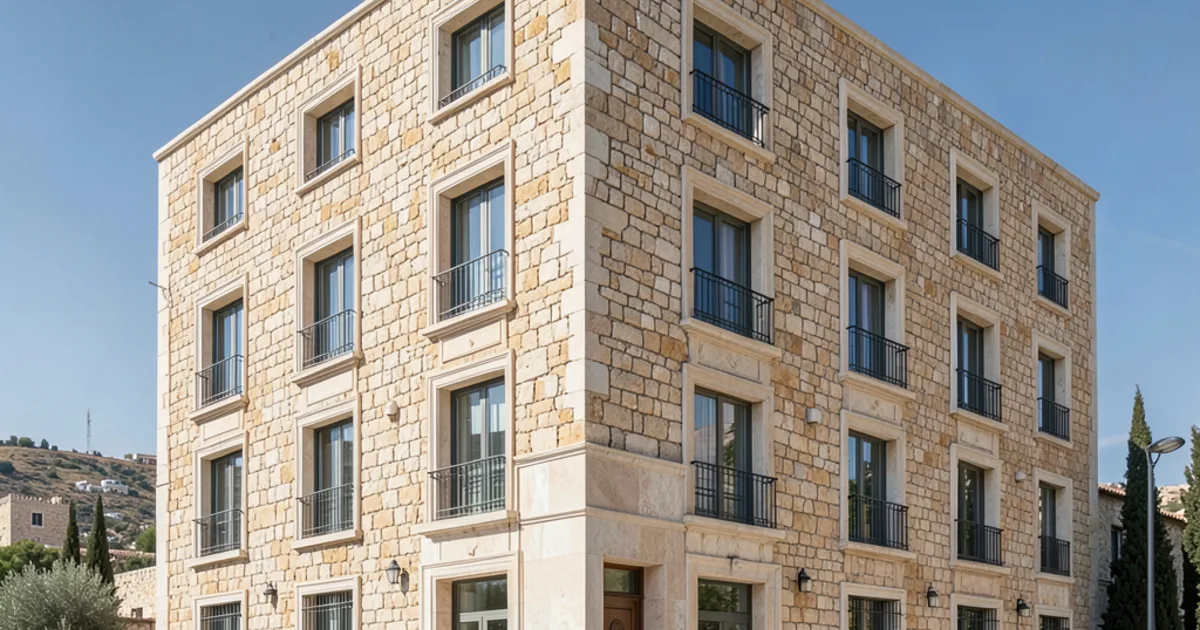
Embarking on the journey of building a villa in Ra'anana as a British Oleh is an exciting prospect, promising a blend of suburban tranquility and vibrant community life. However, securing the right financing, particularly a mortgage tailored to your specific circumstances and the unique challenges of new construction, is a critical first step. This comprehensive guide will delve into the Israeli banking system, highlighting institutions that are particularly well-equipped to assist British immigrants in realizing their dream home from the ground up in one of Israel's most sought-after cities.
- Understanding the Israeli Mortgage Landscape for Olim
- Key Israeli Banks with Strong Oleh Departments
- Specific Considerations for Building a Villa in Ra'anana
- The Construction Mortgage: Phased Disbursements and Requirements
- Documentation and Income Verification for British Olim
- Navigating Taxes and Fees Associated with Building
- The Role of Mortgage Brokers for Olim
- Preparing for Your Mortgage Application
- Beyond the Mortgage: Additional Financial Planning
- Legal and Regulatory Framework for Building in Israel
- The Importance of an 'Ulpan' and Community Integration
Understanding the Israeli Mortgage Landscape for Olim
The Israeli mortgage market, while robust, operates with distinct differences compared to the UK. For Olim, particularly those undertaking new construction, these differences are magnified. Banks assess risk differently, and the documentation required for income verification, especially from foreign sources, can be more extensive. It's crucial to approach this process with a clear understanding of the local financial ecosystem and the specific requirements for non-standard mortgage applications, such as those for building a property.
New immigrants often benefit from certain advantages, including potential government-backed programs designed to ease their integration into the housing market. However, these programs typically have specific eligibility criteria and may not always cover the full scope of a luxury villa construction project in an area like Ra'anana. Therefore, a significant portion of the financing will likely come from conventional mortgage products offered by Israeli commercial banks, tailored to your individual financial profile and the project's specifics.
The process of securing a construction mortgage, known as 'Mashkanta le'Bniya' (משכנתא לבנייה), is inherently more complex than obtaining a mortgage for an existing property. It involves phased disbursements of funds, tied to construction milestones, and requires rigorous oversight from the bank. This necessitates a strong working relationship with your chosen financial institution and a clear understanding of their expectations regarding project management and financial reporting throughout the building phase.
Key Israeli Banks with Strong Oleh Departments
Several major Israeli banks have dedicated departments or specialized advisors catering specifically to the needs of Olim. These departments are invaluable, as their staff often understand the nuances of international income, foreign assets, and the cultural transition involved in making Aliyah. They can bridge communication gaps and provide a more empathetic and efficient service compared to general mortgage advisors.
Bank Leumi, for instance, is well-regarded for its comprehensive services to new immigrants, often offering dedicated English-speaking representatives. Their experience with international clients can significantly streamline the application process for British Olim, particularly when dealing with complex financial backgrounds. They have a long history of supporting various property ventures across Israel, including construction projects.
Similarly, Bank Hapoalim has a strong presence in the Oleh community and provides a range of mortgage products, including solutions for construction. Their extensive branch network and digital services can be advantageous. Mizrahi Tefahot Bank is another prominent player, often lauded for its personalized service and flexibility, which can be particularly beneficial for unique projects like building a custom villa. Their mortgage specialists are known for their willingness to work through intricate scenarios, making them a strong contender for construction financing.
Specific Considerations for Building a Villa in Ra'anana
Ra'anana is a highly desirable city, known for its excellent quality of life, strong Anglo community, and top-tier educational institutions. This desirability translates into higher land values and construction costs compared to many other parts of Israel. Banks will assess these factors closely when evaluating your mortgage application, requiring a robust financial plan and a clear understanding of the local market conditions.
The process of building involves purchasing a plot of land (often registered under 'Tabu', the Israeli land registry), obtaining planning permits ('Heteir Bniya', היתר בנייה), and managing the construction itself. Each of these stages has financial implications that banks will scrutinize. Your mortgage advisor will want to see detailed architectural plans, a comprehensive construction budget, and a realistic timeline before approving significant funds.
Furthermore, banks will typically require you to have a significant equity contribution towards the project, reflecting the higher risk associated with new construction. This upfront investment demonstrates your commitment and reduces the bank's exposure. The exact percentage required can vary, but it's prudent to anticipate needing a substantial portion of the total project cost from your own funds before the bank will disburse the first tranche of the mortgage.
The Construction Mortgage: Phased Disbursements and Requirements
A construction mortgage, or 'Mashkanta le'Bniya', is fundamentally different from a standard mortgage. Instead of a single lump sum, funds are released in stages, contingent upon the completion of specific construction milestones. This phased approach protects both the bank and the borrower, ensuring that funds are utilized appropriately as the project progresses. Each disbursement will typically require an inspection by a bank-appointed engineer to verify the stage of completion and the quality of work.
The initial disbursement often occurs after the land purchase is finalized and the building permit is secured, covering initial architectural and engineering fees, and perhaps some groundwork. Subsequent disbursements are tied to key stages such as foundation completion, framework erection, roofing, and internal finishing. It's crucial to have a detailed project schedule and budget agreed upon with your contractor and presented to the bank.
Banks will also require comprehensive insurance policies covering the construction project, including third-party liability and contractor's all-risk insurance. They may also mandate a construction supervisor or project manager to oversee the build, particularly for larger or more complex projects. These requirements are in place to mitigate risks and ensure the successful completion of your villa in Ra'anana.
- **Stage 1:** Land purchase, permits, initial architectural fees.
- **Stage 2:** Foundation, basement (if applicable), structural framework.
- **Stage 3:** Roofing, external walls, window installation.
- **Stage 4:** Internal plastering, plumbing, electrical infrastructure.
- **Stage 5:** Final finishes, flooring, fixtures, landscaping.
Documentation and Income Verification for British Olim
As a British Oleh, proving your income and financial stability can be a more involved process than for a long-term Israeli resident. Banks will require extensive documentation from your previous country of residence. This typically includes several years of tax returns, detailed pay slips, bank statements, and potentially letters from previous employers. If you are self-employed, the requirements will be even more stringent, involving audited financial statements and business registration documents.
For income earned in foreign currency, banks will assess its stability and convertibility. They may apply a conservative exchange rate or require a slightly higher income threshold to account for potential currency fluctuations. It's advisable to have all your financial documents translated into Hebrew by a certified translator, although many Oleh departments will accept English documents initially.
Furthermore, banks will need to understand your credit history, both in the UK and any emerging Israeli credit history. While your UK credit score won't directly transfer, demonstrating a strong financial track record abroad can be highly beneficial. Be prepared to provide clear explanations for any gaps in employment or unusual financial transactions, as transparency is key to building trust with your mortgage provider.
Navigating Taxes and Fees Associated with Building
Building a property in Israel incurs various taxes and fees that must be factored into your overall budget and mortgage application. The most significant is 'Mas Rekhisha' (מס רכישה), or purchase tax, levied on the acquisition of the land plot. For Olim, there are often preferential rates or exemptions for a primary residence, but these are subject to specific conditions and value thresholds. It's crucial to consult with a tax advisor knowledgeable in Oleh benefits.
During the construction phase, you will encounter various municipal fees, including 'Arnona' (ארנונה), the municipal property tax, which will be assessed on the land and later on the completed structure. There are also development levies and connection fees for utilities such as water, electricity, and sewage. These can add up significantly and should be meticulously accounted for in your construction budget that you present to the bank.
Upon completion and potential future sale, 'Mas Shevah' (מס שבח), or capital gains tax, may apply. While this is a longer-term consideration, understanding its implications from the outset is prudent. For a primary residence, there can be significant exemptions, but the rules are complex and can change. Engaging a specialized Israeli tax accountant early in the process is highly recommended to ensure compliance and optimize your tax position.
The Role of Mortgage Brokers for Olim
Engaging an experienced mortgage broker can be exceptionally beneficial for British Olim building in Ra'anana. Brokers have an in-depth understanding of the Israeli mortgage market, including the specific offerings and appetites of different banks for construction loans. They can navigate the complexities of documentation, negotiate terms on your behalf, and present your application in the most favorable light.
A good broker will not only help you secure the best interest rates and terms but will also guide you through the entire process, from initial eligibility assessment to final fund disbursement. They can act as an intermediary between you, the bank, and potentially your contractor, streamlining communication and resolving potential issues. This is particularly valuable when you are still adapting to the Israeli system and perhaps not yet fully fluent in Hebrew.
When choosing a broker, look for one with a proven track record of working with Olim and, specifically, with clients undertaking new construction. Ask for references and ensure they are transparent about their fees. Their expertise can save you considerable time, stress, and potentially money in the long run, making the investment in their services well worthwhile for such a significant undertaking.
Preparing for Your Mortgage Application
Thorough preparation is paramount for a successful mortgage application, especially for a construction loan. Begin by gathering all necessary financial documents from your time in the UK, including bank statements, investment portfolios, pension statements, and any property ownership details. Ensure these are organized and readily accessible.
Develop a comprehensive and realistic budget for your entire project, from land acquisition to final landscaping. This should include detailed estimates from architects, engineers, and contractors. Banks will scrutinize this budget to ensure it is viable and covers all foreseeable costs, including a contingency fund for unexpected expenses. A well-prepared budget demonstrates your seriousness and financial acumen.
It's also advisable to obtain a preliminary assessment of your eligibility from a few different banks or via a mortgage broker before committing to a specific plot or contractor. This 'pre-approval' can give you a clear idea of how much you can borrow, allowing you to tailor your plans accordingly and negotiate with greater confidence. Understanding your borrowing capacity early prevents disappointment and helps shape realistic expectations.
Beyond the Mortgage: Additional Financial Planning
While securing a mortgage is central, comprehensive financial planning extends beyond this singular transaction. Consider the ongoing costs of homeownership in Ra'anana, including Arnona, utility bills, maintenance, and potential homeowners' association fees if your villa is part of a larger development. These recurring expenses need to be comfortably accommodated within your monthly budget.
Furthermore, building a home can often involve unforeseen expenses or delays. It is prudent to have a contingency fund available beyond what the bank might require. This financial buffer can alleviate stress and prevent construction halts if minor issues or additional costs arise, ensuring the project stays on track without jeopardizing your financial stability. This is particularly important for self-builds where unexpected costs are more common.
Finally, think about your long-term financial goals in Israel. Will this villa be your forever home, or is it a stepping stone? Understanding your future plans can influence the type of mortgage you choose (e.g., fixed vs. variable rates, different repayment structures) and help you make informed decisions about property insurance, savings, and investments in your new Israeli life. A holistic financial approach ensures your dream villa is not just a beautiful home but also a sound investment within your broader financial strategy.
Legal and Regulatory Framework for Building in Israel
Building a property in Israel involves navigating a complex legal and regulatory framework. From securing the land registered in the Tabu to obtaining the necessary building permits from the local municipality, each step requires meticulous attention to detail and adherence to Israeli law. Engaging an experienced Israeli real estate lawyer specializing in construction is not merely advisable but essential.
Your lawyer will assist with due diligence on the land plot, verify ownership, check for any liens or planning restrictions, and ensure the 'binding memorandum' (זיכרון דברים) and subsequent purchase agreement protect your interests. They will also guide you through the process of obtaining planning permits, ensuring all architectural plans comply with local zoning laws and building codes. This legal oversight is critical to avoid costly delays or unforeseen complications during the construction phase.
Understanding regulations around 'Mas Shevah' (capital gains tax) and 'Mas Rekhisha' (purchase tax) is also part of this legal landscape. For Olim, there are specific exemptions and benefits that a knowledgeable lawyer can help you leverage. They will ensure all taxes and fees are correctly calculated and paid, preventing future legal issues. This comprehensive legal support ensures your construction project in Ra'anana proceeds smoothly and legally.
The Importance of an 'Ulpan' and Community Integration
While not directly financial, integrating into Israeli society, particularly through language acquisition, can significantly ease your construction journey. Attending an 'Ulpan' (intensive Hebrew language school) will empower you to communicate more effectively with contractors, suppliers, and municipal officials. Even basic Hebrew can help you understand nuances in agreements and prevent misunderstandings that could lead to delays or cost overruns.
Ra'anana boasts a vibrant and supportive Anglo community, which can be an invaluable resource. Connecting with other British Olim who have built homes in the area can provide practical advice, recommendations for reliable professionals, and insights into local construction practices. Their lived experiences can offer guidance that no bank or broker can provide, from navigating local bureaucracy to finding the best suppliers.
Beyond practicalities, active participation in the community can enhance your overall Aliyah experience. Feeling settled and connected in your new home country contributes to your well-being and reduces the stress associated with major projects like building a villa. A strong support network can be just as crucial as a strong financial plan for a successful and fulfilling move to Ra'anana.
FAQ
Can I use my UK income to qualify for an Israeli mortgage?
Yes, Israeli banks with Oleh departments generally accept foreign income for mortgage qualification. You'll need to provide extensive documentation like tax returns and bank statements, often for several years, and potentially have them translated into Hebrew.
What is 'Mas Rekhisha' and how does it affect British Olim building in Ra'anana?
Mas Rekhisha is Israel's purchase tax on real estate. British Olim may be eligible for preferential rates or exemptions when purchasing land for their primary residence, but specific conditions and thresholds apply, so expert tax advice is essential.
How are construction mortgages different from standard mortgages in Israel?
Construction mortgages ('Mashkanta le'Bniya') disburse funds in stages, tied to verified construction milestones, rather than as a single lump sum. This requires ongoing inspections by bank-appointed engineers and detailed project budgeting.
Should I use a mortgage broker, or go directly to the banks?
For British Olim building a villa, a mortgage broker specializing in Oleh clients and construction loans is highly recommended. They can navigate complexities, negotiate terms, and present your application effectively, potentially saving you time and money.
What are the initial steps after purchasing land in Ra'anana for construction?
After purchasing land and registering it in Tabu, the immediate next steps involve engaging architects and engineers to develop detailed plans, and then applying for a 'Heteir Bniya' (building permit) from the Ra'anana municipality.
Get your personalised shortlist
Listings and up-to-date info, straight to your inbox, free, no obligation.
See land for sale →