How does Mas Rekhisha (purchase tax) apply to a non-resident buying a second plot of land in Tel Aviv?
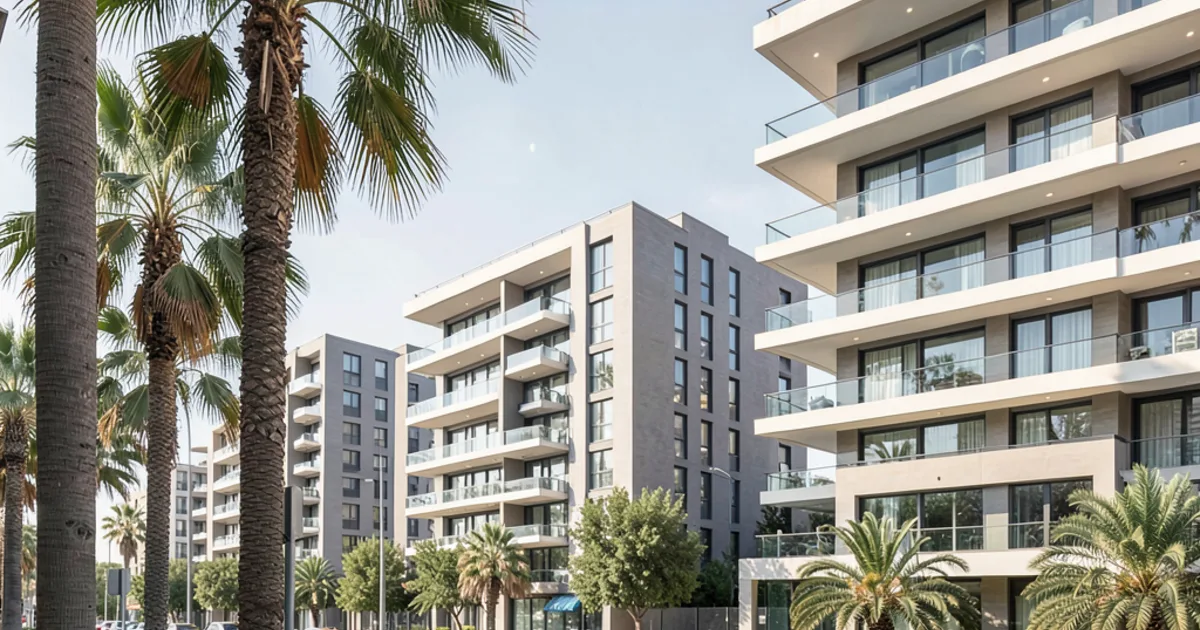
Acquiring real estate in a vibrant and dynamic market like Tel Aviv presents a compelling investment opportunity for international buyers. However, navigating the intricate landscape of Israeli tax regulations, particularly 'Mas Rekhisha' (purchase tax), becomes significantly more complex when a non-resident seeks to purchase a second plot of land. This comprehensive guide aims to demystify the specific implications of purchase tax for foreign investors looking to expand their property portfolio in Tel Aviv, providing a clear roadmap for understanding their obligations and optimizing their investment strategy.
- Defining 'Non-Resident' and 'Second Plot' in the Israeli Context
- Understanding Mas Rekhisha: The Basics for Non-Resident Investors
- The Specifics of Mas Rekhisha for a Second Plot in Tel Aviv
- Distinguishing Between Residential Plots and Undeveloped Land
- Strategic Considerations for Non-Resident Investors in Tel Aviv
- The Impact of Property Value on Mas Rekhisha Calculation
- Navigating the Legal and Bureaucratic Landscape: Tabu and Beyond
- Potential Reliefs and Exemptions: Are There Any for Non-Residents?
- The Importance of Professional Guidance: Lawyers and Tax Advisors
- Holding Costs and Future Tax Implications for a Tel Aviv Plot
- Summary of Key Takeaways for Your Tel Aviv Investment
Defining 'Non-Resident' and 'Second Plot' in the Israeli Context
Before delving into tax specifics, it's crucial to establish a clear understanding of what constitutes a 'non-resident' and a 'second plot' from the perspective of Israeli tax authorities. A non-resident, generally speaking, is an individual whose center of life is not in Israel and who does not meet the criteria for Israeli tax residency, which often involves a cumulative presence test over a period. This distinction is paramount as it directly impacts the applicable tax rates and potential exemptions.
The concept of a 'second plot' refers to the acquisition of an additional piece of land by an individual who already owns real estate in Israel. This could be another residential unit, a commercial property, or indeed, a vacant plot intended for future development. The Israeli tax system often differentiates between a primary residence and subsequent property acquisitions, with varying tax treatments applied accordingly.
For non-residents, the ownership of property outside Israel typically does not influence their Israeli tax residency status, but their existing property portfolio within Israel is highly relevant. Even if the first property was acquired years ago, its existence triggers the 'second plot' classification for any subsequent purchase within Israel. Understanding these foundational definitions is the first step in accurately assessing your Mas Rekhisha obligations.
It's also important to note that the definition of 'plot' can sometimes be nuanced, particularly when considering land with existing structures versus undeveloped land. However, for the purposes of Mas Rekhisha on a 'second plot,' the primary focus is on the fact that an additional piece of real estate is being acquired by an individual who already holds property in Israel.
Understanding Mas Rekhisha: The Basics for Non-Resident Investors
Mas Rekhisha, or purchase tax, is a fundamental component of real estate transactions in Israel, levied on the buyer at the time of property acquisition. For non-residents, the rates and regulations can differ significantly from those applicable to Israeli citizens or residents. This tax is calculated as a percentage of the property's purchase price and is a non-negotiable part of the acquisition process, paid to the Israel Tax Authority.
The general principle behind Mas Rekhisha is to generate revenue from property transfers and, in some cases, to influence market behavior. For non-residents, the rates are often structured to reflect the government's policy towards foreign investment in the real estate sector. Therefore, it's not simply a flat fee but a progressive tax, where higher property values generally attract higher percentage rates.
It's crucial for non-resident investors to factor Mas Rekhisha into their overall budget from the outset, as it represents a substantial upfront cost. This tax is typically due within a relatively short period after the signing of the binding memorandum ('Zichron Devarim') or the formal purchase agreement, underscoring the need for meticulous financial planning. Failure to pay on time can result in penalties and interest.
Unlike some other taxes, Mas Rekhisha is generally not deductible against future capital gains tax (Mas Shevah) when the property is eventually sold. This further emphasizes its significance as a direct cost of acquisition. Consulting with an Israeli tax attorney or accountant well before making an offer is highly recommended to obtain precise estimations based on your specific circumstances and the property's value.
The Specifics of Mas Rekhisha for a Second Plot in Tel Aviv
When a non-resident acquires a second plot of land in Tel Aviv, the Mas Rekhisha rates are typically at the higher end of the spectrum compared to a first-time purchase or a purchase by an Israeli resident. The Israeli tax authorities view this acquisition differently, often applying a higher, non-progressive rate from the first shekel of the purchase price, designed to discourage speculative buying or to ensure a higher contribution from multiple property owners.
These higher rates are not arbitrary; they reflect a policy decision to prioritize housing for residents and to ensure that foreign investment contributes meaningfully to the state's coffers. Therefore, the 'second plot' classification for a non-resident investor triggers a specific and often more stringent tax bracket. It's imperative not to assume that the rates for a first-time Israeli buyer would apply.
The exact percentage will depend on the prevailing tax laws at the time of purchase, which can be subject to legislative changes. However, generally, it's understood that a non-resident purchasing a second property faces a higher flat percentage across the entire value of the property, rather than a tiered, progressive structure that might be available under certain conditions for a single residential property for an Israeli resident. This means a significant portion of the purchase price will be allocated to this tax.
Furthermore, the location within Tel Aviv does not typically alter the Mas Rekhisha rate itself, as it's a national tax. However, the inherent value of land in Tel Aviv is considerably higher than in many other parts of Israel, meaning the absolute monetary value of the Mas Rekhisha will naturally be greater due to the higher base price. Investors must account for this substantial financial outlay upfront.
Distinguishing Between Residential Plots and Undeveloped Land
The type of 'plot' being acquired can sometimes introduce nuances into the Mas Rekhisha calculation, though for a non-resident acquiring a second property, the overarching higher rates generally apply. If the 'second plot' is explicitly designated for residential construction, meaning it's zoned for building a home, the tax implications are usually straightforward, albeit at the elevated non-resident, second-property rates.
However, if the plot is undeveloped land, zoned for commercial use, agricultural purposes, or has complex development restrictions, the exact categorization for Mas Rekhisha might require specific legal interpretation. While the general principle of 'second property, non-resident' still holds, the precise valuation for tax purposes can sometimes be influenced by its current zoning and potential use. An expert legal opinion is crucial here.
For instance, a plot with an existing dilapidated structure might be treated differently than a truly barren piece of land, especially if the intention is to demolish and rebuild. The tax authority evaluates the 'economic substance' of the transaction. If the plot is clearly intended for future residential development, even if currently vacant, it will likely fall under the residential property acquisition rules for tax purposes.
It's also worth noting that the purchase of a plot that is part of a larger planned development, where the buyer is essentially acquiring a share in a future project, might have slightly different payment schedules or assessment methods for Mas Rekhisha. Regardless, the non-resident, second-property status will remain the primary determinant of the applicable tax bracket.
Strategic Considerations for Non-Resident Investors in Tel Aviv
Beyond the immediate tax burden, non-resident investors acquiring a second plot in Tel Aviv need to consider several strategic factors. The high cost of Mas Rekhisha necessitates a larger capital outlay upfront, which can impact the overall return on investment. Therefore, a thorough financial analysis, including projected development costs, holding costs (like Arnona municipal tax), and potential future capital gains tax (Mas Shevah), is essential.
One key consideration is the intended use of the plot. Is it for building a dream home, developing multiple units, or holding as a long-term investment? Each scenario carries different financial implications and timelines. For development, securing a Mashkanta (mortgage) from an Israeli bank as a non-resident can be challenging, often requiring a higher equity contribution and comprehensive financial documentation.
Another strategic point involves understanding market cycles and the long-term growth potential of Tel Aviv real estate. While historically robust, real estate markets can fluctuate. Investors should align their purchase with their long-term objectives, whether it's capital appreciation, rental yield (if developed), or personal use. The significant transaction costs mean that short-term speculation is often less viable.
Finally, engagement with local professionals is non-negotiable. This includes a reputable Israeli real estate attorney specializing in foreign investments, a tax advisor, and potentially a local real estate agent who understands the nuances of Tel Aviv's land market. Their expertise can help navigate legal complexities, optimize tax planning, and identify suitable opportunities.
The Impact of Property Value on Mas Rekhisha Calculation
The purchase price of the second plot in Tel Aviv directly dictates the absolute monetary amount of Mas Rekhisha. As mentioned, for a non-resident acquiring a second property, the tax rate is typically a higher, flat percentage across the entire transaction value, rather than a tiered system. This means that a more expensive plot will incur a proportionally higher tax bill.
It's critical that the declared purchase price in the binding memorandum and subsequent contract accurately reflects the true market value. Under-declaring the price to reduce Mas Rekhisha is illegal and can lead to severe penalties, including fines and criminal charges. The Israel Tax Authority has sophisticated mechanisms to assess property values and will scrutinize transactions, especially those involving foreign buyers.
The valuation for tax purposes is typically based on the agreed-upon price between the buyer and seller. However, if the tax authority deems the price to be significantly below market value, they have the right to challenge it and reassess the tax based on what they determine to be the fair market value. This can lead to unexpected additional tax liabilities.
Therefore, obtaining an independent appraisal of the plot's value can be a prudent step, both for negotiation purposes and to provide justification to the tax authorities if questions arise. Transparency and accuracy in reporting the purchase price are paramount to avoid future complications and ensure a smooth transaction process.
Navigating the Legal and Bureaucratic Landscape: Tabu and Beyond
The acquisition of any land in Israel, including a second plot in Tel Aviv, culminates in registration with the Tabu (Israel Land Registry). This is the official government body responsible for recording all land ownership and property rights. Without proper registration in the Tabu, legal ownership is not fully transferred, and the property cannot be freely bought, sold, or mortgaged.
The process involves several stages: signing a binding memorandum (Zichron Devarim, though often skipped for a full contract), a detailed purchase agreement, payment of Mas Rekhisha, and then submitting all necessary documentation to the Tabu. A qualified Israeli real estate lawyer is indispensable during this entire process, ensuring all legal requirements are met and the buyer's interests are protected.
Beyond Tabu registration, non-residents must also contend with other bureaucratic requirements. This includes obtaining a tax file number, potentially navigating currency exchange regulations, and ensuring compliance with anti-money laundering laws. The legal framework is designed to be robust, and adherence to every step is crucial to avoid delays or legal disputes.
For non-residents, communication can sometimes be a barrier. Engaging with professionals who are fluent in English and experienced with international clients is highly recommended. Utilizing services like an Ulpan (Hebrew language school) can help with daily life but legal and tax matters demand expert interpretation and representation.
Potential Reliefs and Exemptions: Are There Any for Non-Residents?
While the general rule for non-residents purchasing a second plot is higher Mas Rekhisha, it is important to investigate whether any specific reliefs or exemptions might apply, even if they are rare in this particular scenario. The Israeli tax code is complex and can be subject to amendments, and certain unique situations might warrant a different approach.
However, for a non-resident acquiring a second property, the likelihood of significant Mas Rekhisha exemptions is considerably low. Most exemptions are typically reserved for Israeli residents purchasing their sole residential property, or for specific social programs. The policy intent is generally not to provide tax breaks for foreign investors acquiring multiple properties.
One area that might be worth exploring with a tax expert is if the 'plot' is not strictly considered a 'residential unit' or if its classification falls into a unique category that attracts a different tax treatment. For instance, certain specific types of commercial or industrial land might have varying rates, but this is highly contextual and not a general exemption for residential plots.
It's also important to distinguish between Mas Rekhisha and other taxes. While Mas Rekhisha on a second property is high, there might be other tax planning strategies for future Mas Shevah (capital gains tax) or rental income, which a tax advisor can help optimize. However, for the purchase tax itself, expectations for significant relief should be managed prudently.
The Importance of Professional Guidance: Lawyers and Tax Advisors
The complexity of Israeli real estate law, combined with the specific tax implications for non-residents and multiple property acquisitions, makes professional guidance indispensable. An experienced Israeli real estate attorney will not only handle the legal aspects of the transaction, such as drafting and reviewing contracts and managing Tabu registration, but also provide crucial advice on the legal ramifications of your investment.
A specialized tax advisor, ideally one with expertise in international taxation and Israeli real estate, is equally vital. They can accurately calculate your Mas Rekhisha liability, advise on payment procedures, and help structure the acquisition in the most tax-efficient manner possible within the confines of the law. They can also provide foresight into future tax obligations, such as Mas Shevah upon sale or income tax on potential rental earnings if the plot is developed.
These professionals act as your advocates, ensuring compliance with all Israeli laws and regulations, protecting your financial interests, and streamlining a process that can otherwise be daunting. Their knowledge of local practices, common pitfalls, and potential legislative changes is invaluable for any foreign investor.
Attempting to navigate this process without expert assistance can lead to costly errors, legal disputes, and unexpected tax burdens. The fees for such professional services are a necessary investment that safeguards your much larger property investment in Tel Aviv. Choose advisors with a proven track record of working with non-resident clients.
Holding Costs and Future Tax Implications for a Tel Aviv Plot
Beyond the initial Mas Rekhisha, non-resident owners of a second plot in Tel Aviv must consider ongoing holding costs and future tax implications. The primary ongoing cost is Arnona, the municipal property tax, which is levied by the Tel Aviv municipality. This tax is calculated based on the property's size, location, and sometimes its intended use (residential vs. commercial).
Even if the plot is undeveloped, Arnona will still be due, albeit potentially at a different rate than a developed residential property. It's an annual expense that cannot be overlooked and accrues whether the property is generating income or not. Ensuring timely payment of Arnona is crucial to avoid penalties and potential liens on the property.
Looking to the future, when the plot is eventually sold, the non-resident owner will be subject to Mas Shevah, or capital gains tax. This tax is levied on the profit generated from the sale, calculated as the difference between the sale price and the adjusted purchase price (which includes acquisition costs, certain improvement expenses, but generally not Mas Rekhisha).
The capital gains tax rate for non-residents can be significant, and there are fewer exemptions available compared to Israeli residents. Therefore, developing a long-term tax strategy with a professional advisor from the outset is prudent. This includes considering the timing of the sale, potential for offsetting certain expenses, and understanding any bilateral tax treaties that might exist between Israel and the investor's country of residence.
Summary of Key Takeaways for Your Tel Aviv Investment
Investing in a second plot in Tel Aviv as a non-resident is an exciting prospect, but it comes with distinct financial and legal considerations, primarily concerning Mas Rekhisha. The key takeaway is that non-residents acquiring a second property face significantly higher purchase tax rates compared to Israeli residents or first-time buyers.
The classification of 'non-resident' and 'second plot' is critical and directly leads to a higher, often flat-rate Mas Rekhisha across the entire purchase price. This necessitates robust financial planning and a clear understanding of the substantial upfront capital required. The specific nature of the plot (residential, undeveloped, etc.) generally does not alter this fundamental tax obligation for a non-resident's second acquisition.
Navigating the Israeli legal system, including Tabu registration and adherence to all bureaucratic requirements, demands expert legal and tax counsel. These professionals are not just facilitators but indispensable advisors who protect your interests, ensure compliance, and help optimize your investment strategy within the complex Israeli framework.
Finally, beyond the initial purchase tax, investors must factor in ongoing holding costs like Arnona and prepare for future capital gains tax (Mas Shevah) upon eventual sale. A comprehensive, long-term perspective, supported by expert advice, is the cornerstone of a successful and compliant real estate investment in Tel Aviv for a non-resident acquiring a second plot.
FAQ
What is the typical timeframe for paying Mas Rekhisha after signing a purchase agreement?
Mas Rekhisha is generally due within a short period, often around 50-60 days, after the signing of the formal purchase agreement. It's crucial to confirm the exact deadline with your Israeli legal counsel to avoid penalties.
Can I get a mortgage (Mashkanta) from an Israeli bank as a non-resident for a second plot in Tel Aviv?
Obtaining a Mashkanta as a non-resident is possible but often requires a higher down payment compared to residents and extensive documentation. Banks will assess your financial stability and the property's value carefully.
Does the size or location within Tel Aviv affect the Mas Rekhisha rate for a non-resident's second plot?
While the size and location impact the property's overall value, which in turn increases the monetary amount of Mas Rekhisha, the percentage rate applied to a non-resident's second plot is generally a national, higher flat rate, not varied by Tel Aviv neighborhood.
If I eventually build a home on the plot, will this change my tax status or future Mas Shevah?
Building a home on the plot will change its classification from 'undeveloped land' to 'residential property,' affecting future Arnona rates and potentially the calculation of Mas Shevah upon sale. However, your initial Mas Rekhisha as a non-resident buying a second plot remains unaffected.
Get your personalised shortlist
Listings and up-to-date info, straight to your inbox, free, no obligation.
See land for sale →