What are the current property tax (Arnona) rates for undeveloped agricultural land versus designated residential plots in the Galilee?
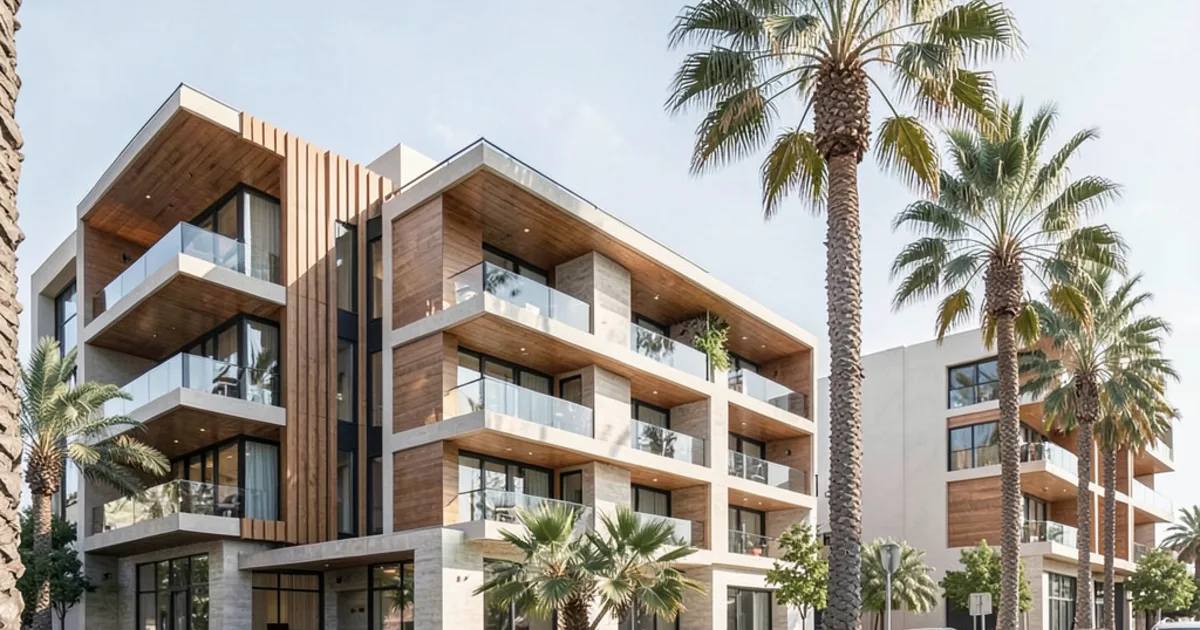
For those eyeing investment or development opportunities in Israel, particularly within the picturesque Galilee, understanding the intricacies of property tax, known locally as Arnona, is paramount. The distinction in Arnona rates between undeveloped agricultural land and designated residential plots is not merely a bureaucratic detail; it carries significant financial implications for landowners, developers, and prospective homeowners. This comprehensive guide, brought to you by LandIsrael, aims to demystify these differences, offering expert insights into the various factors that influence these crucial municipal taxes, and providing actionable advice for navigating this unique real estate environment.
- Understanding Arnona: The Cornerstone of Israeli Property Taxation
- Defining 'Undeveloped Agricultural Land' in the Israeli Context
- Defining 'Designated Residential Plots' and Their Implications
- Arnona Rate Differences: Agricultural vs. Residential Plots in the Galilee
- Factors Influencing Arnona Rates in the Galilee Region
- The Re-Zoning Conundrum: Agricultural to Residential
- Other Taxes and Fees to Consider When Buying Land in the Galilee
- Practical Advice for Land Investors and Developers in the Galilee
- Navigating the Israel Land Authority (ILA) and Leasehold Properties
- Holding vs. Developing: Strategic Considerations for Galilee Land
- The Future Outlook: Land Use and Taxation in the Galilee
Understanding Arnona: The Cornerstone of Israeli Property Taxation
Arnona is the municipal property tax levied by local authorities in Israel, a critical revenue stream that funds essential public services such as education, sanitation, infrastructure maintenance, and cultural activities. Unlike a national property tax, Arnona rates are determined by each municipality or regional council, leading to significant variations across different areas, even within the same geographical region like the Galilee. This localized control means that a plot of land in one Galilee community might incur a different Arnona obligation than an identical plot just a few kilometers away, depending on the specific municipal bylaws.
The calculation of Arnona is not straightforward; it typically involves a base rate per square meter (or dunam for larger agricultural plots), multiplied by the property's size and often adjusted by various coefficients based on the property's classification and usage. For instance, a commercial property will almost invariably face a higher Arnona rate per square meter than a residential one. The tax is generally paid annually, though many municipalities offer options for quarterly or even monthly payments, allowing landowners to manage their cash flow more effectively.
It's crucial for any potential land purchaser or developer to factor Arnona into their overall financial planning, as it represents an ongoing expense regardless of whether the land is actively developed or remains idle. Failure to pay Arnona can lead to significant penalties, including interest charges and even legal action by the municipality. Therefore, a thorough understanding of the applicable rates and payment obligations is a foundational step in any successful land acquisition strategy in Israel.
Beyond the basic rate, municipalities may also apply special levies or surcharges for specific projects or services, which can further impact the total Arnona bill. These additional charges are usually transparently communicated by the local authority, but require diligent investigation during the due diligence phase. Prospective buyers should always request a current Arnona statement (or 'Heshevon Arnona') from the seller or directly from the local council to ascertain the exact liabilities.
Defining 'Undeveloped Agricultural Land' in the Israeli Context
Undeveloped agricultural land in Israel refers to parcels primarily designated for farming, cultivation, or other agricultural purposes, often located outside of established urban or residential zones. These lands are typically characterized by their open nature, lack of permanent structures (beyond perhaps small utility sheds or irrigation systems), and their primary use in food production or animal husbandry. The classification as 'agricultural' is a key determinant for Arnona rates, which are often considerably lower than those for residential or commercial properties.
The legal status of such land is usually recorded in the Tabu (Israel Land Registry), where its designation and ownership are formally recognized. While some agricultural lands might have long-term potential for re-zoning into residential or commercial uses, their current classification dictates the immediate tax burden. This re-zoning potential, while exciting, is a complex and lengthy process, often involving national and regional planning committees, and is not a guarantee.
For investors looking to hold land for future development, undeveloped agricultural parcels can present an attractive, lower-cost entry point. However, it's vital to understand that while the Arnona might be lower, the land is also subject to restrictions on building and usage. Any attempt to build a residential structure on land zoned purely for agriculture without prior re-zoning and obtaining the necessary permits would be illegal and subject to severe penalties, including demolition orders and substantial fines.
The definition can also encompass land within a moshav or kibbutz, where the land is often leased from the Israel Land Authority (ILA) for agricultural purposes. In such cases, the Arnona calculations can be further complicated by the leasehold agreement terms. Due diligence must extend to understanding not only the municipal classification but also any overarching land administration agreements that might affect usage and taxation.
Defining 'Designated Residential Plots' and Their Implications
Designated residential plots, conversely, are parcels of land officially zoned and approved for the construction of homes, apartments, or other residential dwellings. These plots are typically found within or adjacent to existing settlements, towns, or cities, and are connected to (or have readily available access to) essential infrastructure like water, electricity, sewage, and roads. The classification as 'residential' immediately signals a different Arnona structure, generally reflecting the higher value and intensity of use associated with housing.
The zoning of these plots is clearly stipulated in the local municipality's master plan (תכנית מתאר) and detailed plans (תכניות בניין עיר, תב"ע), which outline permitted building heights, density, setbacks, and other architectural guidelines. Owners of designated residential plots have the right to apply for building permits, subject to adherence to these plans and obtaining all necessary approvals. This 'buildability' is a primary driver of their market value and, consequently, their Arnona rates.
Even if a residential plot remains undeveloped, meaning no house has been built on it yet, it will still be subject to Arnona. The municipality taxes the potential use of the land, not just its current physical state. The rate for an undeveloped residential plot is usually lower than that for a plot with a completed house, but still significantly higher than for agricultural land. This distinction incentivizes development and discourages speculative holding of prime residential land without contributing to the housing supply.
For individuals looking to build a home, acquiring a designated residential plot is the direct path. While the initial investment and ongoing Arnona might be higher than for agricultural land, the certainty of being able to develop and the shorter timeline to construction make it a preferred option. Understanding the specific zoning regulations, including potential building envelopes and restrictions, is crucial before committing to purchase.
Arnona Rate Differences: Agricultural vs. Residential Plots in the Galilee
The core difference in Arnona rates between undeveloped agricultural land and designated residential plots in the Galilee is substantial, reflecting the land's perceived utility, market value, and the municipal services it is expected to consume or benefit from. Agricultural land, by its nature, generates less municipal service demand (e.g., fewer school-aged children, less waste generation) and is typically valued lower per square meter than land earmarked for housing. Consequently, its Arnona rate per dunam (1,000 square meters) or square meter is significantly lower.
For undeveloped agricultural land, the Arnona rate is often calculated at a relatively modest rate per dunam or a very low rate per square meter, reflecting its primary function as open space or productive farm land. These rates are designed to not unduly burden farmers or landholders who may be holding large tracts of land for agricultural purposes. The specific rate can vary based on the type of agriculture (e.g., field crops versus orchards) and the regional council's policies, but it remains at the lower end of the Arnona spectrum.
In stark contrast, designated residential plots, even if undeveloped, typically incur Arnona rates that are orders of magnitude higher per square meter. This elevated rate reflects the land's potential for high-value development and its proximity to urban infrastructure and services. Municipalities anticipate that residential development will eventually lead to increased demand for schools, roads, public parks, and waste collection, and the Arnona rates are structured to contribute to funding these future needs.
It's not uncommon for an undeveloped residential plot to carry an Arnona burden that, while lower than a built-up property, could still be several times higher than an equivalent area of agricultural land. This disparity is a key financial consideration for investors. Those holding agricultural land for speculative future re-zoning benefit from lower carrying costs in the interim, but face the uncertainty and lengthy process of re-zoning. Those acquiring residential plots pay higher holding costs but gain the certainty of immediate development potential.
Factors Influencing Arnona Rates in the Galilee Region
Several critical factors beyond mere classification influence the specific Arnona rates applied by Galilee municipalities and regional councils. The precise location within the Galilee is paramount; a plot in a highly sought-after community like Rosh Pina or Safed, with robust infrastructure and tourism, will likely face different rates than a plot in a more rural or developing area. The socio-economic standing of the locality also plays a role, as municipalities in wealthier areas may have more leeway in setting higher rates to fund a broader range of services.
The specific municipal bylaws and local master plans are another significant determinant. Each local authority has the autonomy to set its own Arnona tariffs, within guidelines provided by the Ministry of Interior. These bylaws are regularly reviewed and sometimes adjusted, making it imperative to consult the most current regulations for any given locale. Changes in municipal leadership or strategic priorities can also lead to shifts in Arnona policy.
Furthermore, the presence or absence of infrastructure directly impacts rates. A residential plot with immediate access to paved roads, sewage, electricity, and water will generally incur a higher Arnona rate than a similar plot lacking these amenities, even if both are zoned residential. The municipality assesses the value of the services provided or readily available to the property. This is particularly relevant in the Galilee, where infrastructure development can vary significantly between communities.
Finally, the size of the plot itself can sometimes influence the per-square-meter rate, with larger parcels occasionally receiving slightly different tariffs, though this is less common for standard residential lots. For agricultural land, the scale of operation and specific agricultural use might also be considered by some regional councils. It is always recommended to obtain precise figures directly from the relevant local authority for the specific plot in question.
The Re-Zoning Conundrum: Agricultural to Residential
The prospect of purchasing undeveloped agricultural land with the hope of eventually re-zoning it for residential use is a common investment strategy in Israel, especially in regions like the Galilee where land is still relatively abundant. However, this process, often referred to as 'שינוי ייעוד' (shinui yi'ud), is a complex, lengthy, and often uncertain endeavor. It involves multiple layers of planning committees at local, district, and sometimes national levels.
The first step typically involves the local municipality or regional council initiating or approving a master plan amendment or a new detailed plan (תב"ע) that changes the land's designation. This process requires extensive studies, environmental impact assessments, infrastructure planning, and public hearings. It can take many years, often a decade or more, and there is no guarantee of approval. Opposition from environmental groups, existing residents, or even other government agencies can derail the process.
Should re-zoning be approved, the land's value will typically skyrocket, but so will its Arnona rates, shifting from agricultural tariffs to significantly higher residential ones. Furthermore, the landowner will likely be subject to betterment levies (היטלי השבחה), a tax on the increase in land value due to planning approval. This levy can be substantial, often representing a significant percentage of the value increase, and must be factored into any financial projections.
For investors, holding agricultural land with a re-zoning strategy means balancing lower holding costs (Arnona) in the short term against the long-term uncertainty and capital commitment required for the re-zoning process and subsequent betterment levies. It requires patience, significant capital, and a deep understanding of Israel's intricate planning and zoning laws. Expert legal and planning consultation is absolutely essential before embarking on such a venture.
Other Taxes and Fees to Consider When Buying Land in the Galilee
Beyond Arnona, acquiring land in the Galilee (or anywhere in Israel) involves several other significant taxes and fees that purchasers must account for. The most prominent is Mas Rekhisha (Purchase Tax), which is levied on the acquisition of real estate. The rate of Mas Rekhisha varies based on the buyer's status (e.g., first-time homeowner, investor) and the property's value. For investment properties or second homes, the tax can be substantial, often rising with the property's purchase price.
Another crucial consideration for sellers is Mas Shevah (Capital Gains Tax), which is applied to the profit made from selling real estate. This tax can significantly impact the net proceeds from a sale, especially if the land has appreciated considerably over time. There are certain exemptions and reductions, but understanding the potential liability is vital for any long-term investment strategy. Buyers should also be aware that Mas Shevah is a seller's tax, but its potential impact can indirectly influence pricing strategies.
Additionally, transaction fees are incurred during the purchase process. These include legal fees for the attorney handling the transaction, registration fees at the Tabu (Israel Land Registry), and potentially real estate agent commissions. While not taxes, these costs add to the overall acquisition expense and should be budgeted for meticulously. The binding memorandum (זיכרון דברים) or preliminary contract often outlines who is responsible for which fees.
Finally, for those planning to develop, various development levies (היטלי פיתוח) and connection fees (אגרות חיבור) will be imposed by the local municipality and utility companies for connecting to water, sewage, electricity, and telecommunications infrastructure. These can amount to considerable sums and are typically paid during the construction phase. A comprehensive financial plan must project these costs accurately.
Practical Advice for Land Investors and Developers in the Galilee
For anyone considering investing in or developing land in the Galilee, thorough due diligence is paramount. This extends beyond merely checking the Tabu records to verify ownership. It involves obtaining a current Arnona bill from the local council, reviewing the municipal master plan and detailed zoning plans for the specific plot, and understanding any existing or proposed infrastructure projects in the area. Consulting with local planning departments can yield invaluable insights into future development potential and restrictions.
Engaging expert local professionals is not just recommended, it's essential. This includes a proficient Israeli real estate attorney specializing in land transactions, a certified land appraiser (שמאי מקרקעין) to assess market value and potential betterment levies, and if development is intended, an architect or planner familiar with Galilee-specific regulations. These professionals can navigate the complexities of Israeli land law, taxation, and planning committees, saving significant time and preventing costly errors.
Consider your investment horizon and risk tolerance. If you are seeking a long-term hold with the potential for significant appreciation through re-zoning, agricultural land might offer a lower entry point and holding cost, but comes with higher risk and a longer timeline. If your goal is to build a home or develop residential units in the near future, a designated residential plot, despite higher initial costs and Arnona, provides greater certainty and a shorter path to realization.
Finally, understand the local dynamics of the Galilee. Each community has its own character, demographic trends, and development priorities. Visiting the area, speaking with local residents, and observing market activity can provide qualitative insights that complement the legal and financial analysis. Land in a growing, well-serviced community will likely present different opportunities and challenges than land in a more remote or isolated locale.
Navigating the Israel Land Authority (ILA) and Leasehold Properties
A significant portion of land in Israel, especially agricultural land, is owned by the state and administered by the Israel Land Authority (ILA, רשות מקרקעי ישראל). Rather than outright ownership (Tabu), many properties, particularly those within kibbutzim, moshavim, or designated agricultural zones, are held under long-term leasehold agreements. This distinction is crucial as it impacts not only the acquisition process but also ongoing fees and potential for development.
When purchasing a leasehold property, you are essentially acquiring the right to use the land for a specified period (often 49 or 98 years), subject to the terms and conditions set by the ILA. This typically involves paying an annual lease fee (דמי חכירה) in addition to municipal Arnona. The ILA also has specific regulations regarding changes in land use, construction, and transfers of leasehold rights, which can add layers of complexity to any development plans. Converting a leasehold to freehold (ownership) can be possible in some cases but involves significant fees and processes.
For agricultural land, ILA leases often restrict the land's use to agricultural activities. Any attempt to re-zone or develop such land for residential purposes would require extensive negotiations and approvals from the ILA, which can be even more challenging than re-zoning privately owned land. The ILA's policy is to protect agricultural land, and approvals for conversion are granted sparingly and often under specific national planning directives.
Thorough due diligence for ILA-leased properties must include a detailed review of the lease agreement, understanding the remaining lease term, the annual lease fees, and any restrictions on development or transfer. An attorney experienced in ILA transactions is indispensable in this context. The complexities of ILA land administration are a unique feature of the Israeli real estate market, particularly relevant for large land parcels in regions like the Galilee.
Holding vs. Developing: Strategic Considerations for Galilee Land
The decision to hold undeveloped land for long-term appreciation versus developing it immediately involves distinct strategic considerations, particularly in the Galilee. Holding agricultural land can be a strategy to benefit from potential future re-zoning, capitalizing on urban expansion or government-led development initiatives. The lower Arnona rates for agricultural land mean lower annual carrying costs, making it a more feasible long-term hold option for some investors.
However, holding land comes with its own set of risks. The re-zoning process is uncertain and can take decades, during which time capital is tied up without generating income. Market conditions can change, and future development potential might not materialize as anticipated. Furthermore, even with lower Arnona, accumulated property taxes over many years can become a significant expense. The opportunity cost of not investing in income-generating assets must also be considered.
Developing a designated residential plot, on the other hand, offers a more immediate path to value creation and potential income generation (through sales or rentals). While the initial Arnona and acquisition costs are higher, the certainty of being able to build significantly reduces planning risk. Development also allows for active management of the asset, potentially yielding quicker returns, albeit with the complexities and costs associated with construction.
The choice between holding and developing hinges on an investor's financial capacity, risk appetite, and strategic objectives. For those with deep pockets and a long-term vision, holding agricultural land in strategic Galilee locations might offer substantial future upside. For those seeking more immediate returns and a clearer path to development, designated residential plots, despite higher short-term costs, present a more direct and less uncertain investment route. A balanced portfolio might even include both types of assets.
The Future Outlook: Land Use and Taxation in the Galilee
The Galilee region is undergoing significant demographic and economic shifts, driven by government initiatives to decentralize population, promote tourism, and foster high-tech industries. These trends will undoubtedly influence land use planning and, consequently, Arnona rates in the coming years. Increased demand for housing and commercial spaces in certain Galilee communities could lead to more re-zoning of agricultural land, driving up land values and Arnona liabilities.
Government investment in infrastructure, such as new roads, railway lines, and public facilities, will also play a crucial role. Areas benefiting from enhanced connectivity and services are likely to see accelerated development and higher property valuations. Municipalities will adjust Arnona rates to reflect these improvements and the increased service demands that accompany growth. Staying informed about national and regional development plans is key for anticipating these changes.
Environmental considerations are also gaining prominence in Israeli planning. The protection of open spaces, natural reserves, and agricultural land is a stated goal, which could make re-zoning agricultural land even more challenging in some areas. This push-and-pull between development needs and environmental preservation will shape the future landscape of land use and taxation in the Galilee.
For landowners and prospective investors, this dynamic environment underscores the importance of continuous monitoring of planning policies, municipal bylaws, and market trends. The Galilee, with its unique blend of rural charm and emerging urban centers, offers diverse opportunities, but navigating its future real estate landscape will require foresight, adaptability, and expert guidance. LandIsrael remains committed to providing the most current and relevant insights to support your real estate ventures in this beautiful and evolving region.
FAQ
Can I build a small structure on agricultural land in the Galilee for personal use?
Generally, building any permanent structure on land zoned purely for agriculture without proper permits is illegal. Even small structures like sheds must comply with local planning regulations. Attempting to bypass these rules can lead to demolition orders and severe fines.
How often do Arnona rates change in Galilee municipalities?
Arnona rates are typically reviewed and adjusted annually by local municipalities, often in line with national guidelines. However, significant changes in classification or method of calculation are less frequent but can occur following major planning updates or municipal policy shifts. Always check the current year's rates.
Is it possible to appeal an Arnona assessment if I believe it's too high?
Yes, landowners have the right to appeal an Arnona assessment. The process typically involves submitting a formal objection to the local municipality within a specific timeframe (usually 30-45 days from receiving the assessment). It is advisable to consult with a lawyer or property tax expert before filing an appeal.
What is the difference between Arnona and Mas Rekhisha?
Arnona is an annual municipal property tax levied for ongoing services, similar to council tax. Mas Rekhisha (Purchase Tax) is a one-time national tax paid to the government at the time of purchasing real estate in Israel, based on the property's value and the buyer's status.
Get your personalised shortlist
Listings and up-to-date info, straight to your inbox, free, no obligation.
See land for sale →