What are the current average prices per square meter for undeveloped residential land in Givat Shmuel and its surrounding areas?
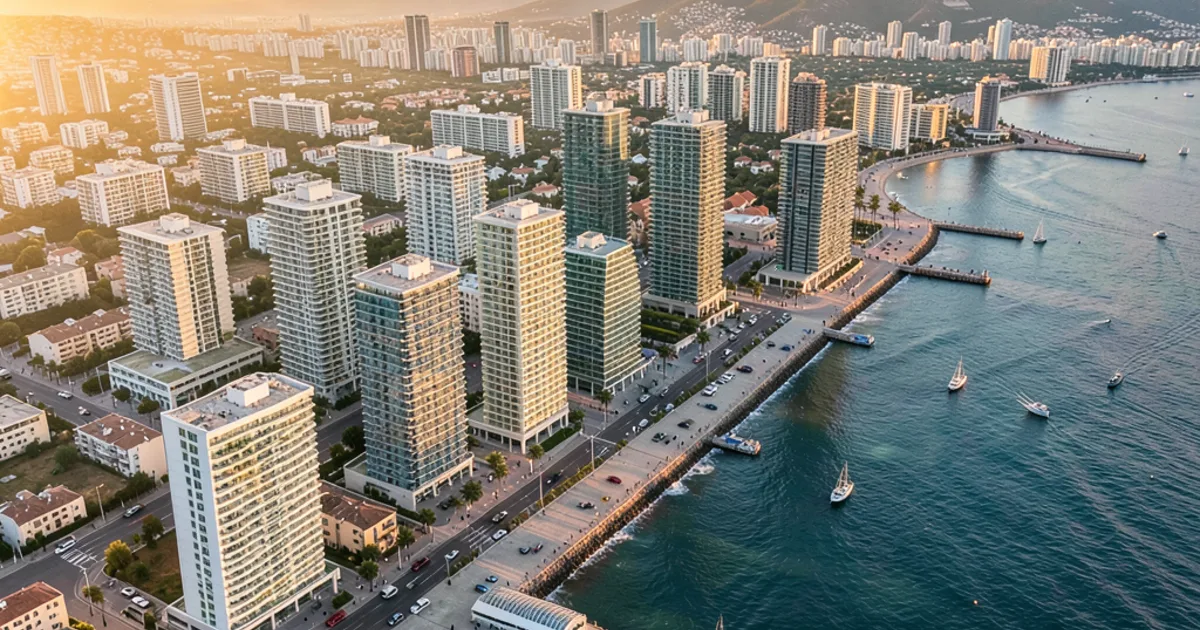
Givat Shmuel, a vibrant and rapidly developing city in the Gush Dan region, has become an increasingly attractive location for residential development and land investment. For those contemplating building a dream home, developing properties, or strategically holding land for future appreciation, understanding the current market dynamics for undeveloped residential plots is crucial. This in-depth article from LandIsrael aims to provide a comprehensive overview of the factors influencing land prices in Givat Shmuel, guiding potential buyers and investors through the complexities of this unique real estate market.
- What Defines 'Undeveloped Residential Land' in the Israeli Context?
- Key Factors Influencing Undeveloped Land Prices in Givat Shmuel
- Understanding Price Ranges: A Prudent Approach for Givat Shmuel
- Comparing Givat Shmuel with Neighboring Areas: A Strategic Perspective
- The Development Process: From Purchase to Construction
- Legal and Financial Considerations for Land Purchase
- Investment Potential: Build, Develop, or Hold
- Navigating the Market: Tips for Buyers and Investors
- The Role of Urban Planning and Future Development in Givat Shmuel
- Understanding the 'Ulpan' and Cultural Integration for Newcomers
- The Impact of Interest Rates and Economic Climate on Land Value
- Due Diligence: Essential Steps Before Purchase
What Defines 'Undeveloped Residential Land' in the Israeli Context?
In Israel, 'undeveloped residential land' typically refers to parcels of land designated for residential construction but without any existing structures. These plots are often zoned for single-family homes, duplexes, or multi-unit dwellings, depending on the specific urban plan (תב"ע - Taba) governing the area. Understanding the precise zoning and permitted building rights is paramount before any acquisition, as these factors directly dictate the land's potential and, consequently, its value.
The legal status of the land is another critical aspect. Most undeveloped residential land in Israel is registered under the Tabu (טאבו), the official land registry, which provides clear ownership and property rights. However, some parcels might be held under the Israel Land Authority (רשות מקרקעי ישראל - Rashi), requiring a different set of procedures for transfer and development. Due diligence on the land's registration status is a foundational step in any purchase.
Furthermore, 'undeveloped' does not always mean completely raw land. It can also refer to plots where initial infrastructure, such as access roads, water, and electricity lines, may or may not be readily available. The presence or absence of these essential utilities significantly impacts both the initial purchase price and the subsequent development costs, making it a key consideration for budget planning and project timelines.
Key Factors Influencing Undeveloped Land Prices in Givat Shmuel
Several interconnected factors contribute to the price fluctuations and overall value of undeveloped residential land in Givat Shmuel. Location within the city is perhaps the most dominant factor; plots closer to established amenities, educational institutions, parks, and major transportation arteries naturally command higher prices. Proximity to desirable neighborhoods and areas with a strong community feel also plays a significant role in price differentiation.
The specific zoning regulations and building rights associated with a parcel are equally critical. A plot zoned for a larger buildable area or a higher number of residential units will inherently be more valuable than a similarly sized plot with more restrictive building permits. Potential buyers must carefully review the local urban plan (Taba) to understand the maximum permissible construction, including footprint, height, and number of floors, as these directly translate into development potential.
Infrastructure availability, as mentioned previously, is another major determinant. Land that already has access to essential utilities like water, sewage, electricity, and communication lines is generally more expensive than plots requiring significant investment in infrastructure development. Topography, soil conditions, and the presence of any environmental restrictions or archaeological findings can also impact development costs and, by extension, the land's market value, necessitating thorough preliminary surveys.
Understanding Price Ranges: A Prudent Approach for Givat Shmuel
While providing exact figures is not feasible due to market fluidity and the unique characteristics of each parcel, it is possible to discuss general price ranges for undeveloped residential land in Givat Shmuel. Generally, land prices per square meter in Givat Shmuel can vary significantly, often falling within a broad spectrum. Factors such as the specific neighborhood, the size and shape of the plot, its access, and the immediate surroundings all contribute to where a particular parcel might land within this range.
In some of the more established or highly sought-after areas of Givat Shmuel, particularly those with excellent schools and convenient access to major highways, prices per square meter for undeveloped residential land tend to be at the higher end of the spectrum. These areas often benefit from strong demand and limited supply, driving up values. Conversely, plots in areas that are perhaps less central, or those with more challenging development conditions, might be found at a more moderate price point.
It is also important to consider the 'buildable area' rather than just the raw land size. A plot that is smaller in total area but allows for a substantial multi-story dwelling might command a higher price per square meter of its actual footprint than a larger plot with very restrictive building rights. Therefore, potential buyers should focus on the 'value per potential square meter of construction' rather than just the raw land area when evaluating options.
Comparing Givat Shmuel with Neighboring Areas: A Strategic Perspective
Givat Shmuel's real estate market for undeveloped land does not exist in isolation; it is intricately linked to its surrounding cities and towns in the Gush Dan region. Comparing prices and development potential with neighboring areas like Petah Tikva, Bnei Brak, Kiryat Ono, or even parts of Ramat Gan can offer valuable strategic insights. While Givat Shmuel generally holds its own as a desirable residential location, variations in pricing and availability can present alternative opportunities.
For instance, some adjacent areas might offer larger plot sizes for a comparable price, albeit perhaps with different demographic profiles or access to amenities. Conversely, certain parts of Givat Shmuel might provide a premium for their specific community feel, educational offerings, or strategic location, justifying a higher price point per square meter. The balance between price, location, and community characteristics is often a key decision-making factor for many buyers.
Investors and developers often look at the arbitrage opportunities between these areas. A plot in a slightly less developed part of Givat Shmuel, but with strong future growth potential and planned infrastructure improvements, might offer a more attractive long-term return compared to a fully mature area in a neighboring city. Understanding these regional dynamics is crucial for making informed investment decisions.
The Development Process: From Purchase to Construction
Acquiring undeveloped residential land in Givat Shmuel is merely the first step; the subsequent development process involves a series of critical stages. After the land acquisition and registration in the Tabu, the next major hurdle is obtaining building permits. This involves submitting detailed architectural plans to the local planning and building committee (ועדה מקומית לתכנון ובנייה), a process that can be complex and time-consuming, requiring expertise in local regulations.
Securing financing for construction, often through a 'Mashkanta' (mortgage) specifically tailored for construction loans, is another vital step. These mortgages are typically disbursed in stages, contingent on the progress of construction. Engaging reputable architects, engineers, and contractors is paramount to ensure the project adheres to all safety standards, building codes, and the approved plans. The quality of these professionals directly impacts the success and cost-effectiveness of the build.
Throughout the construction phase, regular inspections by municipal authorities are conducted to ensure compliance. Upon completion, an occupancy permit (טופס 4 - Tofes Arba) must be obtained before the property can be legally occupied. This entire process necessitates careful planning, diligent oversight, and a clear understanding of Israeli construction regulations and timelines.
Legal and Financial Considerations for Land Purchase
Purchasing undeveloped land in Israel involves several significant legal and financial considerations. The initial step typically involves a 'binding memorandum of understanding' (זיכרון דברים - Zichron Devarim) followed by a formal purchase agreement drafted by legal counsel. It is absolutely essential to engage an experienced Israeli real estate lawyer to conduct thorough due diligence, verify ownership, check for liens or encumbrances, and ensure the contract protects your interests.
From a financial perspective, buyers must account for 'Mas Rekhisha' (מס רכישה - purchase tax), which is a significant government levy on real estate transactions. The percentage of this tax can vary depending on whether the buyer is an Israeli resident, the value of the property, and whether it is their first or subsequent property. Additionally, legal fees, surveying costs, and potential broker commissions need to be factored into the overall budget.
Future financial considerations include 'Arnona' (ארנונה), the municipal property tax, which will apply once the land is developed, and potentially 'Mas Shevah' (מס שבח - capital gains tax) if you eventually sell the developed property for a profit. Understanding these long-term financial implications is crucial for a comprehensive investment strategy, especially for those considering holding the land for future appreciation rather than immediate development.
Investment Potential: Build, Develop, or Hold
Undeveloped residential land in Givat Shmuel presents diverse investment strategies: to build a personal home, to develop for sale, or to hold for future appreciation. Building a personal home offers the unique advantage of tailoring the property exactly to one's preferences, potentially at a lower cost than purchasing an existing, comparable home. However, it requires significant time, effort, and project management skills.
For developers, acquiring undeveloped land in Givat Shmuel offers the opportunity to capitalize on the city's strong demand for new housing. By constructing multiple units or a larger residential project, developers can potentially achieve substantial returns, provided they navigate the planning, construction, and sales processes effectively. This strategy typically involves higher capital outlay and greater risk but also holds the promise of significant profit.
Alternatively, holding undeveloped land as a long-term investment can be a viable strategy. Givat Shmuel's continued growth, coupled with limited land availability in central Israel, suggests potential for consistent appreciation over time. This approach minimizes immediate development costs and management responsibilities, though it does tie up capital and requires patience, while also incurring ongoing property taxes and other holding costs.
Navigating the Market: Tips for Buyers and Investors
For prospective buyers and investors in Givat Shmuel's undeveloped land market, a strategic approach is essential. Firstly, thorough market research is non-negotiable. This involves not only understanding current price trends but also researching future urban development plans for Givat Shmuel and the wider region. These plans can significantly impact a plot's future value and development potential, often creating opportunities in areas slated for infrastructure upgrades or new amenities.
Secondly, assembling a strong team of local professionals is crucial. This includes a reputable real estate agent specializing in land transactions, an experienced Israeli real estate lawyer, and potentially a local architect or urban planner who can assess the development potential and navigate the permit process. Their expertise can save considerable time, money, and mitigate risks, especially for those unfamiliar with the Israeli system.
Finally, maintaining a long-term perspective is often beneficial. Real estate markets, especially for undeveloped land, can experience fluctuations. A patient approach, coupled with a deep understanding of the local dynamics and future growth projections for Givat Shmuel, can lead to more favorable outcomes. Being prepared for bureaucratic processes and potential delays is also a realistic expectation when dealing with land development in Israel.
The Role of Urban Planning and Future Development in Givat Shmuel
Givat Shmuel's municipal urban master plan (תכנית מתאר) is a critical document that outlines the city's long-term development strategy, including designated areas for residential, commercial, and public use. Understanding this plan is paramount for anyone considering purchasing undeveloped land, as it provides a roadmap for future growth and can indicate where new infrastructure, parks, or educational facilities might be developed. Areas designated for future high-density residential zones, for example, might see significant appreciation over time.
The local planning and building committee plays a central role in approving specific building plans (תב"ע מפורטת) that detail the exact building rights for individual parcels. These plans specify everything from building height and density to setbacks and parking requirements. Prospective buyers must ensure that the plot they are considering aligns with their development goals and that the existing or proposed Taba allows for the desired construction. Changes to these plans, though sometimes possible, can be lengthy and complex.
Furthermore, ongoing and planned infrastructure projects in and around Givat Shmuel, such as new road networks, public transportation expansions, or upgrades to utility services, can significantly enhance the value and appeal of undeveloped land. Staying informed about these municipal and national development initiatives provides a strategic edge for both buyers looking to build and investors aiming for long-term capital growth.
Understanding the 'Ulpan' and Cultural Integration for Newcomers
For new immigrants (Olim Hadashim) or foreign investors considering a move to Israel and purchasing land in Givat Shmuel, understanding the cultural and linguistic landscape is as important as the real estate market itself. Engaging with an 'Ulpan' (אולפן), an intensive Hebrew language school, is highly recommended. Proficiency in Hebrew significantly eases navigation of daily life, including interactions with contractors, municipal offices, and legal professionals, making the entire development process smoother.
Givat Shmuel is known for its welcoming community, and many residents are English speakers, particularly among the Anglo-Saxon population. However, making an effort to integrate culturally and linguistically can open doors and provide a deeper connection to the local community. This integration can also be beneficial in understanding local customs and expectations, which can subtly influence business dealings and community interactions.
Beyond language, familiarizing oneself with Israeli business practices, governmental procedures, and local holidays can prevent misunderstandings and delays. Seeking advice from experienced Olim or expat networks in Givat Shmuel can offer invaluable practical tips and insights into settling in and successfully managing a land development project in a new cultural environment.
The Impact of Interest Rates and Economic Climate on Land Value
The broader economic climate and prevailing interest rates in Israel have a direct and significant impact on the value of undeveloped residential land in Givat Shmuel. When interest rates are lower, the cost of borrowing for both land acquisition and construction becomes more affordable, which can stimulate demand from developers and individual buyers alike. This increased demand often translates into upward pressure on land prices.
Conversely, periods of higher interest rates can lead to a cooling of the market. Higher borrowing costs can make development projects less financially viable for investors and increase the monthly mortgage payments for individuals, potentially reducing the pool of active buyers. This can result in a more stable or even slightly declining trend in land prices, depending on the severity and duration of the economic shift.
Furthermore, general economic stability, employment rates, and consumer confidence also play a role. A robust economy typically fosters a strong housing market, which in turn supports land values. Investors and buyers should therefore keep a close eye on economic indicators and central bank policies when making decisions regarding undeveloped land in Givat Shmuel, as these macro factors can significantly influence their investment's trajectory.
Due Diligence: Essential Steps Before Purchase
Thorough due diligence is the bedrock of a successful land acquisition in Givat Shmuel. Beyond legal checks of the Tabu registry, it is crucial to verify the land's zoning and building rights with the local planning committee. Requesting the 'נסח טאבו' (Nesach Tabu), the official Tabu extract, is a must to confirm ownership, any easements, or restrictions. This document is a foundational piece of information.
Engaging a licensed surveyor (מודד מוסמך) to conduct a precise land survey (מדידה) is highly recommended. This survey will accurately define the plot's boundaries, confirm its size, and identify any discrepancies with the Tabu records or existing urban plans. Discovering boundary disputes or incorrect measurements after purchase can lead to significant headaches and costs.
Finally, a pre-purchase environmental assessment and a review of infrastructure availability are critical. Understanding the soil composition, identifying any potential environmental hazards, or determining the exact cost and feasibility of connecting to utilities like water, sewage, and electricity will provide a comprehensive picture of the land's true development potential and any hidden costs. Skipping these steps can expose buyers to unforeseen challenges and expenses down the line.
FAQ
Is Givat Shmuel considered a good area for long-term land investment?
Givat Shmuel is generally considered a desirable area for long-term land investment due to its strategic location in Gush Dan, growing population, strong community, and ongoing urban development plans. Its appeal to families and proximity to major employment centers contribute to its sustained demand and potential for appreciation.
What are the typical costs associated with developing undeveloped land in Givat Shmuel beyond the purchase price?
Beyond the purchase price, typical development costs include architectural and engineering fees, permit application fees, infrastructure connection fees (water, electricity, sewage), construction costs, supervision fees, and municipal taxes like Arnona. Unexpected costs can arise from challenging soil conditions or unforeseen building requirements.
How long does it typically take to get a building permit in Givat Shmuel?
The duration for obtaining a building permit in Givat Shmuel can vary significantly, often ranging from several months to over a year. This timeline depends on the complexity of the project, the completeness of the submitted plans, the responsiveness of the planning committee, and any required public objections processes.
Are there any specific restrictions on foreign buyers purchasing undeveloped land in Givat Shmuel?
Generally, there are no specific restrictions preventing foreign buyers from purchasing private undeveloped land in Givat Shmuel, similar to Israeli citizens. However, if the land is held by the Israel Land Authority (Rashi), different rules or higher fees might apply. It's crucial to consult with an Israeli real estate lawyer to understand all specific requirements.
What is the significance of the 'Tabu' in land transactions in Israel?
The Tabu is Israel's official land registry, and its records are the ultimate legal proof of ownership for any property, including undeveloped land. A 'Nesach Tabu' (Tabu extract) provides crucial information about the property, such as ownership details, exact boundaries, and any registered liens or easements, making it indispensable for any land transaction.
Get your personalised shortlist
Listings and up-to-date info, straight to your inbox, free, no obligation.
See land for sale →