What are the best areas for a young professional investor to buy a small plot for future development in Northern Israel?
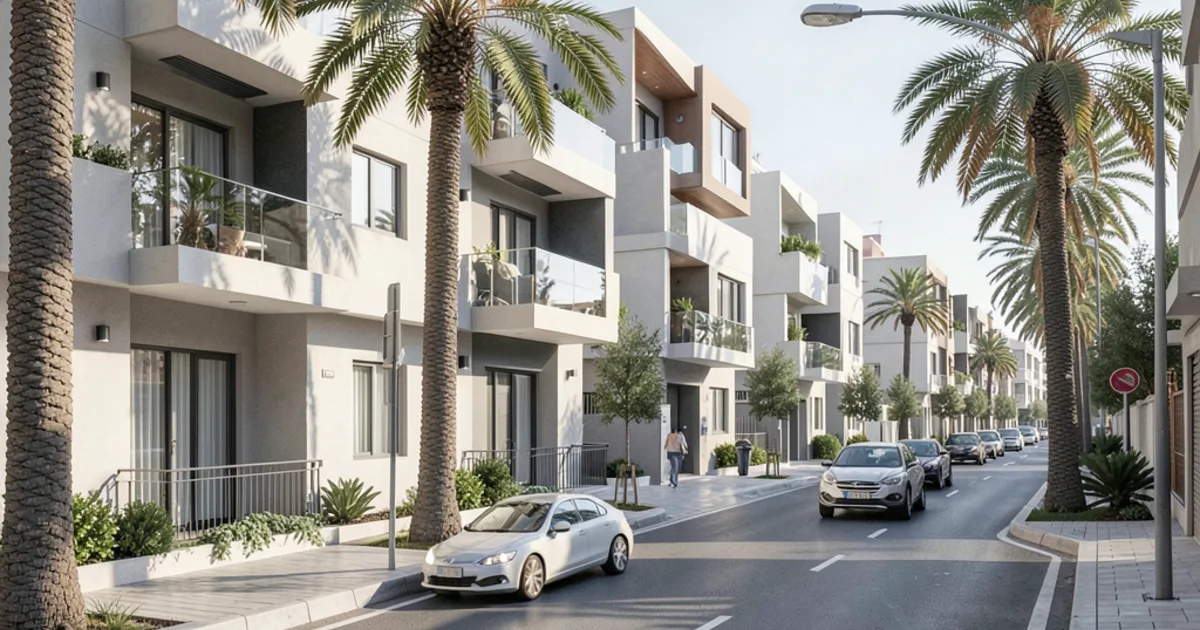
Northern Israel presents a compelling landscape for young professional investors looking to acquire small plots of land with an eye towards future development or long-term appreciation. This region, often lauded for its natural beauty and growing economic hubs, offers a unique blend of rural charm and burgeoning urbanity. For those with a strategic vision and a desire to build equity, understanding the nuances of these specific locales is paramount. This comprehensive guide, brought to you by LandIsrael, will illuminate the best areas, practical considerations, and essential steps for navigating this exciting investment opportunity.
Quick answer: For a young professional investor seeking future development potential in Northern Israel, areas such as the Galilee region, the Golan Heights, or the periphery of major cities like Haifa and Tiberias are often considered. These locations typically offer more affordable land prices compared to central Israel while benefiting from ongoing infrastructure projects and government incentives aimed at encouraging settlement and development in these regions.
- Why Northern Israel: A Strategic Investment Overview for Young Professionals
- Key Considerations for Small Plot Investment: What Defines 'Small' and 'Future Development'?
- The Galilee: A Mosaic of Opportunity, Eastern vs. Western Galilee
- Spotlight on Promising Locales in the Eastern Galilee: Growth and Charm
- Exploring the Western Galilee: Urban Access and Future Potential
- The Golan Heights: Unique Landscape, Unique Investment Profile
- The Due Diligence Checklist: Navigating Israeli Land Acquisition
- Financial Aspects: Taxes, Mortgages, and Long-Term Holding
- The Legal Framework: From Binding Memorandum to Tabu Registration
- Building Your Vision: Planning Ahead for Development
- Beyond the Plot: Integrating into the Community and Ulpan
Why Northern Israel: A Strategic Investment Overview for Young Professionals
Northern Israel, encompassing the Galilee and Golan Heights, offers a distinct appeal for discerning investors, particularly young professionals with a long-term perspective. Unlike the more saturated central region, the north boasts a lower entry point for land acquisition, providing a more accessible pathway to property ownership and development. This affordability, combined with significant government investment in infrastructure and regional development, positions it as a high-potential zone for capital appreciation over time.
The region is undergoing a quiet transformation, with new industries emerging alongside established agricultural and tourism sectors. This diversification is attracting a younger demographic, contributing to increased demand for housing and commercial spaces. For a young professional, investing in a small plot here isn't just about buying land; it's about buying into the future growth story of a dynamic and evolving region, offering both personal and financial fulfillment.
Furthermore, the lifestyle appeal of Northern Israel is a major draw. Proximity to nature, a slower pace of life, and a strong community spirit are attractive to many seeking an escape from the urban grind. This quality of life factor contributes to sustained demand for properties, ensuring that well-chosen plots will remain desirable for development or resale in the coming years. Understanding these macro trends is crucial for any strategic investor.
The potential for developing a small plot into a personal residence, a rental property, or even a small business venture aligns perfectly with the entrepreneurial spirit often found in young professionals. This flexibility in future use adds another layer of attractiveness to these investment opportunities. The region's natural beauty and slower pace of life also contribute to its allure, fostering a strong sense of community and a high quality of living that attracts long-term residents and visitors alike.
Key Considerations for Small Plot Investment: What Defines 'Small' and 'Future Development'?
For the purposes of this guide, a 'small plot' in Northern Israel typically refers to land parcels ranging from a few hundred square meters up to approximately a dunam (1,000 square meters). These plots are often suitable for building a single-family home, a duplex, or potentially a small guesthouse or agricultural tourism unit, depending on zoning. The definition is fluid and depends heavily on the specific master plan (תב"ע - TABA) governing the area, which dictates permissible uses and building rights.
Future development implies a long-term vision beyond immediate construction. It could mean purchasing land with the intention of building a dream home in five to ten years, developing a small income-generating property, or simply holding the land as an appreciating asset. This approach requires patience and an understanding of urban planning processes, which can sometimes be lengthy. Investors should be prepared for potential changes in zoning regulations that could either enhance or constrain future development options.
Understanding the concept of building rights (זכויות בנייה - Zechuyot Bniya) is critical. These rights are tied to the plot and specify the maximum allowable construction area, height, and density. A small plot with generous building rights in a desirable location can be a significantly more valuable asset than a larger plot with restrictive covenants. Always consult with a local architect or planner to fully understand the development potential before committing to a purchase.
The 'future development' aspect also necessitates a clear understanding of infrastructure availability. Does the plot have access to water, electricity, and sewage? While some plots might be cheaper due to a lack of immediate infrastructure, the cost and time involved in connecting these services can be substantial. Due diligence on this front can save significant headaches and unexpected expenses down the line, ensuring a smoother transition from vacant land to a developed property.
The Galilee: A Mosaic of Opportunity, Eastern vs. Western Galilee
The Galilee region is vast and diverse, offering distinct investment profiles depending on whether you look East or West. The Eastern Galilee, bordering the Sea of Galilee and the Golan Heights, often presents opportunities in communities with strong tourism potential, agricultural roots, or those benefiting from proximity to cities like Tiberias and Safed. Plots here might be ideal for holiday rentals or homes that capitalize on scenic views and recreational activities.
The Western Galilee, stretching towards the Mediterranean coast and encompassing cities like Nahariya and Acre, offers a different dynamic. Here, plots might be closer to established urban centers, benefiting from existing infrastructure, employment opportunities, and a more diverse local economy. Coastal proximity can drive demand, though prices may reflect this. Investors should weigh their priorities: natural beauty and tranquility versus urban convenience and accessibility.
Both sub-regions are experiencing growth, albeit at different paces and with different drivers. The Eastern Galilee is seeing renewed interest in rural tourism and sustainable living, while the Western Galilee benefits from ongoing development in industrial zones and improved transportation links. A young professional should research specific localities within these broader regions to align with their investment goals and risk tolerance.
When considering the Galilee, it's essential to look beyond the immediate plot and assess the broader regional development plans. Government initiatives aimed at boosting tourism, agriculture, or tech industries in specific areas can significantly impact future property values. Engaging with local planning documents and community leaders can provide invaluable insights into these long-term trends and help identify areas ripe for appreciation.
Spotlight on Promising Locales in the Eastern Galilee: Growth and Charm
Within the Eastern Galilee, several areas stand out for their potential. Communities around the Sea of Galilee, particularly those slightly removed from the immediate shoreline, can offer more affordable plots with stunning views. Areas near Rosh Pina and Tzfat (Safed) are also attractive, blending historical charm with a growing arts and tourism scene. These locations often appeal to those seeking a unique lifestyle alongside investment potential.
The Hula Valley region, known for its natural reserves and agricultural innovation, is another area to watch. While perhaps more rural, ongoing efforts to develop eco-tourism and high-tech agriculture could spur demand for housing and small commercial plots. Accessibility to nature and a strong sense of community are significant draws here, appealing to a specific niche of buyers and developers.
Consider communities like Mitzpe Amuka or Korazim for their strategic locations and potential for quiet residential development. These areas offer a balance of accessibility to larger towns and the tranquility of rural living. Always investigate the local zoning and master plans for any specific community, as these dictate what can be built and the future character of the area.
The appeal of these Eastern Galilee locales often lies in their potential for a slower, more lifestyle-oriented investment. For a young professional looking to eventually build a home or a boutique guesthouse, the long-term value proposition is strong. The nascent stages of development in some of these areas mean that current land prices may offer a more attractive entry point compared to more established regions, allowing for greater capital appreciation as the area matures.
Exploring the Western Galilee: Urban Access and Future Potential
In the Western Galilee, areas bordering or within a reasonable commute to cities like Nahariya, Acre (Akko), and Karmiel present compelling opportunities. These locations benefit from existing infrastructure, access to services, and a more diverse job market. Small plots here might be suitable for residential development catering to the growing urban population or for small businesses serving these communities. Proximity to major transportation routes is a key advantage.
Communities along the coastal strip, even those slightly inland, can offer attractive options. While direct beachfront property is often prohibitively expensive, plots a short drive from the coast can still benefit from the allure of the Mediterranean. Think about areas around Shavei Tzion or Regba, which blend rural charm with convenient access to coastal amenities and larger towns.
Karmiel, a planned city, continues to expand and attract residents, making surrounding communities interesting for land investment. Its strategic location as a regional hub means that plots in its vicinity could see sustained demand for residential development. The ongoing development of industrial and commercial zones around Karmiel further bolsters its long-term investment profile.
For young professionals prioritizing accessibility to urban amenities and a more diverse economic base, the Western Galilee offers a robust alternative. The potential for developing plots into multi-family units or small commercial spaces is often higher here due to existing population density and demand. Thorough research into local planning initiatives and infrastructure upgrades will reveal the most promising pockets for growth.
The Golan Heights: Unique Landscape, Unique Investment Profile
The Golan Heights offers a distinct investment landscape characterized by its breathtaking natural beauty, unique climate, and a strong sense of community. Plots here can range from those suitable for residential homes in established communities to larger parcels with agricultural potential, particularly for vineyards or fruit orchards. The region's tourism industry is also a significant driver, making small plots for guesthouses or hospitality ventures attractive.
Investing in the Golan requires a nuanced understanding of its geopolitical context, but from a practical real estate perspective, communities like Katzrin, known as the 'Capital of the Golan,' offer urban amenities and a growing population. Other smaller, picturesque communities scattered across the plateau present opportunities for those seeking a more rural and tranquil setting, often with stunning views.
The Golan's unique climate, with cooler temperatures and distinct soil conditions, supports specialized agriculture and a burgeoning wine industry. For an investor with an interest in agritourism or boutique farming, a small plot here could offer both personal satisfaction and financial returns. However, understanding water rights and agricultural zoning is paramount in these scenarios.
While the Golan Heights may present a different set of considerations than the Galilee, its long-term appeal for lifestyle-driven investments and niche agricultural ventures remains strong. The ongoing development of tourism infrastructure and the region's natural allure ensure a steady stream of visitors and residents, contributing to a stable and potentially appreciating property market. Due diligence regarding specific community plans and permissible land uses is always crucial.
The Due Diligence Checklist: Navigating Israeli Land Acquisition
Before making any commitment, comprehensive due diligence is non-negotiable. The first step involves verifying ownership through the Tabu (טאבו - Land Registry Office). This official record details the legal owner, any encumbrances (such as mortgages or liens), and the exact boundaries of the plot. Never rely solely on verbal assurances; always cross-reference with official documentation.
Understanding the local master plan (תב"ע - TABA) is crucial. This document, available through the local planning committee, outlines the permissible uses for the land (residential, agricultural, commercial), building rights (percentage of plot that can be built upon, height restrictions), and any future infrastructure plans. A plot's value is heavily influenced by its TABA designation.
Engage with local professionals: a reputable real estate lawyer specializing in Israeli property law, a licensed architect or land appraiser, and a local real estate agent familiar with the specific area. These experts can provide invaluable insights, navigate complex legalities, and help assess the true market value and development potential of a plot. Their fees are an investment, not an expense.
Finally, investigate infrastructure availability. Confirm access to water, electricity, and sewage lines. If these are not immediately available, understand the costs and timelines associated with connecting them. Also, inquire about Arnona (ארנונה - municipal property tax) rates for the area, as these ongoing costs can impact the long-term financial viability of holding the land.
It is also advisable to visit the plot multiple times, at different times of day and even in varying seasons, to get a true feel for the surroundings, noise levels, and any potential environmental factors. Speaking with neighbors or local residents can also provide anecdotal but valuable insights into the community and any local issues.
Financial Aspects: Taxes, Mortgages, and Long-Term Holding
Understanding the financial implications of land acquisition in Israel is vital. When purchasing land, you will be subject to Mas Rekhisha (מס רכישה - Purchase Tax). The rates can vary based on the buyer's residency status and whether it's their first property, but generally, land purchases incur a higher tax rate than residential properties. It's crucial to budget for this significant upfront cost.
For long-term holding, consider the ongoing Arnona (ארנונה - municipal property tax), which is levied annually by the local authority. The rate depends on the plot's size, designation, and location. While often lower for undeveloped land, it's a recurring expense that needs to be factored into your investment calculations.
Should you decide to develop the plot in the future, obtaining a Mashkanta (משכנתא - mortgage) for construction will involve a different set of criteria than a standard home mortgage. Banks typically require a significant equity contribution and a detailed construction plan. It's advisable to consult with a mortgage broker specializing in construction loans early in your planning process.
Finally, if you eventually sell the land or a developed property, you will likely be subject to Mas Shevah (מס שבח - Capital Gains Tax). This tax is levied on the profit made from the sale, after deducting allowable expenses. Understanding these tax implications from the outset helps in projecting potential returns and making informed decisions about holding periods and exit strategies.
It's also important to be aware of potential betterment levies (היטל השבחה - Heitel Hashbacha) that may be imposed by the local authority if the value of your land increases due to a change in the master plan that grants additional building rights. This is a one-time tax, usually paid upon sale or when applying for a building permit, and can be substantial.
The Legal Framework: From Binding Memorandum to Tabu Registration
The process of acquiring land in Israel begins with a binding memorandum of understanding (זיכרון דברים - Zichron Devarim) or a preliminary agreement negotiated by your lawyer. While not always legally binding on its own, it sets the stage for the formal contract and outlines key terms. It's imperative that this stage is handled by an experienced real estate lawyer to protect your interests.
The formal purchase agreement (חוזה מכר - Khoze Mekher) is a comprehensive document detailing all aspects of the sale, including payment schedules, responsibilities, and conditions. Your lawyer will conduct all necessary checks, including Tabu registration, planning committee inquiries, and verifying tax obligations, before advising you to sign. Never sign a purchase agreement without legal counsel.
Following the signing of the purchase agreement and payment of the agreed-upon installments, the transfer of ownership is registered in the Tabu. This official registration is the final step that legally confirms your ownership of the plot. The entire process, from preliminary agreement to Tabu registration, can take several months, during which your lawyer will manage the necessary filings and communications with various authorities.
It's crucial to understand that land in Israel can also be held by the Israel Land Authority (רשות מקרקעי ישראל - Rashi Mot M'karkei Yisrael - RMI), meaning you might be buying leasehold rather than freehold. While common and secure, it involves ongoing lease payments. Your lawyer will clarify the type of ownership for any specific plot. Additionally, foreign investors may face specific regulations or require permits, making legal guidance even more vital.
Building Your Vision: Planning Ahead for Development
Even if immediate development isn't the goal, a young professional investor should start thinking about the long-term vision for their small plot. This involves researching local building codes, understanding the process for obtaining a building permit (היתר בנייה - Heter Bniya), and considering the types of structures permitted by the TABA. Early planning can prevent future disappointments or costly changes.
Engaging with a local architect or urban planner, even for an initial consultation, can provide invaluable guidance. They can assess the plot's potential, suggest suitable designs that align with local regulations, and give you a realistic estimate of construction costs and timelines. This foresight helps in formulating a clear development strategy.
Consider the long-term market trends for the area. If the region is becoming popular for eco-tourism, a plot suitable for a small guesthouse or glamping site might be more lucrative than a standard residential home. If remote work is driving demand for rural living, a well-designed home with good internet access could be highly desirable. Align your development vision with anticipated future demand.
Thinking about sustainable building practices and energy efficiency can also add significant value to a future development. Israel is increasingly focused on green building, and incorporating such elements from the outset can lead to long-term savings and attract environmentally conscious buyers or tenants. This forward-thinking approach aligns with the values of many young professionals and enhances the plot's future marketability.
Beyond the Plot: Integrating into the Community and Ulpan
Investing in land in Northern Israel is not just a financial transaction; it's an opportunity to integrate into a vibrant and unique culture. For young professionals, especially those considering future residency or development, understanding the local community dynamics is important. Many communities in the North are close-knit, and active participation can enrich the investment experience.
For those planning to eventually live in Israel or develop a property, learning Hebrew is a significant advantage. Attending an Ulpan (אולפן - intensive Hebrew language school) can dramatically accelerate integration, facilitate interactions with local authorities, contractors, and neighbors, and open up new social and professional avenues. Many Ulpan programs are available throughout the country, including in Northern Israel.
Engaging with local councils and community leaders can provide insights into future plans for the area, potential challenges, and opportunities for involvement. Building relationships within the community can also be beneficial when seeking local contractors or understanding local nuances that aren't always in official documents. A proactive approach to integration can enhance both your investment and personal experience.
Consider the long-term lifestyle you envision. Northern Israel offers a diverse range of communities, from secular kibbutzim and moshavim to religious towns and mixed cities. Aligning your investment with a community that resonates with your values and aspirations will make the journey more rewarding. This holistic approach to investment goes beyond mere financial metrics and embraces the broader quality of life.
FAQ
What is Tabu and why is it important for land purchases in Israel?
Tabu is Israel's official land registry office. It's crucial because it provides the definitive legal record of ownership, plot boundaries, and any encumbrances, ensuring the legitimacy and security of your land purchase.
What is the difference between Mas Rekhisha and Mas Shevah?
Mas Rekhisha (Purchase Tax) is an upfront tax paid when acquiring property, while Mas Shevah (Capital Gains Tax) is levied on the profit made when you sell the property, after deducting eligible expenses.
Can a foreign investor buy land in Northern Israel?
Yes, foreign investors can generally buy land in Israel, but they may face specific regulations, higher purchase taxes, and might need to engage with the Israel Land Authority if the land is leasehold. Expert legal advice is essential.
What is a TABA and how does it affect my plot's development potential?
A TABA (תב"ע - Master Plan) is the local planning document that dictates permissible uses for your land (e.g., residential, agricultural), building rights (what you can build), and future infrastructure plans, directly impacting your plot's development potential and value.
What is Arnona and how often is it paid?
Arnona is a municipal property tax levied by local authorities in Israel. It is paid annually and its rate depends on the plot's size, designation, and location, representing an ongoing cost for land ownership.
Get your personalised shortlist
Listings and up-to-date info, straight to your inbox, free, no obligation.
See land for sale →