Steps to build a private home in israel
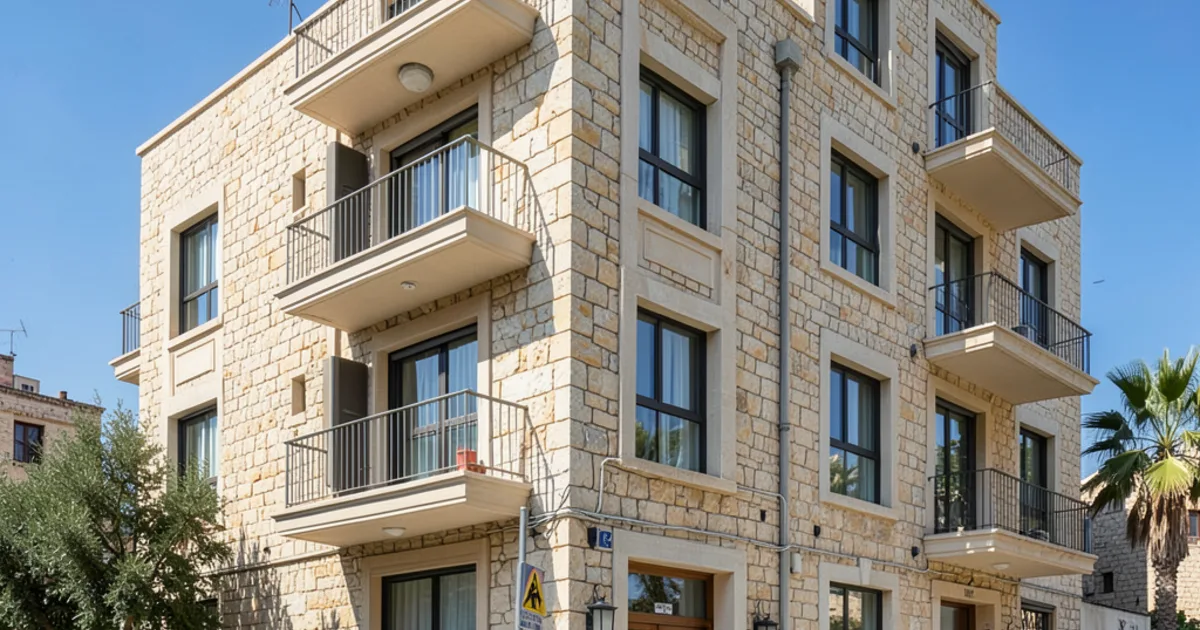
Building a private home in Israel is a rewarding endeavor that offers the freedom of customization and the security of owning land, yet it is governed by a rigorous bureaucratic and legal framework. Unlike many Western countries, the path from plot purchase to move-in day involves distinct stages, each with specific legal implications and financial considerations. This guide breaks down the essential steps, from securing the right land and obtaining necessary permits to managing construction costs and finalizing ownership, ensuring you navigate the process with confidence and clarity.
- Understanding Land Ownership and Acquisition in Israel
- Navigating the Planning and Permitting Process
- Securing Financing and Managing Construction Costs
- Hiring the Right Professional Team
- Executing the Construction Contract and Site Management
- Managing Taxes, Fees, and Financial Obligations
- Addressing Common Challenges and Risks
- Finalizing the Project and Registering Ownership
- Long-Term Maintenance and Investment Considerations
Understanding Land Ownership and Acquisition in Israel
The foundation of any successful build in Israel is understanding that the state owns the majority of the land, meaning you are typically purchasing a long-term lease rather than freehold ownership. This lease, often referred to as a 'Mas Rekhisha' context when discussing taxes, usually spans 99 years and is registered in the Tabu, the official land registry. It is crucial to verify the status of the plot through the Tabu to ensure there are no existing liens, mortgages, or disputes that could complicate your ownership or financing.
When selecting a plot, you must distinguish between land designated for private construction and land that may be subject to planning restrictions or public use. The Jewish Agency and other public bodies manage significant portions of this land, so transactions often involve specific protocols for foreign buyers. You should engage a local attorney early to review the lease agreement, ensuring that the terms allow for the specific type of residential structure you intend to build, as some plots may have restrictions on height, floor area, or building density.
- Verify the plot’s status in the Tabu land registry to confirm clear title and lease terms.
- Confirm that the land is zoned for private residential construction by the local planning authority.
- Review the lease duration and renewal conditions, as most leases are for 99 years with automatic renewal options.
Navigating the Planning and Permitting Process
Before any physical work begins, you must obtain a building permit, which is the legal authorization to construct on the site. This process involves submitting detailed architectural plans to the local municipal planning committee, which will review the project for compliance with local zoning laws, environmental regulations, and aesthetic guidelines. The review period can be lengthy, as the committee may request revisions to address concerns about traffic, shadows, or neighborhood impact, so it is essential to prepare comprehensive documentation to minimize delays.
In addition to the building permit, you may need to secure other approvals, such as environmental impact assessments or special variances if your design deviates from standard building codes. The cost of these permits and professional fees for architects and planners should be factored into your initial budget. It is advisable to work with an architect who is familiar with the specific municipality’s preferences, as this can significantly streamline the approval process and reduce the likelihood of rejection or significant redesigns.
- Engage a licensed architect to prepare detailed plans that comply with local building codes.
- Submit the application to the local planning committee and track the status of the permit.
- Budget for potential delays and revision costs, as the review process can take several months.
Securing Financing and Managing Construction Costs
Financing a private home build in Israel typically involves a combination of personal funds and a construction loan, often referred to as a 'Mashkanta' in the context of mortgage structures. Banks usually disburse funds in stages corresponding to the progress of the construction, rather than providing a lump sum, which requires meticulous budgeting and cash flow management. You will need to provide the bank with a detailed construction budget, a signed contract with the builder, and proof of the building permit to secure the loan.
Construction costs in Israel can vary significantly based on location, materials, and the complexity of the design. It is important to obtain multiple quotes from reputable contractors and to include a contingency fund for unforeseen expenses, such as changes in material prices or additional labor requirements. Transparent communication with your contractor regarding the scope of work and payment schedules is essential to avoid disputes and ensure that the project stays within budget.
- Apply for a construction loan that disburses funds in stages based on project milestones.
- Obtain detailed quotes from at least three contractors to ensure competitive pricing.
- Maintain a contingency fund of at least 10-15% of the total budget for unexpected costs.
Hiring the Right Professional Team
The success of your project largely depends on the quality of the professionals you hire, including the architect, contractor, and legal advisor. An experienced architect will not only design a beautiful home but also ensure that the plans are practical and compliant with local regulations. The contractor, or 'Mashkanta' in some contexts, should have a proven track record of completing similar projects on time and within budget, so it is crucial to check their references and review past work.
Legal representation is equally important, as the construction process involves numerous contracts and potential legal issues. Your attorney should oversee the purchase of the land, the review of the building permit, and the management of the construction contract. They will also ensure that all parties are adhering to their obligations and that any disputes are resolved promptly, protecting your investment throughout the build.
- Verify the credentials and past projects of your architect and contractor.
- Ensure your attorney is experienced in real estate and construction law in Israel.
- Establish clear communication channels and regular meeting schedules with all team members.
Executing the Construction Contract and Site Management
The construction contract is the most critical document in the build process, outlining the scope of work, timeline, payment terms, and penalties for delays. It is essential to have this contract reviewed by your attorney to ensure that it includes provisions for quality assurance, change orders, and dispute resolution. A well-drafted contract will protect you from unforeseen issues and provide a clear framework for managing the relationship with your contractor.
Effective site management is crucial to ensure that the construction proceeds smoothly and safely. Regular inspections by the architect and engineer are necessary to verify that the work is being done according to the plans and to a high standard of quality. You should also maintain a detailed log of all activities, changes, and communications, which can be invaluable in case of disputes or when making claims for additional work.
- Have the construction contract reviewed by a legal expert before signing.
- Schedule regular site inspections to monitor progress and quality.
- Keep a detailed record of all changes and communications with the contractor.
Managing Taxes, Fees, and Financial Obligations
Building a home in Israel involves several financial obligations, including purchase tax, value-added tax on construction costs, and potential capital gains tax if you sell the property in the future. The purchase tax, or 'Mas Rekhisha,' is calculated based on the value of the property and the buyer's residency status, so it is important to understand how this tax applies to your situation. Additionally, you will be responsible for paying 'Arnona,' the local municipal tax, which covers services such as waste collection and road maintenance.
If you are a foreign buyer, you may be subject to additional taxes or restrictions, so it is crucial to consult with a tax advisor to understand your specific obligations. Capital gains tax, or 'Mas Shevah,' may apply when you sell the property, but there are exemptions and deductions available for primary residences. Proper tax planning can help you minimize your financial burden and ensure compliance with Israeli tax laws.
- Calculate the purchase tax based on the property value and your residency status.
- Budget for local municipal taxes, including Arnona and waste collection fees.
- Consult a tax advisor to understand capital gains tax implications for future sales.
Addressing Common Challenges and Risks
Construction projects are inherently complex and prone to delays, cost overruns, and disputes. Common challenges include weather-related delays, supply chain issues, and disagreements with the contractor over the scope of work. To mitigate these risks, it is essential to build flexibility into your timeline and budget and to maintain open communication with all parties involved. Regular progress meetings can help identify potential issues early and allow for timely resolution.
Legal disputes can also arise, particularly if the contractor fails to meet the agreed-upon standards or deadlines. In such cases, it is important to have a clear dispute resolution mechanism in place, such as mediation or arbitration, to avoid costly litigation. Your attorney can help you navigate these issues and ensure that your rights are protected throughout the process.
- Build flexibility into your timeline and budget to accommodate unforeseen challenges.
- Establish a clear dispute resolution mechanism in the construction contract.
- Maintain open and regular communication with the contractor and other professionals.
Finalizing the Project and Registering Ownership
Once the construction is complete, the final step is to obtain the certificate of occupancy and register the property in the Tabu. This process involves a final inspection by the local authorities to ensure that the home meets all safety and building code requirements. After passing the inspection, you will receive the necessary documents to complete the registration, which officially transfers the ownership of the property to your name.
It is important to ensure that all taxes and fees have been paid and that all contractual obligations have been fulfilled before finalizing the registration. Your attorney can help you verify that all documents are in order and that the registration is completed correctly. Once the property is registered, you will have full legal ownership and can begin to enjoy your new home.
- Schedule a final inspection with the local authorities to obtain the certificate of occupancy.
- Ensure all taxes and fees are paid and contractual obligations are fulfilled.
- Register the property in the Tabu to complete the transfer of ownership.
Long-Term Maintenance and Investment Considerations
Building a home is not just about the construction process but also about the long-term maintenance and potential investment value of the property. Regular maintenance is essential to preserve the value of your home and ensure its longevity, so it is important to establish a maintenance plan and budget for ongoing costs. Additionally, if you are building the home as an investment, you should consider the local market trends and potential for appreciation.
The Israeli real estate market is dynamic, and factors such as location, infrastructure development, and economic conditions can influence the value of your property. By staying informed about market trends and making strategic decisions, you can maximize the return on your investment. Whether you are building a primary residence or an investment property, understanding the long-term implications of your decision is crucial for success.
- Establish a regular maintenance plan to preserve the value of your home.
- Monitor local market trends to understand the potential for property appreciation.
- Consider the long-term financial implications of your investment decision.
FAQ
Can a foreigner buy land and build a home in Israel?
Yes, foreigners can purchase land and build homes in Israel, subject to certain regulations and approvals. The process involves working with a local attorney and ensuring compliance with local planning and zoning laws.
How long does it take to obtain a building permit in Israel?
The time required to obtain a building permit can vary significantly depending on the complexity of the project and the local municipality's processing times. On average, the process can take several months, including the time for reviews and potential revisions.
What is the difference between a building permit and a construction permit?
In Israel, the building permit is the primary authorization to construct on a specific plot, issued by the local planning committee. It ensures that the design complies with local zoning and building codes.
Are there any tax incentives for building a primary residence?
There are certain tax benefits and exemptions available for primary residences, including potential reductions in purchase tax and capital gains tax exemptions upon sale. These incentives are designed to encourage homeownership and are subject to specific conditions.
What should I include in my construction contract to protect myself?
Your construction contract should include detailed terms regarding the scope of work, timeline, payment schedules, and penalties for delays. It should also specify the standards of quality and the process for handling change orders and disputes.
Get your personalised shortlist
Listings and up-to-date info, straight to your inbox, free, no obligation.
See land for sale →