What are the common hidden costs and fees associated with developing a recreational plot near the Dead Sea for tourism purposes?
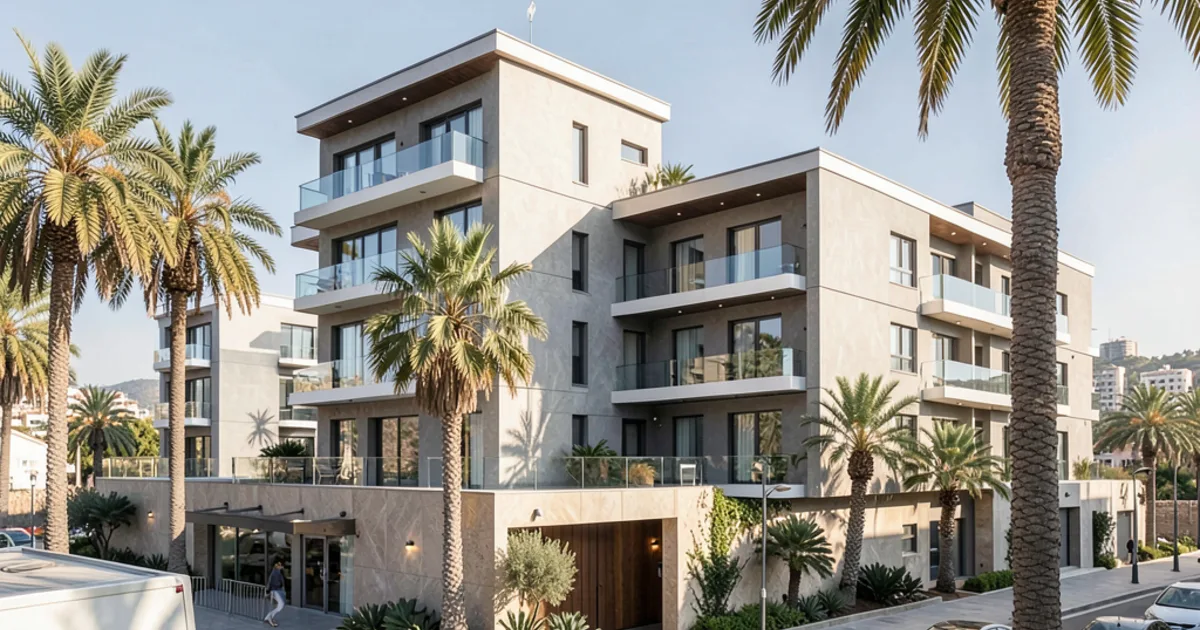
Investing in land near the Dead Sea is a high-stakes endeavor that combines unique geological opportunities with significant regulatory and environmental challenges. For those looking to build a boutique hotel, a luxury villa, or a recreational facility, the initial purchase price is merely the tip of the iceberg. To succeed, investors must look beyond the surface and account for a complex web of specialized costs that are unique to this sensitive and highly regulated region. This guide uncovers the essential, often overlooked expenses that can impact the long-term viability of your Dead Sea tourism development.
- The Legal Foundation: Due Diligence and the Binding Memorandum
- Taxation and Government Levies: Beyond the Purchase Price
- Geological Realities: Mitigating Sinkhole and Soil Risks
- Infrastructure and Utility Connectivity in Remote Areas
- Navigating the Planning Maze: TABA and Zoning Constraints
- Specialized Construction: Building for a Harsh Environment
- Tourism Licensing and Regulatory Compliance
- Ongoing Operational Costs: Arnona and Maintenance
- Financing and Capital Management: The Mashkanta Factor
- Professional Service Fees: Building Your Expert Team
The Legal Foundation: Due Diligence and the Binding Memorandum
Before a single stone is turned, the legal landscape of Israeli real estate requires meticulous attention. The process begins long before the transfer of title, often starting with the drafting of a Binding Memorandum (Heskem Mahzor). This document is the cornerstone of your investment, as it dictates the rights, obligations, and conditions under which the land is acquired. Failing to account for the legal fees associated with negotiating a robust memorandum can lead to disputes regarding building rights or land usage later in the development cycle.
Navigating the Tabu (the Israeli Land Registry) is another critical step that involves more than just a simple registration fee. You must engage specialized legal counsel to perform a deep dive into the land's history, ensuring there are no hidden encumbrances, liens, or disputed claims that could stall your project. The cost of this due diligence is a necessary safeguard against acquiring land that is legally 'frozen' or subject to complicated communal rights that might restrict your tourism operations.
Furthermore, the administrative costs of legal representation in Israel are not static. Because Dead Sea plots often involve complex zoning or environmental restrictions, you may require legal experts who specialize in administrative law, not just general real estate. These specialists ensure that your project aligns with local municipal requirements and that your rights to develop for tourism are clearly protected within the legal framework of the land's specific designation.
- Legal fees for drafting and negotiating the Binding Memorandum.
- Costs associated with thorough Tabu registry searches and encumbrance verification.
- Specialized attorney fees for navigating complex land-use disputes.
Taxation and Government Levies: Beyond the Purchase Price
One of the most substantial 'hidden' costs is the Mas Rekhisha, or Purchase Tax. In Israel, this is a progressive tax that scales based on the value of the property. For a high-value recreational plot intended for tourism, the tax burden can represent a significant portion of your initial capital outlay. It is vital to calculate this amount accurately during your feasibility study, as it is a non-negotiable expense paid to the state at the time of acquisition.
Another critical tax to consider is the Mas Shevah, or Capital Gains Tax. While this is typically realized upon the eventual sale of the property, it must be factored into your long-term exit strategy and ROI calculations. If you are developing the land to build and then sell the finished tourism facility, the difference between your acquisition cost and your sale price will be subject to this levy, impacting your total net profit.
In addition to national taxes, you must prepare for various municipal and government fees that arise during the development process. These can include fees for land conversion (if applicable) or specific levies imposed by the local authority for the provision of services. Understanding the distinction between these various tax layers is essential for maintaining a healthy cash flow throughout the construction and operational phases.
- Mas Rekhisha (Purchase Tax) based on progressive property valuation scales.
- Mas Shevah (Capital Gains Tax) impacting the eventual exit and profit realization.
- Municipal development fees and land conversion levies.
Geological Realities: Mitigating Sinkhole and Soil Risks
The Dead Sea region is geologically unique and, consequently, highly volatile. One of the most significant hidden costs in this area is the requirement for extensive geotechnical investigations. Due to the receding water levels of the Dead Sea, the area is prone to sinkholes (ma'arot) and soil instability. You cannot simply rely on standard soil tests; you must invest in high-level geological surveys to ensure the ground can support the weight of a tourism facility.
If your survey reveals potential instability, the cost of mitigation can be enormous. This might include specialized foundation engineering, soil stabilization techniques, or even the relocation of certain structures within your plot to safer zones. While these expenses are daunting, ignoring them is not an option, as the structural integrity of your investment and the safety of your future guests depend entirely on these preventative measures.
Moreover, environmental impact assessments (EIA) are often mandatory for tourism developments in this sensitive ecological zone. These studies assess how your construction will affect the surrounding landscape and local ecosystem. The process of obtaining these permits can be time-consuming and expensive, requiring the services of environmental consultants and potentially leading to required modifications in your architectural design to meet strict ecological standards.
- Advanced geotechnical surveys to detect sinkhole risks.
- Specialized foundation engineering and soil stabilization costs.
- Mandatory environmental impact assessments (EIA) and ecological compliance.
Infrastructure and Utility Connectivity in Remote Areas
Developing a plot near the Dead Sea often means working in a location that is far from the primary urban infrastructure hubs. While a plot may be 'ready for building,' the actual connection to essential utilities can be a massive hidden expense. Bringing electricity, water, and sewage lines to a remote site often requires significant civil engineering work that goes far beyond the property line.
Water scarcity is a defining characteristic of the region, making water infrastructure a priority. You may find that the cost of connecting to the national water grid is high, or that you must invest in independent water solutions, such as advanced desalination systems or large-scale storage tanks. Similarly, sewage management in a desert environment is complex; you may be required to build your own treatment plant or pay significant connection fees to extend existing municipal lines.
Telecommunications and internet connectivity are also vital for modern tourism. In many parts of the Dead Sea area, high-speed fiber or reliable cellular coverage may not be readily available. Installing your own dedicated telecommunications infrastructure to ensure your guests have seamless connectivity is a modern necessity that carries its own set of capital requirements.
- Civil engineering costs for extending electricity and water lines.
- Investment in private water treatment or storage solutions.
- Telecommunications infrastructure for high-speed connectivity in remote zones.
Navigating the Planning Maze: TABA and Zoning Constraints
The Israeli planning system is notoriously complex, and the Dead Sea area is subject to even stricter scrutiny due to its status as a national heritage site. You must navigate the hierarchy of planning, starting from the TABA Metu'at (the Master Plan) down to the TABA Mekhukat (the Local Plan). If your intended tourism use is not explicitly permitted in the local zoning, you may face a long and costly battle to change the land's designation.
The cost of 'time' is perhaps the most significant hidden factor in the planning process. Delays in obtaining building permits from the local planning committee can stall your project for months or even years. During these delays, your capital is tied up, and you may still be liable for certain holding costs. A project that is delayed due to bureaucratic friction can quickly see its projected profitability evaporate.
Additionally, you must account for the costs of professional planning services. To successfully navigate the local authority's requirements, you will need a team of architects and planners who are intimately familiar with the specific nuances of Dead Sea zoning laws. These professionals are essential for ensuring that your application is complete, compliant, and positioned to move through the approval stages with minimal resistance.
- Costs associated with navigating TABA Metu'at and TABA Mekhukat.
- Financial impact of project delays during the permit approval process.
- Fees for specialized architects and planners familiar with local zoning.
Specialized Construction: Building for a Harsh Environment
The environmental conditions near the Dead Sea are among the most corrosive on Earth. The high salinity in the air, combined with extreme heat, means that standard construction materials will degrade at an accelerated rate. If you build using conventional methods, you will face massive maintenance costs within just a few years. Consequently, the 'hidden' cost here is the higher upfront investment required for specialized, salt-resistant materials.
For example, instead of standard steel, you may need to utilize high-grade stainless steel or specialized coatings to prevent rapid oxidation. Concrete mixes must be formulated with specific additives to resist sulfate and chloride attacks from the saline environment. While these materials increase the initial construction budget, they are essential for the longevity and safety of the tourism facility.
Furthermore, the logistics of construction in remote, desert-like environments can drive up costs. Transporting heavy machinery, specialized materials, and a skilled workforce to a remote site often involves higher-than-average freight and labor premiums. You must factor in these logistical complexities when budgeting for the physical build of your recreational plot.
- Premium for salt-resistant and corrosion-proof building materials.
- Specialized concrete formulations for extreme salinity.
- Logistical premiums for transporting materials and labor to remote sites.
Tourism Licensing and Regulatory Compliance
Building a structure is only half the battle; operating a tourism business is another. Once your facility is complete, you must obtain the necessary licenses from the Ministry of Tourism and other relevant government bodies. These licenses are not guaranteed and are contingent upon meeting strict standards regarding safety, accessibility, and hygiene. The cost of bringing your facility up to these specific standards can be a surprise to many developers.
Safety regulations, particularly regarding fire prevention and emergency exits, are strictly enforced in Israel. Given the remote nature of the Dead Sea, your facility may require advanced fire suppression systems or specialized emergency response plans that exceed standard residential requirements. Ensuring compliance with these regulations is a non-negotiable part of the operational setup.
Furthermore, accessibility requirements for people with disabilities are a major component of tourism licensing. You may need to invest in specialized ramps, elevators, or modified bathroom facilities to ensure your property meets the legal requirements for public accommodations. These modifications are essential for both legal compliance and for maximizing your potential guest market.
- Ministry of Tourism licensing and compliance fees.
- Costs for meeting strict fire safety and emergency response standards.
- Accessibility upgrades to meet public accommodation regulations.
Ongoing Operational Costs: Arnona and Maintenance
Once the development is complete and the doors are open, the focus shifts to operational sustainability. One of the most significant recurring costs is Arnona, the municipal property tax. It is crucial to note that Arnona rates for commercial or tourism-based properties are significantly higher than those for residential properties. You must budget for these higher rates as a core part of your operating expenses.
Maintenance in the Dead Sea region is an ongoing battle against the elements. The salt air, extreme temperature fluctuations, and dust require a rigorous and frequent maintenance schedule. From cleaning specialized glass to servicing HVAC systems that are working overtime in the heat, the cost of keeping a tourism facility in top condition is much higher than in more temperate regions.
Additionally, you must consider the cost of specialized staffing. Maintaining a high-end tourism facility in a remote area may require providing housing or transportation for employees, or paying higher wages to attract skilled professionals to a distant location. These labor-related costs are essential for maintaining the service quality that tourism guests expect.
- Higher Arnona (municipal tax) rates for commercial/tourism use.
- Increased maintenance frequency due to salt and heat exposure.
- Labor premiums for staffing in remote or specialized locations.
Financing and Capital Management: The Mashkanta Factor
Securing financing for a specialized tourism project can be more complex than a standard residential mortgage (Mashkanta). Banks often view tourism-related land development as a higher-risk investment. This can lead to more stringent appraisal processes and potentially higher interest rates or more restrictive loan-to-value ratios. You must work with financial advisors who understand the nuances of commercial real estate in Israel.
The appraisal process itself is an additional cost. A bank will send a professional appraiser to value the land and the projected value of the development. Because the Dead Sea is a unique market, these appraisals can be more intensive and expensive than standard residential valuations. Ensuring your project is presented with a professional business plan is key to navigating this stage.
Finally, you must account for interest rate volatility. Since development projects often take several years from acquisition to completion, your financing costs may change during the construction phase. Managing the risk of fluctuating interest rates is a critical component of your financial planning to ensure that the project remains viable through its entire lifecycle.
- Complexity in securing Mashkanta (mortgages) for tourism-specific plots.
- Costs for specialized bank appraisals and feasibility studies.
- Risk management for interest rate fluctuations during development.
Professional Service Fees: Building Your Expert Team
A successful development near the Dead Sea cannot be managed alone. You will need to assemble a team of high-level professionals, each of whom represents a significant service fee. This includes architects, structural engineers, project managers, and potentially even translators or local consultants if you are an international investor. The cost of this 'expert layer' is essential for mitigating the risks discussed previously.
A dedicated project manager is particularly vital in this context. Given the complexities of local regulations, geological risks, and specialized construction, having a single point of contact to oversee all moving parts can save you from costly mistakes. While a project manager is an upfront expense, they often pay for themselves by preventing delays and managing contractor performance.
Lastly, do not overlook the cost of professional advice regarding local management. If you are an English-speaking investor, you may need to hire professionals to manage local staff, handle Hebrew-language bureaucratic processes, or provide 'ulpan'-level communication support. This ensures that your vision is not lost in translation and that your operations run smoothly on the ground.
- Fees for architects, structural engineers, and specialized consultants.
- Investment in a professional project manager to oversee development.
- Costs for local management and communication support.
FAQ
What is the biggest geological risk when developing near the Dead Sea?
The most significant risk is the presence of sinkholes and soil instability caused by the receding water levels of the Dead Sea. This necessitates expensive geotechnical surveys and specialized foundation engineering to ensure the safety of your structures.
Why is construction more expensive in the Dead Sea area?
The high salinity and extreme heat require the use of specialized, corrosion-resistant materials and advanced concrete mixes. These materials are more expensive than standard building supplies but are necessary to prevent rapid structural degradation.
How does Arnona differ for tourism plots?
Arnona (municipal property tax) is calculated based on the land's use. For tourism and commercial developments, the rates are significantly higher than the residential rates applied to standard homes or villas.
Get your personalised shortlist
Listings and up-to-date info, straight to your inbox, free, no obligation.
See land for sale →