Buying land for future construction in israel
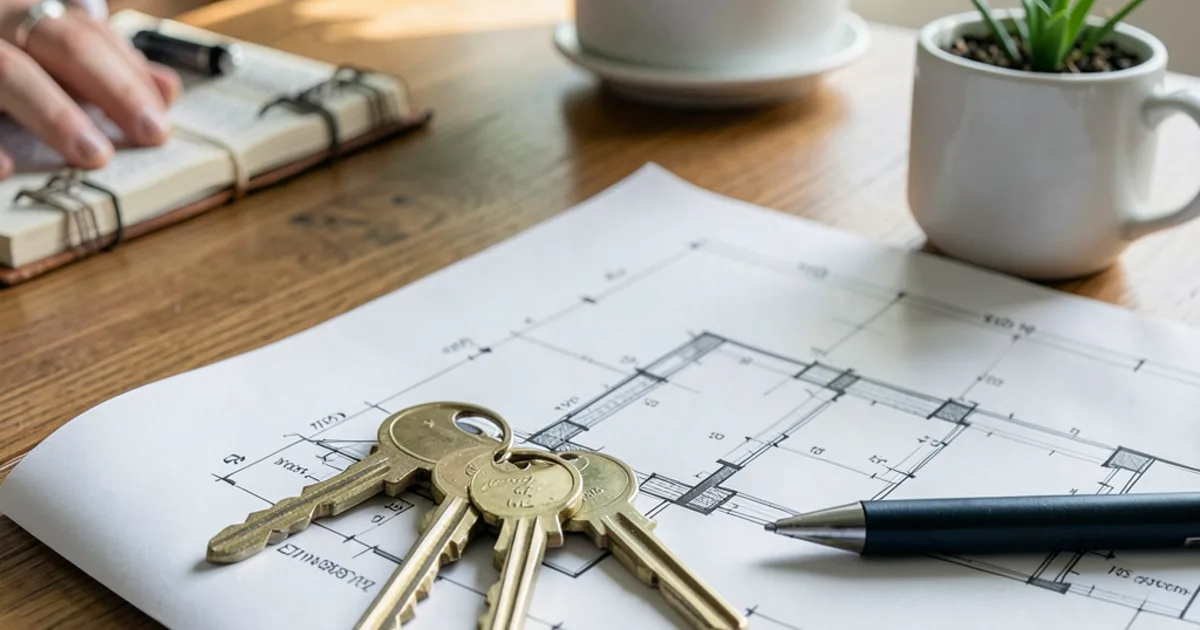
Buying land in Israel with the intention of future construction is a multifaceted endeavor that blends long-term vision with rigorous regulatory compliance. Whether your goal is to build a private family residence or to hold land as a strategic investment, the process differs significantly from purchasing a completed home. Navigating the nuances of the Israeli land registry, local zoning laws, and complex tax structures is essential for success. This guide provides a comprehensive roadmap to help you move from initial interest to legal ownership and eventual construction.
- Defining Your Primary Objectives for Land Acquisition
- Navigating the Legal Landscape: The Tabu and Land Registries
- Understanding Zoning and the Importance of TABA
- Essential Due Diligence and the Binding Memorandum
- Navigating Israeli Tax Obligations: Mas Rekhisha and Mas Shevah
- Financing Your Purchase: Mortgages and Capital Requirements
- The Role of Local Municipalities and Planning Committees
- Preparing for Construction: From Land to Building Permit
- Managing Ongoing Costs of Land Ownership
- Common Pitfalls and How to Avoid Them
- Long-Term Strategies for Land Holders in Israel
Defining Your Primary Objectives for Land Acquisition
The first step in any land acquisition journey is to clearly define your ultimate objective, as this will dictate your entire strategy. Some buyers are looking for a 'build-to-live' scenario, where the land is specifically chosen to host a future family home. These buyers often prioritize location, proximity to amenities, and the emotional connection to the landscape. Their timeline is usually tied to personal life milestones rather than market fluctuations.
Conversely, many individuals approach land acquisition from a purely investment-oriented perspective. These buyers seek to 'hold' land, anticipating that changes in local zoning or urban expansion will significantly increase the property's value over time. For these investors, the focus shifts toward capital appreciation and the potential for future development rights. The risk profile for an investor is often higher, as they are heavily dependent on municipal planning decisions.
A third category involves those looking to develop land for commercial or multi-unit residential purposes. This path requires a much higher level of technical expertise and significant capital reserves. Developers must understand not just the land itself, but the broader economic trends and the capacity of the local infrastructure to support new construction. Regardless of your path, understanding whether you are building, developing, or holding is the foundation of your decision-making process.
Navigating the Legal Landscape: The Tabu and Land Registries
In Israel, the legal status of land is managed through several different systems, the most critical being the Tabu, or the official Land Registry. The Tabu provides the definitive record of ownership, liens, and encumbrances on a specific plot. Before committing any funds, it is imperative to verify that the seller's name is correctly recorded in the Tabu. This verification ensures that the person selling the land actually has the legal right to transfer it to you.
It is also vital to distinguish between private land and state-owned land. Much of the land in Israel is managed by the Israel Land Authority (ILA), which operates under a different set of rules than private holdings. When dealing with state land, you may not be buying the land itself, but rather a long-term leasehold. Understanding the specific terms of your lease or your ownership deed is essential to knowing what rights you actually possess.
A professional lawyer will perform a thorough search to uncover any hidden legal issues that could derail your construction plans. They will look for existing mortgages, court injunctions, or easements that might restrict how you use the land. Relying solely on a verbal assurance from a seller is a dangerous mistake in the Israeli real estate market. Always ensure that the legal status is confirmed through official government channels.
- The Tabu (Land Registry): The official record of ownership and legal encumbrances.
- Israel Land Authority (ILA): The body managing state-owned land and long-term leases.
- Private Land: Property held in full ownership, often requiring different due diligence.
- Encumbrances: Legal claims, such as mortgages or liens, that affect the property title.
Understanding Zoning and the Importance of TABA
Zoning is perhaps the most critical factor when buying land for future construction. In Israel, land use is governed by local master plans, often referred to in the context of TABA (local planning schemes). These plans dictate exactly what can be built on a plot, including the number of floors, the total building area, and the type of usage allowed. A plot that appears perfect for a villa might actually be zoned for agricultural use only, making construction impossible.
When evaluating a plot, you must investigate the specific building rights assigned to it. These rights are not always obvious and can be influenced by various municipal regulations and density requirements. It is possible for land to have 'potential' for higher density, but this often requires a lengthy and uncertain process of applying for a plan amendment. You must weigh the cost of such an application against the potential increase in land value.
The planning process in Israel can be notoriously slow and subject to various political and social shifts. A change in the local municipality's priorities can stall a planning application for years. Therefore, it is wise to look for land that already has established building rights within an approved TABA. Relying on 'future' zoning changes is a high-risk strategy that should only be undertaken by experienced investors.
- TABA (Local Plan): The regulatory document defining land use and building rights.
- Building Rights: The specific volume and area permitted for construction.
- Zoning Change: The process of requesting a modification to existing land use rules.
- Density: The ratio of building area to the total size of the land plot.
Essential Due Diligence and the Binding Memorandum
Due diligence is the process of verifying every claim made by the seller regarding the land. This goes beyond a simple title search and includes a physical inspection of the site. You must ensure that the boundaries are clearly defined and that there are no encroachments from neighboring properties. Discrepancies between the physical land and the official maps can lead to expensive legal battles later on.
The culmination of the negotiation phase is the signing of the binding memorandum, known in Hebrew as a 'Hovtah.' This document is a legally enforceable contract that outlines the terms of the sale, the price, and the closing conditions. It is crucial that this memorandum is drafted by a qualified lawyer who represents your interests exclusively. A poorly drafted memorandum can leave you vulnerable to unexpected costs or delays.
During this phase, you should also investigate the availability of essential infrastructure. Even if a plot is zoned for construction, it may lack access to electricity, water, sewage, or paved roads. The cost of bringing these services to a remote plot can sometimes exceed the initial purchase price of the land. Always ask for proof of municipal connections or a clear plan for future infrastructure development.
Navigating Israeli Tax Obligations: Mas Rekhisha and Mas Shevah
Taxation is a significant component of the total cost of land acquisition in Israel. The primary tax for buyers is Mas Rekhisha, or Purchase Tax. This tax is calculated based on the purchase price and is applied in a tiered structure. The rate you pay depends heavily on whether the land is being purchased for a primary residence or as an investment property. It is essential to calculate these costs early in your budget planning.
While Mas Rekhisha is paid by the buyer, you should also be aware of Mas Shevah, which is the Capital Gains Tax paid by the seller. Although you do not pay this directly, the seller's tax liability can influence their willingness to negotiate the sale price. In some market conditions, sellers may attempt to pass certain tax burdens onto the buyer through the final price. Understanding how these taxes interact is vital for a transparent negotiation.
For international buyers or those with complex residency statuses, tax implications can become even more intricate. There may be additional considerations regarding foreign ownership or treaty-based tax relief. It is highly recommended to consult with a tax professional who specializes in Israeli real estate. They can help you structure the transaction in the most tax-efficient manner possible.
Financing Your Purchase: Mortgages and Capital Requirements
Securing financing for raw land is generally more challenging than securing a mortgage for an existing home. Most banks in Israel offer Mashkanta (mortgages) for residential properties, but they are often more conservative when the collateral is undeveloped land. Lenders typically require a higher down payment for land than they would for a finished building. This means you must have significant liquid capital available before you begin the purchase process.
The type of mortgage you can obtain often depends on the land's zoning and its proximity to developed areas. Banks are much more willing to lend on land that is already within a recognized urban zone with approved building rights. If you are buying agricultural land with the hope of future conversion, you may find that traditional mortgage options are limited or unavailable. In such cases, you might need to rely on private financing or significant personal savings.
When planning your long-term finances, remember that the mortgage is only the first step. Once you begin the construction phase, you will likely need additional financing to cover building costs. This often involves a transition from a land mortgage to a construction loan. Coordinating these two financial stages requires careful planning with your bank to ensure continuous liquidity throughout the project.
The Role of Local Municipalities and Planning Committees
The local municipality plays a pivotal role in the lifecycle of your land, from the initial zoning to the final building permit. Every municipality has its own set of local regulations and a planning committee that oversees all development. These committees are responsible for ensuring that new construction aligns with the community's overall growth and infrastructure capacity. Understanding the local 'culture' of the planning committee can be a significant advantage.
One of the most important recurring costs associated with land ownership is Arnona, the municipal property tax. Even if the land is vacant and not yet being used for construction, you will be required to pay Arnona based on the land's classification. These rates vary significantly between different municipalities and land types. Failure to account for these ongoing municipal costs can strain your budget during the holding period.
Furthermore, the municipality is responsible for the development of public infrastructure that will eventually serve your property. This includes roads, lighting, drainage, and public parks. When choosing land, it is wise to research the municipality's long-term development plans for the area. A municipality that is actively investing in infrastructure is more likely to see its land values rise over time.
- Local Planning Committee: The body that reviews and approves building applications.
- Arnona: The ongoing municipal property tax paid by the owner.
- Infrastructure Development: The municipality's responsibility for roads, water, and electricity.
- Municipal Regulations: Local bylaws that may restrict specific types of construction.
Preparing for Construction: From Land to Building Permit
Once you have secured the land and verified its legal status, the focus shifts from acquisition to preparation. This stage begins with hiring a professional team, including an architect and a structural engineer. These professionals are responsible for translating your vision into technical drawings that comply with Israeli building codes. The quality of your initial design will heavily influence the speed and success of the permit process.
The process of obtaining a building permit (Heter Bniya) can be a lengthy and bureaucratic journey. You must submit your detailed plans to the local planning committee for review and approval. During this time, the committee may request modifications to your design to ensure it meets local aesthetic, density, or environmental standards. It is important to view this as a collaborative process rather than a simple administrative hurdle.
Managing the timeline of construction preparation is essential to avoid unnecessary costs. Delays in receiving permits can lead to increased holding costs, such as Arnona and interest on land loans. A well-organized project manager or a dedicated architect can help navigate the various municipal requirements and keep the project moving forward. Patience and professional guidance are your best tools during this transition.
Managing Ongoing Costs of Land Ownership
Owning land is not a passive activity; it involves several ongoing financial responsibilities. Beyond the initial purchase price and taxes, you must account for the continuous costs of maintenance and security. Even on an empty plot, you may need to invest in fencing to prevent trespassing or illegal dumping. Maintaining the perimeter of your land is a practical necessity that also helps protect your investment.
The cost of Arnona remains a constant factor, regardless of whether you are building or simply holding. As the land moves through different stages, from agricultural to residential, the tax rate will likely change. You should always budget for these incremental increases in municipal taxation. Being proactive about these costs ensures that you are never caught off guard by unexpected municipal bills.
Additionally, consider the potential costs of environmental maintenance. If the land is in a rural or semi-rural area, you may be responsible for managing vegetation or preventing erosion. These tasks may seem minor, but they can become significant if left unaddressed over several years. A well-maintained plot is also more attractive to future buyers or lenders should you decide to sell or refinance.
Common Pitfalls and How to Avoid Them
One of the most frequent mistakes in land acquisition is failing to account for hidden encumbrances. A property might appear to be clear, but a deep search in the Tabu could reveal old easements or rights of way that restrict where you can build. These 'invisible' restrictions can render a plot useless for your specific construction goals. Always insist on a comprehensive legal search conducted by an independent lawyer.
Another significant pitfall is the misunderstanding of zoning potential. Many buyers fall into the trap of purchasing land based on the 'hope' that it will be rezoned in the future. While this can be a lucrative strategy, it is inherently speculative and carries high risk. Never base your entire financial plan on a zoning change that has not yet been officially approved by the planning committee.
Finally, many buyers underestimate the time and cost required for municipal approvals. The gap between buying land and actually breaking ground can be much longer than anticipated. This delay can lead to liquidity issues if you have not planned for a long holding period. Always build a significant buffer into your timeline and your budget to accommodate the realities of the Israeli regulatory environment.
Long-Term Strategies for Land Holders in Israel
Successful land ownership in Israel requires a strategic approach to market cycles. Real estate values in the region can fluctuate based on economic conditions, interest rates, and government policy. Those who view land as a long-term asset should be prepared to hold through periods of stagnation. The ability to remain patient is often what separates successful investors from those who exit at the wrong time.
There is also a strategic choice between immediate development and long-term holding. Developing the land quickly can lead to faster returns but requires more active management and higher upfront capital. Holding the land allows you to benefit from the general appreciation of the area but keeps your capital tied up for longer. Your decision should align with your overall financial health and risk tolerance.
Lastly, always keep an eye on the macro-level planning trends of the country. Israel's urban planning is constantly evolving, with new emphasis being placed on transportation corridors and sustainable development. Positioning your land acquisition near planned infrastructure, such as new train lines or major highways, can be a powerful way to future-proof your investment. Staying informed about national planning trends is a key component of a sophisticated land strategy.
FAQ
Can I get a mortgage for raw land in Israel?
Yes, but it is generally more difficult than getting a mortgage for a finished home. Banks typically require a much higher down payment and may offer less favorable interest rates for undeveloped plots.
What is the difference between the Tabu and the Israel Land Authority?
The Tabu is the official land registry that records ownership and legal encumbrances for all land types. The Israel Land Authority (ILA) specifically manages and leases state-owned land.
How much should I budget for Mas Rekhisha (Purchase Tax)?
Mas Rekhisha is calculated based on a tiered system that depends on the purchase price and the buyer's status. The rates vary significantly if you are buying a primary residence versus an investment property.
Why is zoning (TABA) so important when buying land?
Zoning dictates exactly what you are legally allowed to build on a specific plot, including the size and type of structure. Without checking the TABA, you might purchase land that is unsuitable for your construction needs.
Get your personalised shortlist
Listings and up-to-date info, straight to your inbox, free, no obligation.
See land for sale →