Jerusalem vs. Tel Aviv: Which city offers better property appreciation?
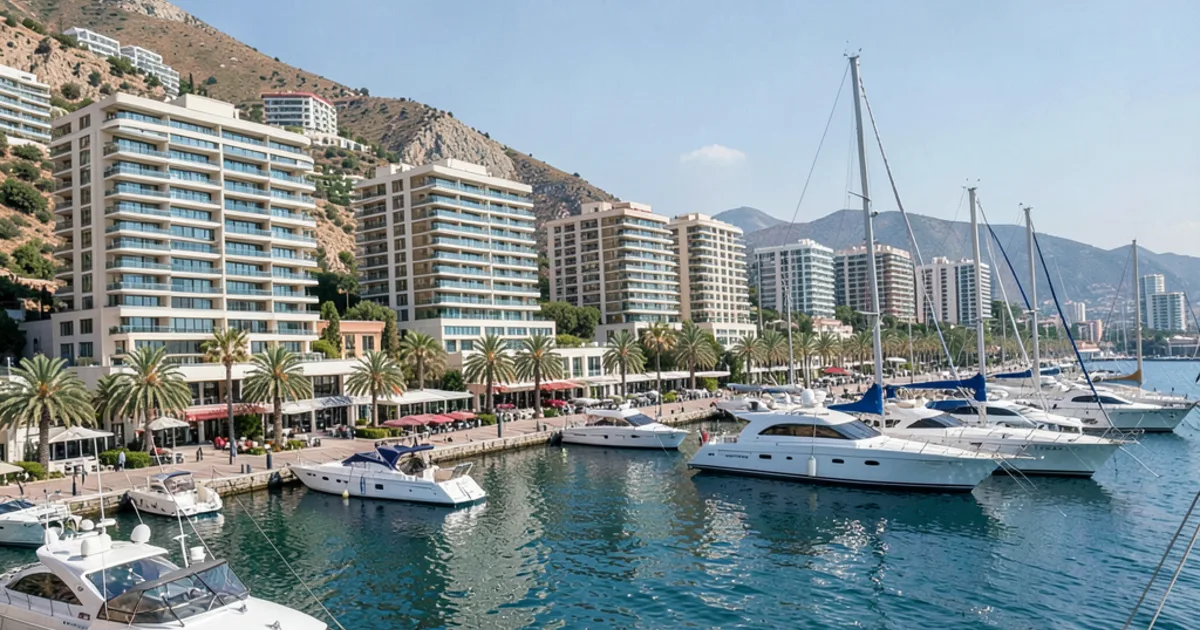
Deciding where to allocate capital in the Israeli property market requires a deep understanding of the fundamental differences between its two most iconic cities. While both Jerusalem and Tel Aviv offer significant opportunities, they operate on entirely different economic and cultural wavelengths. This guide provides a comprehensive comparison to help you determine which city aligns with your long-term appreciation and lifestyle goals.
- The Fundamental Dichotomy: Two Different Markets
- Economic Drivers: Tech Hub vs. Institutional Anchor
- Demographics and Demand: Who is Buying?
- Rental Yields and Cash Flow Potential
- Analyzing Long-Term Capital Appreciation
- The Luxury Landscape: Modernity vs. Heritage
- Navigating Taxes and Legal Obligations
- Financing and the Role of Mashkanta
- Urban Development and Infrastructure Impact
- Risk Assessment: Volatility vs. Geopolitics
- Investment Strategies: Hold, Develop, or Flip?
- Final Verdict: Choosing Your Path
The Fundamental Dichotomy: Two Different Markets
To understand the Israeli real estate landscape, one must first recognize that Jerusalem and Tel Aviv are not merely different cities, but different asset classes. Tel Aviv is often viewed as the nation's economic engine, characterized by high liquidity, rapid turnover, and a constant influx of global capital. Its market is driven by the tech sector, international business, and a cosmopolitan lifestyle that attracts high-net-worth individuals from around the world.
Jerusalem, conversely, offers a market rooted in stability, history, and institutional presence. The demand here is driven by government functions, religious institutions, and a massive tourism sector that remains resilient regardless of global economic shifts. While Tel Aviv moves with the speed of a startup, Jerusalem moves with the steady rhythm of a historic capital, offering a different kind of security for the long-term holder.
Investors must decide whether they are seeking the high-velocity growth typical of a global hub or the enduring, predictable value of a cultural center. Both cities face challenges such as limited land availability and high entry costs, yet their growth drivers are distinct. Understanding these nuances is the first step toward a successful acquisition in the region.
- Tel Aviv: High liquidity, tech-driven, cosmopolitan, fast-paced.
- Jerusalem: High stability, institutional-driven, historical, steady growth.
Economic Drivers: Tech Hub vs. Institutional Anchor
The economic heartbeat of Tel Aviv is undeniably tied to the 'Silicon Wadi' phenomenon. The city serves as the headquarters for countless high-tech firms and venture capital entities, creating a constant demand for high-end residential housing. As the tech sector expands, the wealth generated flows directly into the local real estate market, driving up demand for modern apartments and luxury penthouses.
Jerusalem's economy is built on a much broader and more traditional foundation. As the seat of government and a global center for religious study, the city maintains a constant demand for housing from civil servants, academics, and large families. This institutional stability means that even during periods of economic volatility, the fundamental need for housing in Jerusalem remains incredibly high.
While Tel Aviv's growth is often correlated with the performance of the global tech market, Jerusalem's growth is tied to the internal stability and demographic growth of the country. This makes Jerusalem a potentially safer haven during global recessions, whereas Tel Aviv offers higher upside during periods of technological and economic booms.
- Tel Aviv drivers: High-tech sector, global finance, startup ecosystem.
- Jerusalem drivers: Government administration, academia, religious tourism, large family demographics.
Demographics and Demand: Who is Buying?
The profile of a typical buyer in Tel Aviv is often a young professional, a tech entrepreneur, or an international expat. These buyers tend to prioritize proximity to the beach, nightlife, and business districts, often favoring modern amenities and high-rise living. This demographic is highly mobile, which contributes to the high rental turnover and the constant demand for 'turn-key' properties.
In Jerusalem, the demographic profile is much more diverse and often more rooted. You will find large, multi-generational families, religious communities, and a significant population of retirees. These buyers are often looking for larger floor plans, proximity to religious institutions, or the prestige of living in a historic neighborhood. They tend to hold their properties for much longer periods than the Tel Aviv crowd.
This difference in buyer behavior directly impacts market liquidity. In Tel Aviv, you may find it easier to exit a position quickly due to the high volume of active buyers. In Jerusalem, while the market is stable, the transaction cycle may be longer as buyers are often more cautious and focused on long-term residential suitability.
- Tel Aviv buyers: Tech professionals, expats, young urbanites, high mobility.
- Jerusalem buyers: Large families, religious communities, academics, long-term residents.
Rental Yields and Cash Flow Potential
When evaluating rental income, investors must balance the purchase price against the expected monthly rent. In Tel Aviv, the entry price for even a small apartment is often exceptionally high, which can compress the gross rental yield. However, the high demand for short-term and mid-term rentals from the tech community can sometimes offset this through premium pricing.
Jerusalem often presents a more favorable yield-to-price ratio for the traditional investor. Because entry prices in many Jerusalem neighborhoods are lower than in the heart of Tel Aviv, the percentage of rent relative to the total investment can be more attractive. Furthermore, the long-term nature of Jerusalem's tenants leads to lower vacancy rates and reduced turnover costs.
It is important to consider the type of rental strategy you intend to employ. Tel Aviv is excellent for those looking at the 'Airbnb' or high-end corporate housing model, which requires more management but offers higher revenue. Jerusalem is better suited for the 'buy-and-hold' model, focusing on stable, long-term residential leases that provide consistent cash flow.
- Tel Aviv rental strategy: High-end corporate, short-term premium, high turnover.
- Jerusalem rental strategy: Long-term residential, stable cash flow, lower vacancy.
Analyzing Long-Term Capital Appreciation
Capital appreciation is the primary goal for most real estate investors, and both cities have historical track records of significant growth. Tel Aviv's appreciation is often driven by extreme scarcity; there is very little new land being developed in the city center, making existing properties increasingly valuable. This scarcity, combined with high demand, creates a strong upward pressure on prices.
Jerusalem's appreciation is driven by its status as a 'non-replicable' asset. You cannot build another Jerusalem; its value is intrinsic to its history and its role as a global spiritual center. As the city continues to modernize and expand its infrastructure, the value of its historical and central neighborhoods is expected to climb steadily over decades.
While Tel Aviv might see more dramatic, rapid spikes in value during economic upswings, Jerusalem tends to offer a smoother, more consistent appreciation curve. Investors looking for 'explosive' growth might lean toward Tel Aviv, while those looking for a 'wealth preservation' vehicle may find Jerusalem more compelling.
- Appreciation drivers in Tel Aviv: Scarcity, tech-wealth influx, urban density.
- Appreciation drivers in Jerusalem: Historical prestige, institutional growth, non-replicable location.
The Luxury Landscape: Modernity vs. Heritage
The luxury market in Tel Aviv is defined by modernism and skyline views. High-rise towers with infinity pools, smart-home technology, and underground parking are the standard for the upper echelon of buyers. This market is highly sensitive to global trends and caters to a lifestyle of luxury, leisure, and proximity to the Mediterranean coast.
Luxury in Jerusalem takes a different form, often centered on heritage and exclusivity. Instead of glass towers, luxury here might mean a renovated stone house in a historic neighborhood, a penthouse with a view of the Old City, or a sprawling villa on a hilltop. The prestige comes from the sense of permanence and the unique architectural character that only an ancient city can provide.
For an investor, the choice depends on the target luxury demographic. Tel Aviv caters to the 'new money' and the global elite who want the latest in modern convenience. Jerusalem caters to the 'old money' and the highly influential, who value privacy, history, and a connection to the city's profound cultural roots.
- Tel Aviv luxury: Modern towers, smart tech, waterfront, high-rise lifestyle.
- Jerusalem luxury: Historical stone, Old City views, privacy, heritage prestige.
Navigating Taxes and Legal Obligations
Entering the Israeli real estate market requires a firm grasp of the fiscal landscape. The first major cost is Mas Rekhisha, or purchase tax. This tax is calculated based on the property value and the buyer's specific circumstances. For example, a first-time buyer may benefit from certain exemptions, whereas an investor purchasing an additional property will face a significantly higher rate.
Once the property is held and eventually sold, the investor must account for Mas Shevah, which is the capital gains tax. This is levied on the profit made from the sale of the asset. While there are specific exemptions for primary residences, professional investors must factor this into their exit strategy to ensure their net returns meet their expectations.
Beyond these, ongoing costs like Arnona (municipal property tax) must be budgeted for. Furthermore, all transactions must be properly recorded in the Tabu land registry to ensure legal ownership is undisputed. Working with a local agency and a notary is essential to ensure that the binding memorandum, the contract that formalizes the deal, is legally sound and protects your interests.
- Mas Rekhisha: Purchase tax paid at the time of acquisition.
- Mas Shevah: Capital gains tax paid upon the sale of the property.
- Arnona: Ongoing municipal property tax.
- Tabu: The official land registry required for legal ownership.
Financing and the Role of Mashkanta
Most real estate acquisitions in Israel are supported by a Mashkanta, or mortgage. The terms of a Mashkanta can vary significantly based on the central bank's interest rates and the buyer's profile. For both residents and non-residents, understanding the structure of the loan, whether it is fixed-rate, variable, or linked to inflation, is critical for long-term financial planning.
Lenders will typically require a significant down payment, and the ratio of the loan to the property value will impact your monthly cash flow. In a high-interest-rate environment, the cost of servicing a Mashkanta can eat into rental yields, making the initial selection of the property and the negotiation of the purchase price even more vital.
Investors should also consider the impact of inflation-linked mortgages, which are common in Israel. While they may offer lower initial rates, they carry the risk of increasing your principal balance if inflation rises sharply. A well-advised investor will balance the desire for low monthly payments with the need for long-term debt stability.
- Mashkanta: The primary mortgage mechanism in Israel.
- Interest Rate Types: Fixed, variable, or inflation-linked.
- LTV (Loan-to-Value): The crucial ratio determining your down payment.
Urban Development and Infrastructure Impact
Infrastructure projects are massive catalysts for real estate appreciation. In Tel Aviv, the expansion of the light rail and the development of new metropolitan connections are breathing life into previously overlooked areas. Proximity to a future or existing station can significantly boost the value of an apartment, as it reduces the reliance on private vehicles in a dense urban environment.
Jerusalem is undergoing its own massive transformation, most notably through the expansion of its light rail system and the development of new residential hubs on the city's periphery. These projects are designed to connect disparate neighborhoods and ease the pressure on the city center, creating new pockets of value for early-moving investors.
When scouting for property, always look at the municipality's long-term urban plans. A neighborhood that is slated for improved public transport, new parks, or upgraded commercial zones is a prime candidate for capital growth. Conversely, areas with stagnant infrastructure may offer lower entry prices but slower appreciation potential.
- Tel Aviv infrastructure: Light rail expansion, waterfront development, urban density management.
- Jerusalem infrastructure: Light rail connectivity, peripheral neighborhood expansion, historical preservation.
Risk Assessment: Volatility vs. Geopolitics
Every investment carries risk, and the Israeli market is no exception. Tel Aviv, being the economic heart, is more sensitive to global economic shifts and market bubbles. If the tech sector experiences a downturn, the immediate impact is often felt in the Tel Aviv housing market through reduced demand and slowed price growth. This makes it a more 'cyclical' market.
Jerusalem faces a different set of risks, primarily related to the geopolitical climate. Because of its religious and political significance, the city can experience periods of heightened tension that may impact tourism and local sentiment. While the real estate market has historically shown great resilience to these fluctuations, they remain a factor for the cautious investor to monitor.
Mitigating these risks requires a diversified approach and a focus on high-quality assets. Whether you are choosing the economic volatility of Tel Aviv or the geopolitical sensitivity of Jerusalem, the key is to avoid over-leveraging and to ensure that your property is located in a high-demand area that can withstand market corrections.
- Tel Aviv risks: Economic cycles, tech-sector volatility, market bubbles.
- Jerusalem risks: Geopolitical sensitivity, tourism fluctuations, political shifts.
Investment Strategies: Hold, Develop, or Flip?
Successful investors in Israel often choose one of three main paths. The 'Hold' strategy is the most common, involving the purchase of a property to benefit from long-term capital appreciation and steady rental income. This is particularly effective in Jerusalem, where the long-term stability of the market rewards patience.
The 'Develop' strategy is more complex and higher-risk, often involving 'Pinui Binui' (urban renewal) projects. This involves buying older buildings, working with the municipality to demolish and rebuild them, and benefiting from the massive increase in value that comes with new, modern construction. This requires significant expertise and capital but offers the highest potential returns.
The 'Flip' strategy involves buying undervalued properties, renovating them, and selling them quickly. This is more common in Tel Aviv, where the demand for modern, updated apartments is constant. However, the 'flip' requires a keen eye for detail and an understanding of local renovation costs and the Mas Shevah implications on your short-term profit.
- Hold: Long-term appreciation and rental income (Ideal for Jerusalem).
- Develop: Urban renewal/Pinui Binui (High risk, high reward).
- Flip: Renovation and quick resale (Common in Tel Aviv).
Final Verdict: Choosing Your Path
In conclusion, there is no single 'better' city; there is only the city that is better for *your* specific investment profile. If you are an investor seeking high-velocity growth, modern amenities, and a connection to the global tech economy, Tel Aviv is your natural destination. It is a market of opportunity, movement, and rapid evolution.
If you are looking for a more stable, predictable, and historically grounded investment, Jerusalem is the superior choice. Its role as an institutional and cultural anchor provides a level of security that is hard to find elsewhere. It is a market for those who value the long game and the enduring power of location.
Before making any decision, consult with a local agency, understand your tax obligations, and ensure your financing is secure. Whether you choose the skyline of Tel Aviv or the stones of Jerusalem, the Israeli real estate market offers some of the most compelling opportunities in the region for those who do their due diligence.
FAQ
Is it better to buy in Tel Aviv or Jerusalem for rental income?
Tel Aviv often provides higher monthly rents due to the high-income tech demographic, but the high purchase price can lead to lower overall yields. Jerusalem typically offers more stable, long-term tenants and a better yield-to-price ratio, making it more attractive for consistent cash flow.
Get your personalised shortlist
Listings and up-to-date info, straight to your inbox, free, no obligation.
See land for sale →