How to find English-speaking communities and schools in Israel
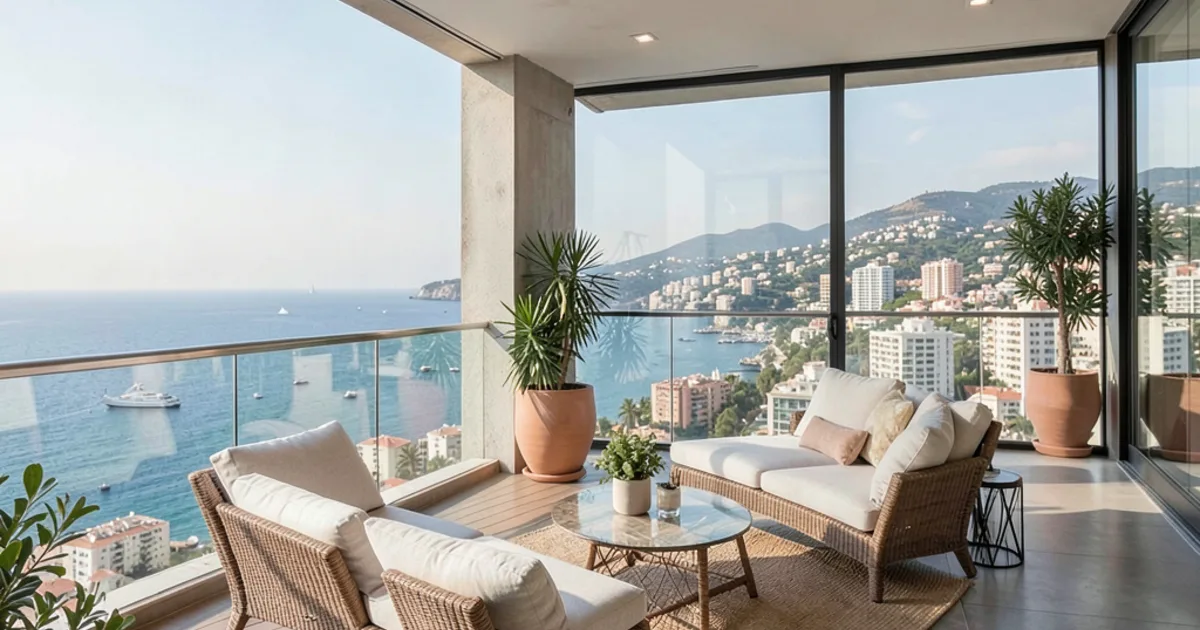
Relocating to Israel as an English speaker, whether as an immigrant (oleh) or an expat, presents a unique set of social and logistical challenges. While the country is a melting pot of cultures, finding a community where you feel understood and supported is essential for long-term success. This guide explores the best ways to locate English-speaking enclaves, navigate the educational landscape, and manage the complexities of Israeli real estate and integration.
- Understanding the Diverse Landscape of English-Speaking Communities
- Identifying Strategic Geographic Hubs for English Speakers
- Choosing the Right Educational Environment for Your Children
- Social Integration through Language and Community Centers
- Matching Neighborhoods to Lifestyle and Values
- Real Estate Strategies for English-Speaking Residents
- Navigating the Financial Realities of Moving
- Legal Essentials: From Tabu to the Binding Memorandum
- Managing Long-Term Property and Tax Obligations
- Practical Steps for a Successful Transition
Understanding the Diverse Landscape of English-Speaking Communities
The term 'Anglo' is often used in Israel to describe the vast and diverse group of English speakers arriving from the United States, United Kingdom, Canada, Australia, and South Africa. These individuals do not form a single monolithic group; rather, they represent a wide spectrum of religious, social, and economic backgrounds. Some seek tight-knit religious communities, while others look for cosmopolitan, secular urban centers that cater to international professionals.
Finding the right community often depends on your primary reason for moving. For those moving for religious purposes, communities in Jerusalem or certain northern settlements offer a high density of English-speaking institutions and social circles. Conversely, expats looking for a high-tech or business-oriented lifestyle might find more comfort in the central coastal plain, where English is frequently used in professional settings.
Social integration is significantly easier when you identify a micro-community that shares your core values. This might be a specific neighborhood, a local synagogue, or a group of families with similar school preferences. By understanding that 'English-speaking' can mean anything from a strictly religious enclave to a liberal, internationalist hub, you can narrow your search to a location that truly feels like home.
- Religious/Traditional Communities: High English density in synagogues and schools.
- Secular/Liberal Enclaves: Common in central coastal cities and high-tech hubs.
- Expat/Professional Hubs: Often found in urban centers with international business presence.
Identifying Strategic Geographic Hubs for English Speakers
Geography plays a massive role in how quickly you will integrate into Israeli life. The Central District, including cities like Ra'anana, Herzliya, and parts of Tel Aviv, is widely recognized for its high concentration of English speakers. These areas often provide a smoother transition for families due to the availability of international-style amenities and a more globalized atmosphere.
Jerusalem offers a completely different experience, serving as a primary hub for both religious and academic English speakers. In Jerusalem, you can find neighborhoods where English is spoken almost as fluently as Hebrew in daily social interactions. This is particularly true in areas surrounding major educational institutions or within established religious quarters where the community infrastructure is built around English-speaking needs.
While the center and Jerusalem are the most obvious choices, do not overlook the North and the South. The Galilee offers a more relaxed, nature-oriented lifestyle that attracts many English-speaking retirees and families seeking a slower pace. In the South, cities like Arad have historically hosted significant English-speaking populations, offering a unique community feel that can be hard to find in the more crowded metropolitan areas.
- Central District: Best for secular families and professionals (e.g., Ra'anana).
- Jerusalem: Ideal for religious, academic, and traditional communities.
- Northern/Southern Regions: Options for retirees and those seeking a quieter lifestyle.
Choosing the Right Educational Environment for Your Children
For many families, the decision of where to live is driven almost entirely by the school system. In Israel, the educational landscape is divided into state-run schools, private schools, and religious institutions. State schools focus heavily on Hebrew immersion, which is excellent for language acquisition but can be a significant adjustment for children who are exclusively English speakers.
Private and international schools often provide a curriculum that aligns more closely with Western standards, frequently using English as the primary medium of instruction. These schools are highly sought after by the expat and 'Anglo' communities, though they often come with higher tuition fees. Choosing such a school can provide a sense of continuity in your child's education during the transition period.
Religious schools, or 'Cheder' and similar institutions, offer a specialized curriculum that integrates Torah study with general subjects. In many English-speaking religious communities, these schools provide instruction in English to ensure students can engage with both their heritage and the modern world. It is vital to visit these institutions and speak with the administration to understand their specific approach to language and social integration.
- State Schools: Strong Hebrew immersion, managed by the Misrad HaChinuch.
- Private/International Schools: English-centric curriculum, often more expensive.
- Religious Schools: Specialized religious and academic instruction.
Social Integration through Language and Community Centers
Language is the most significant barrier to social integration, and the 'Ulpan' is your most valuable tool. An Ulpan is an intensive Hebrew language school designed specifically for immigrants. Beyond the linguistic benefits, Ulpans serve as vital social hubs where you can meet other newcomers facing the same challenges, creating an immediate support network.
Local community centers, known as 'Matnasim,' also play a crucial role in helping you connect with the local population. These centers offer a wide range of classes, from arts and crafts to fitness and technology, which can help you meet neighbors in a low-pressure environment. Engaging with a Matnasa allows you to move beyond the 'English-speaking bubble' and start building roots in the wider Israeli society.
While digital forums and social media groups can provide quick answers to practical questions, they should not replace physical presence. Joining local volunteer groups, community projects, or even regular visits to a local library can facilitate much deeper connections. True integration happens when you move from being an observer of the community to an active participant in its daily life.
Matching Neighborhoods to Lifestyle and Values
When searching for a home, it is important to distinguish between a city and a neighborhood. A city might be diverse, but a specific neighborhood may have a very distinct character that aligns with your lifestyle. For example, a city might be known for its high-tech industry, but the specific neighborhood you choose might be a quiet, residential area favored by families with young children.
Your personal values will dictate the 'feel' of your community. If you value a high degree of religious observance, you will want to look for neighborhoods where the local infrastructure, such as kosher availability and Shabbat observance, reflects that. Conversely, if you prefer a more liberal, secular lifestyle, you should target areas where social norms are more flexible and diverse.
It is often helpful to spend time in a potential neighborhood at different times of the day before committing to a purchase or a long-term lease. Observe the local atmosphere: Are people walking in the parks? Is there a sense of community in the local shops? This 'boots on the ground' approach is far more effective than relying solely on online listings or real estate brochures.
Real Estate Strategies for English-Speaking Residents
Finding a home in an English-speaking community often involves a choice between buying an existing apartment or developing land. For those looking to build a custom home, finding a plot of land requires a deep understanding of local zoning laws and the willingness to work with a developer. This path offers more autonomy but requires significantly more time, patience, and legal oversight.
If you are looking for a more immediate solution, searching for apartments in established English-speaking enclaves is the standard approach. In these areas, you may find a higher density of English-speaking neighbors, which can facilitate easier social integration. However, demand in these specific neighborhoods can be high, which may influence the market value and availability.
When evaluating property, always prioritize the long-term utility of the location. Consider the proximity to schools, the accessibility of transportation, and the availability of essential services. A home that is well-integrated into a community with established English-speaking infrastructure will almost always provide a higher quality of life for new residents.
- Buying Existing Property: Faster move-in, established neighborhood feel.
- Developing Land: Custom builds, requires more time and legal expertise.
- Key Considerations: Proximity to schools, transport, and community services.
Navigating the Financial Realities of Moving
Financial planning in Israel requires an understanding of several unique costs. One of the most significant is the 'Mashkanta,' or mortgage. Securing a mortgage from a local bank involves a rigorous process of credit checks and property valuations. It is essential to work with a professional who understands how international income and assets are viewed by Israeli lending institutions.
Another critical cost to account for is 'Mas Rekhisha,' the purchase tax. This tax is applied to real estate transactions and is calculated based on a progressive scale relative to the property's value. Failing to budget for this tax can lead to significant unexpected expenses during the closing process. It is a standard part of the transaction that must be factored into your initial budget.
Once you have moved in, you will be responsible for 'Arnona,' the annual municipal tax. This tax is used to fund local services like garbage collection, street lighting, and education. The rate of Arnona varies significantly depending on the municipality and the size and type of your property. Budgeting for these recurring costs is vital for maintaining a stable household in your new country.
Legal Essentials: From Tabu to the Binding Memorandum
The legal process of acquiring property in Israel is formal and requires careful attention to detail. The most important institution in this process is the 'Tabu,' the official land registry. Before any transaction, it is imperative to ensure that the property is correctly registered in the Tabu and that there are no liens or legal disputes associated with the title. This step protects you from purchasing property with unresolved legal issues.
Once a buyer and seller reach an agreement, they must sign a 'binding memorandum.' This document is the legal backbone of the transaction, outlining all the terms, conditions, and timelines of the sale. Because this document is legally enforceable, it is absolutely vital to have a qualified lawyer review it before you sign. A mistake in this document can have long-lasting and costly consequences.
Throughout the process, you will also interact with a notary for various official certifications and document authentications. While a real estate agent can facilitate the search and negotiation, they are not legal professionals. Always rely on a specialized attorney to handle the legal complexities of the contract and the transfer of ownership to ensure your investment is secure.
Managing Long-Term Property and Tax Obligations
Owning property in Israel is a long-term commitment that extends beyond the initial purchase. As your investment grows, you must be aware of the tax implications when it comes time to sell. The 'Mas Shevah,' or capital gains tax, is applied to the profit made on the sale of real estate. Understanding how this tax is calculated, and the various exemptions that may apply, is essential for effective wealth management.
Maintaining property also involves staying compliant with local municipal regulations and community standards. Whether it is managing repairs or navigating renovations, being aware of the local building codes is necessary. In many English-speaking communities, there may be specific neighborhood guidelines or homeowners' associations that you should familiarize yourself with to avoid disputes.
For those viewing property as an investment, it is wise to monitor the development trends in your specific area. Changes in local infrastructure, such as new transit lines or improved school facilities, can significantly impact property values. Staying informed about the local real estate market allows you to make educated decisions about when to hold, develop, or sell your assets.
Practical Steps for a Successful Transition
Successful integration into an Israeli community is a marathon, not a sprint. The first few months can feel overwhelming as you navigate everything from bureaucracy to language barriers. The key is to remain patient with yourself and the process. It is normal to feel like an outsider initially; the goal is to gradually build the layers of familiarity that lead to true belonging.
Actively seeking out opportunities to use Hebrew, even if you are not yet fluent, will accelerate your integration. The local community will respect the effort, and it will open doors to social circles that might otherwise remain closed. Combining your English-speaking support network with a proactive approach to local culture is the most effective way to bridge the gap.
Finally, remember to build a professional support system alongside your social one. Having a reliable lawyer, a trusted real estate professional, and a knowledgeable financial adviser will give you the peace of mind needed to focus on your new life. By securing your legal and financial foundations, you free yourself to truly enjoy the community and culture you have come to call home.
FAQ
Which areas are best for English-speaking families?
It depends on your lifestyle preferences. Central cities like Ra'anana are excellent for secular families, while Jerusalem offers much more for those seeking religious communities.
Get your personalised shortlist
Listings and up-to-date info, straight to your inbox, free, no obligation.
See land for sale →