Best Israeli cities for retirees looking for quiet communities
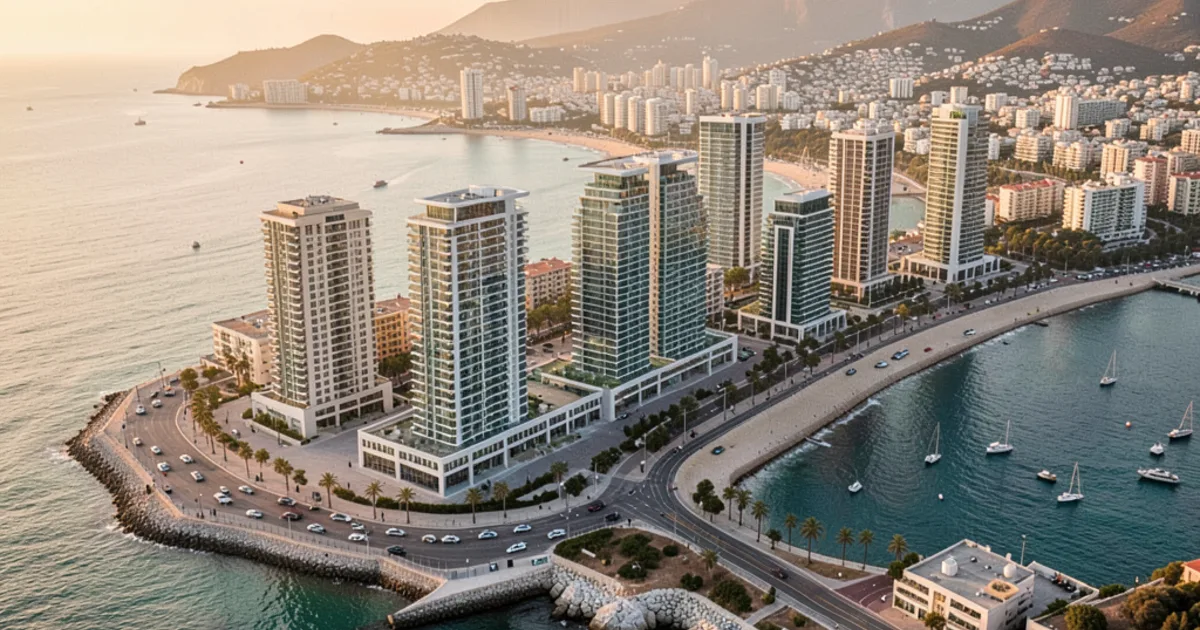
Retiring in Israel offers a unique blend of Mediterranean lifestyle, profound historical significance, and a highly developed healthcare system. For many, the search begins with finding a community that balances quiet residential living with easy access to essential services. This guide explores the most suitable regions for retirees, focusing on lifestyle, community atmosphere, and the critical real estate steps required to secure your future in the Holy Land.
Quick answer: The most affordable cities in Israel with established Jewish communities for retirees often include areas in the central and southern regions, such as parts of the Negev or smaller towns near major urban centers. These locations typically offer lower housing costs while maintaining access to community services and cultural amenities, making them practical choices for budget-conscious individuals seeking a quiet lifestyle.
- Understanding the Israeli Retirement Landscape
- Northern Retreats: Scenic and Serene Communities
- Central Israel: Balancing Convenience and Tranquility
- The Jerusalem Environs: Spiritual and Historical Quiet
- Coastal Living: The Mediterranean Lifestyle
- Critical Legal Steps: Protecting Your Investment
- The Financial Reality: Taxes and Municipal Fees
- Financing Your Israeli Home
- Integration and Language: Building a New Life
- Building vs. Buying: Developing Your Space
- Navigating Local Bureaucracy
- Conclusion: Finding Your Israeli Sanctuary
Understanding the Israeli Retirement Landscape
Retiring in Israel is a lifestyle transition that requires more than just finding a beautiful view. It involves integrating into a society that is both fast-paced and deeply rooted in community values. For many expatriates and locals alike, the priority is finding a location that offers a high quality of life without the overwhelming noise of the major metropolitan centers. This means looking for municipalities that prioritize green spaces, pedestrian-friendly streets, and a sense of local belonging.
Healthcare is perhaps the most critical component of this transition. Israel is home to several world-class healthcare providers, known as Kupot Cholim, which offer comprehensive coverage and highly skilled medical professionals. When selecting a city, it is vital to consider the proximity of these health funds and major medical centers to your prospective home. A quiet community is only truly peaceful if you have the assurance that medical assistance is never more than a short drive away.
Beyond physical health, social integration plays a massive role in long-term happiness. Many retirees find that moving to a community with an established international or English-speaking presence can ease the transition. However, the ultimate goal for many is to engage with the local culture, which often begins with learning the language and participating in local municipal activities. Balancing the comfort of familiarity with the excitement of new cultural experiences is the key to a successful retirement here.
- Prioritize proximity to major Kupot Cholim (health funds).
- Seek communities with active municipal social programs.
- Evaluate the balance between quiet residential areas and essential amenities.
Northern Retreats: Scenic and Serene Communities
The northern regions of Israel, particularly along the coastal hills and the Galilee, offer an unparalleled atmosphere for those seeking a slower pace of life. Towns such as Zichron Ya'akov are renowned for their boutique charm, historic stone architecture, and Mediterranean climate. These areas provide a sense of timelessness, where the days are marked by the scent of vineyards and the gentle sea breeze, making them ideal for those looking to escape the urban grind.
The Galilee offers a different kind of tranquility, characterized by lush greenery, rolling hills, and a deep connection to nature. While some areas can be more remote, many communities in this region have developed into sophisticated hubs that offer both peace and modern amenities. The lifestyle here is often centered around the outdoors, with access to hiking trails, local markets, and a community of artists and thinkers who value a quiet, contemplative existence.
Choosing a northern community also means considering the seasonal changes. While the summers are generally pleasant, the winters in the north can be more pronounced than in the coastal plains. However, for many retirees, the refreshing cool of the northern mountains is a significant draw. It is a region that rewards those who appreciate natural beauty and a lifestyle that encourages stepping away from the digital noise of modern life.
- Coastal northern towns offer a Mediterranean climate.
- The Galilee is ideal for nature enthusiasts and those seeking solitude.
- Boutique communities often feature historic architecture and local vineyards.
Central Israel: Balancing Convenience and Tranquility
For retirees who desire peace but are unwilling to sacrifice proximity to major economic and medical hubs, Central Israel is an excellent choice. Areas like Ramat HaSharon provide a high-end residential experience that is characterized by quiet, tree-lined streets and well-maintained public spaces. These cities offer a sophisticated urban-suburban hybrid, allowing residents to enjoy a serene home life while remaining just a short drive from the vibrant energy of the center.
The advantage of the central region lies in its unparalleled infrastructure. Access to top-tier hospitals, international airports, and diverse shopping centers is almost instantaneous. This is particularly beneficial for retirees who may require frequent medical check-ups or who wish to maintain an active social calendar involving travel and cultural events. The convenience of the central district reduces the logistical stress often associated with aging in a new country.
However, the central region does come with a higher cost of living and more competitive real estate markets. When looking at properties here, it is important to distinguish between the bustling commercial zones and the quiet residential pockets. Many retirees find success by targeting specific neighborhoods that are zoned for low-density housing, ensuring that their immediate environment remains calm and private despite being in the heart of the country.
- High accessibility to major medical centers and airports.
- Sophisticated residential neighborhoods with high service standards.
- A perfect middle ground for those who want quietude without isolation.
The Jerusalem Environs: Spiritual and Historical Quiet
The areas surrounding Jerusalem, such as the charming village of Ein Karem, offer a unique atmosphere that is both spiritual and incredibly peaceful. These communities are often built into the hillsides, providing breathtaking views and a sense of being elevated above the complexities of modern life. The stone architecture and narrow, winding streets create a village-like feel that is rare in the more modernized parts of the country.
Living in the Jerusalem periphery allows retirees to be close to the cultural and historical heart of Israel while maintaining a private sanctuary. The proximity to Jerusalem means that religious services, historical sites, and world-class museums are easily accessible, yet the immediate surroundings remain quiet and contemplative. This is an ideal setting for those who find peace in history and tradition.
One must be mindful of the topography when looking at properties in this region. The hilly terrain can make accessibility a challenge, so it is wise to look for homes with minimal stairs or those located on flatter sections of the municipality. Additionally, the Jerusalem climate can be quite different from the coast, with cooler winters and warmer summers, which should be factored into your lifestyle planning.
- Unique village atmosphere with historic stone architecture.
- Proximity to the cultural and spiritual center of the country.
- Breathtaking views and a sense of elevated seclusion.
Coastal Living: The Mediterranean Lifestyle
The Mediterranean coastline remains one of the most popular destinations for retirees, offering a lifestyle defined by the sea and a temperate climate. Cities like Netanya provide a robust infrastructure for older residents, with extensive promenades, seaside parks, and a large community of retirees who share similar interests. The rhythm of life here is often dictated by the sea breeze and the availability of outdoor activities.
Coastal cities are generally well-equipped with medical facilities and shopping hubs, making them highly functional for long-term living. The ease of movement along the coast allows for a lifestyle that includes frequent walks by the water, dining at seaside restaurants, and participating in community events. For many, the ability to walk to a local cafe or a pharmacy along a beautiful coastline is a significant quality-of-life factor.
When selecting a coastal home, consider the proximity to the beach versus the proximity to the main roads. While being near the water is a primary draw, the noise from coastal highways can sometimes detract from the quietness you may seek. Finding a residential pocket that is tucked away from the main tourist thoroughfares is the best way to enjoy the coastal lifestyle in peace.
- Direct access to seaside promenades and Mediterranean views.
- Well-established communities with significant retiree populations.
- A lifestyle centered around outdoor activities and coastal amenities.
Critical Legal Steps: Protecting Your Investment
Acquiring property in Israel requires a rigorous understanding of the local legal framework to ensure your investment is secure. The most important step is verifying the property's status in the Tabu, which is the official land registry. Ensuring that the seller is the true owner and that the property is free of any undisclosed liens or encumbrances is a fundamental task that should never be overlooked. A property that is not properly registered in the Tabu can lead to significant legal complications later.
Once you have identified a property, the process typically moves toward signing a binding memorandum, often referred to as a Hov Kniya. This document is a crucial legal instrument that outlines the terms of the sale, the payment schedule, and the responsibilities of both parties. It is absolutely essential to have a qualified lawyer review and draft this memorandum to ensure that your interests are protected and that all contingencies are clearly defined.
Due diligence should also extend to the physical and municipal aspects of the property. This includes checking for valid building permits and ensuring that any renovations or additions were conducted in accordance with local municipality regulations. A lawyer or a local real estate expert can help you navigate these complexities, preventing you from inheriting legal or financial liabilities from previous owners.
- Always verify property registration in the Tabu land registry.
- Never sign a binding memorandum without legal counsel.
- Confirm that all construction is permitted by the local municipality.
The Financial Reality: Taxes and Municipal Fees
Understanding the tax landscape is vital for effective long-term financial planning in Israel. When purchasing a property, you will be subject to Mas Rekhisha, or purchase tax. The rate of this tax can vary depending on whether the property is your primary residence and the total value of the transaction. It is important to factor this cost into your initial budget, as it is an immediate and non-negotiable expense.
Once you are settled, you will be responsible for paying Arnona, which is the annual municipal property tax. Arnona is calculated based on the size and type of the property and the specific municipality in which it is located. Because Arnona rates vary significantly between different cities and even between different neighborhoods within the same city, it is wise to research the expected annual cost before committing to a location.
Looking further ahead, you should also consider Mas Shevah, or capital gains tax, which applies when you eventually sell your property. While there are certain exemptions for a primary residence, understanding how this tax will impact your eventual exit strategy is crucial for managing your wealth. A comprehensive financial plan should account for these recurring and one-time tax obligations to ensure your retirement remains stable.
- Calculate Mas Rekhisha (purchase tax) as part of your upfront budget.
- Budget for annual Arnona (municipal tax) based on local rates.
- Plan for Mas Shevah (capital gains tax) regarding future property sales.
Financing Your Israeli Home
For many retirees, purchasing property may involve a Mashkanta, which is a mortgage. The Israeli mortgage market is well-developed, but it requires careful navigation of different interest rate structures and repayment terms. Whether you choose a fixed-rate or a variable-rate mortgage, it is essential to understand how market fluctuations might affect your monthly payments and your long-term financial security.
When applying for a Mashkanta, Israeli banks will look closely at your financial stability and your overall debt-to-income ratio. For those moving from abroad, providing clear documentation of your assets and income is key to a smooth application process. It is often beneficial to consult with a mortgage specialist who understands the specific needs of international clients and can help you secure the most favorable terms available.
It is also important to consider the long-term commitment of a mortgage. In retirement, liquidity is often a priority, so you must ensure that your mortgage payments do not disproportionately consume your monthly budget. Aim for a balance where you can enjoy your lifestyle while maintaining a comfortable buffer for unexpected expenses or medical needs.
- Evaluate different Mashkanta (mortgage) structures carefully.
- Ensure mortgage payments align with your retirement cash flow.
- Provide clear financial documentation to facilitate bank approvals.
Integration and Language: Building a New Life
Social integration is the cornerstone of a fulfilling retirement, and in Israel, this often begins with the language. While many people speak English, especially in tourist areas or high-end neighborhoods, learning Hebrew is the most effective way to truly connect with your neighbors and navigate daily life. Enrolling in an Ulpan, a specialized Hebrew language school, is a common and highly recommended step for new residents.
Beyond language, engaging with local community centers and municipal activities can help you build a social network. Many municipalities offer programs specifically designed for seniors, ranging from fitness classes to cultural lectures. These programs are not only excellent for staying active but also serve as a primary way to meet people in your new community and combat the isolation that can sometimes accompany relocation.
Don't be afraid to seek out groups of fellow expatriates or international retirees. These communities can provide a vital support system while you are still acclimating to the local culture. The goal is to create a social life that is a blend of both the familiar and the new, allowing you to feel at home in Israel while still maintaining your unique identity.
- Join an Ulpan to accelerate your Hebrew language skills.
- Participate in municipal programs designed for seniors.
- Balance local engagement with connections to international communities.
Building vs. Buying: Developing Your Space
When looking for a permanent home, you face a choice: buying an existing residence or purchasing a plot of land to develop your own home. Buying an existing villa or apartment is often faster and provides immediate familiarity with the neighborhood. However, it may require renovations to meet your specific needs for accessibility or layout, which can be both time-consuming and costly.
Purchasing land offers the ultimate freedom to design a home tailored to your retirement needs. You can ensure that the layout is optimized for aging in place, with wider doorways, no stairs, and specific ergonomic features. However, developing a home from scratch involves significant complexity, including obtaining permits from the municipality, managing construction, and dealing with various contractors.
If you choose the development route, it is essential to conduct thorough research on the land's zoning and development potential. Not all land is suitable for residential construction, and some plots may have restrictions that limit what you can build. Working with a professional developer or a specialized architect can help mitigate these risks and ensure that your vision for a custom retirement haven becomes a reality.
- Buying an existing home offers immediate move-in capability.
- Developing on land provides customization for aging-in-place needs.
- Construction requires careful management of permits and contractors.
Navigating Local Bureaucracy
The administrative side of living and investing in Israel can be complex. From interacting with the municipality for property taxes to dealing with a notary for legal documents, understanding the bureaucratic landscape is essential. It is helpful to view these processes as part of the integration process, rather than just hurdles to overcome.
A notary is often required for various official tasks, such as certifying signatures on legal documents or translating certain papers. While you may encounter many administrative requirements, having a organized approach to your documentation, keeping all property, tax, and legal papers in a central, accessible location, will save you significant stress in the long run.
The municipality (Iriya) is your primary point of contact for local services, from waste management to zoning information. Building a respectful and proactive relationship with local officials and service providers can often make navigating local regulations much easier. Remember that most municipal processes are standardized, and being patient and well-prepared will help you move through them efficiently.
- Utilize a notary for official document certification.
- Maintain organized records of all property and tax documents.
- Engage proactively with the local municipality (Iriya).
Conclusion: Finding Your Israeli Sanctuary
Choosing the best city in Israel for your retirement is a deeply personal decision that depends on your priorities regarding lifestyle, healthcare, and community. Whether you are drawn to the scenic hills of the North, the convenience of the Center, or the spiritual peace of the Jerusalem outskirts, there is a community that can meet your needs. The key is to look beyond the initial beauty and consider the practicalities of daily living.
By approaching the process with careful due diligence, verifying the Tabu, understanding the tax implications of Mas Rekhisha and Arnona, and planning for your Mashkanta, you can build a foundation of security. This preparation allows you to focus on what truly matters: enjoying the vibrant culture, the stunning landscapes, and the warmth of the Israeli people.
Retirement in Israel is not just about finding a place to live; it is about finding a place to thrive. With the right planning and a focus on both community and convenience, you can create a peaceful, fulfilling, and secure chapter of your life in this remarkable country.
FAQ
What is the importance of the Tabu in Israeli real estate?
The Tabu is the official land registry that confirms legal ownership of a property. Checking the Tabu is essential to ensure the seller has the right to sell and that there are no hidden legal claims or debts against the land.
How does Arnona affect my retirement budget?
Arnona is a municipal property tax that you must pay to your local city or town. The cost varies based on the property's size and the municipality's specific tax rates, so you should research the local rates before choosing a city.
Should I buy an existing home or land to build on?
Buying an existing home is generally faster and easier, but it may not be perfectly suited to your needs. Buying land allows for complete customization, which is excellent for designing an accessible home, but it involves more complex construction and permitting processes.
Is learning Hebrew necessary for retirees in Israel?
While you can survive in many areas using English, learning Hebrew is highly beneficial for true integration. It helps you navigate medical appointments, interact with local officials, and build deeper connections with your neighbors.
Get your personalised shortlist
Listings and up-to-date info, straight to your inbox, free, no obligation.
See land for sale →