What are the differences in building regulations between a moshav and a kibbutz for a private home?
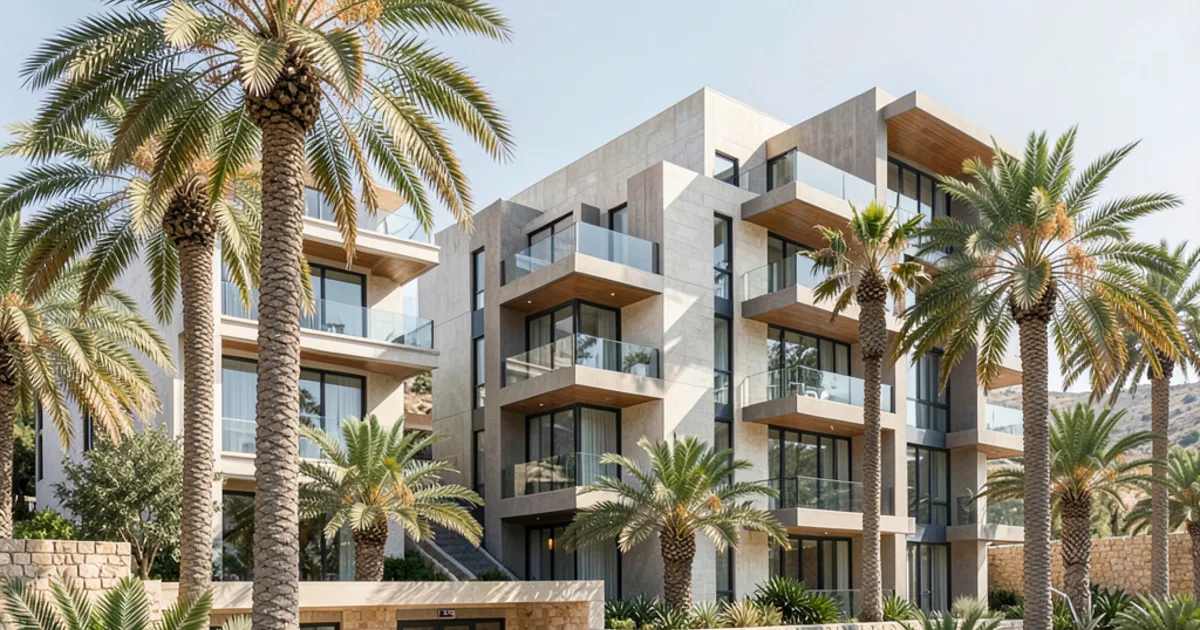
Building a private home in Israel, especially within the unique frameworks of a moshav or kibbutz, presents a distinct set of challenges and opportunities. Prospective homeowners, investors, and developers often find themselves navigating a labyrinth of regulations, land ownership structures, and community-specific bylaws that differ significantly from urban or standard rural areas. This in-depth article aims to demystify the building regulations governing private residences in moshavim and kibbutzim, offering a comparative analysis to help you make informed decisions and understand the nuances of land use and development in these distinctive Israeli communities.
- Understanding the Fundamental Differences: Moshav vs. Kibbutz Land Ownership
- Navigating the Israel Land Authority (ILA) and its Role in Building
- Local Planning and Building Committees: The Gateway to Construction
- Community Bylaws and Aesthetic Guidelines: More Than Just Regulations
- Infrastructure and Development Costs: Who Pays for What?
- Financing Your Dream Home: Mortgage and Tax Implications
- The 'Ulpan' and Community Acceptance Process
- Environmental Considerations and Agricultural Land Preservation
- The Role of Architects and Legal Counsel Specializing in Rural Properties
- Future Development and Expansion Potential
- The Importance of Due Diligence: A Summary of Key Steps
Understanding the Fundamental Differences: Moshav vs. Kibbutz Land Ownership
The bedrock of building regulations in a moshav versus a kibbutz lies in their foundational land ownership and usage models. A moshav, historically a cooperative agricultural settlement, typically grants its members a long-term leasehold on a specific plot of land, known as a 'nahala,' from the Israel Land Authority (ILA). While the land is not owned outright in 'Tabu' (full title deed) by the individual, the rights to develop and reside on it are extensive and inheritable, creating a strong sense of personal property within a communal framework.
Conversely, a traditional kibbutz operates on a collective ownership model, where all land and assets historically belonged to the community as a whole. In recent decades, many kibbutzim have undergone processes of privatization or 'renewal,' which has introduced new models for private housing and land allocation. These changes often involve long-term lease agreements for individual homes or plots, but the overarching communal ownership structure still influences the extent of individual autonomy in building and development decisions.
These divergent ownership philosophies directly impact the legal and practical aspects of obtaining building permits, financing construction, and even the eventual sale of a property. Understanding whether you are dealing with a leasehold from the ILA, a lease from the kibbutz itself, or a more direct path to Tabu registration (which is rarer in these contexts) is crucial from the outset. This initial distinction sets the stage for all subsequent building and development processes.
The legal framework underpinning these land arrangements is complex, often involving specific government decisions and resolutions pertaining to agricultural land and cooperative settlements. Prospective buyers or builders must thoroughly investigate the specific land status of any plot in question, differentiating between 'agricultural land,' 'residential expansion land,' or 'industrial zones' within the community. Each classification carries its own set of development rights and restrictions.
Navigating the Israel Land Authority (ILA) and its Role in Building
The Israel Land Authority (ILA), or 'Minhal Mekarkei Yisrael,' plays a pivotal role in almost all land-related transactions and building permits within both moshavim and many kibbutzim. As the custodian of the vast majority of Israel's land, the ILA dictates the terms of leasehold agreements, approves changes in land use, and levies various fees associated with development. For a private home in a moshav, the individual typically holds a direct lease agreement with the ILA, which outlines the permissible uses for the property.
When planning to build or significantly expand a home, securing ILA approval is often a prerequisite, even before approaching the local planning committee. This involves submitting detailed plans and demonstrating compliance with the terms of the lease. The ILA may impose specific conditions related to the size, density, and character of the construction, particularly if it involves converting agricultural land or expanding beyond existing residential boundaries. These conditions are designed to maintain the agricultural character of some moshavim and prevent uncontrolled sprawl.
For kibbutzim undergoing privatization, the ILA's involvement can be even more intricate. The kibbutz itself may have a master lease with the ILA for the entire community's land, and individual members then enter into sub-leases with the kibbutz, which are often subject to ILA oversight and approval. This multi-layered lease structure adds another layer of bureaucracy and necessitates careful coordination between the individual, the kibbutz, and the ILA.
Understanding the specific ILA resolutions that apply to the moshav or kibbutz in question is vital. These resolutions, such as Resolution 1213 or 979 (though numbers can change), define the terms for residential expansion, the transfer of land rights, and the fees associated with such transactions. Consulting with a legal expert specializing in ILA land issues is highly recommended to navigate these complexities effectively.
Local Planning and Building Committees: The Gateway to Construction
Regardless of whether you are in a moshav or a kibbutz, all building projects must obtain approval from the local planning and building committee, known as the 'Va'ada Mekomit.' This committee is responsible for enforcing national planning laws, regional master plans ('Totar'), and local bylaws specific to the settlement. Their approval is the final hurdle before you can physically begin construction, and it involves a rigorous review of architectural plans, structural integrity, and adherence to zoning regulations.
In a moshav, the local committee will assess your plans against the moshav's specific master plan, which dictates building lines, maximum heights, permissible building materials, and density. They will also ensure compliance with fire safety codes, accessibility standards, and environmental regulations. The process typically involves submitting detailed architectural drawings, engineering calculations, and various surveys, often requiring several rounds of revisions based on committee feedback.
For a kibbutz, particularly one that has undergone privatization, the local committee's review process is similar but may also incorporate additional layers of internal kibbutz approval. The kibbutz management committee often has its own set of aesthetic guidelines, community character standards, and even environmental policies that prospective builders must adhere to. This means that even after securing ILA and local planning committee approvals, there might be internal kibbutz hurdles to clear.
The timeline for obtaining building permits can vary significantly, ranging from several months to over a year, depending on the complexity of the project and the efficiency of the local committee. Engaging a local architect who is familiar with the specific regulations and informal expectations of the moshav or kibbutz can significantly streamline this process and prevent costly delays.
Community Bylaws and Aesthetic Guidelines: More Than Just Regulations
Beyond the formal governmental regulations, both moshavim and kibbutzim often have their own internal bylaws and unwritten aesthetic guidelines that significantly influence building decisions. These community-specific rules are designed to preserve the unique character, social fabric, and visual harmony of the settlement. Ignoring them can lead to friction with neighbors and even delays in obtaining internal community approvals, which are often necessary even after official permits are granted.
In a moshav, while individual property rights are more pronounced, there can still be expectations regarding the overall appearance of homes, landscaping, and even fencing. Some moshavim have guidelines on the maximum height of fences, the types of trees that can be planted, or the general architectural style that is encouraged or discouraged. These are often discussed and agreed upon by the general assembly of the moshav and can be legally binding through the moshav's cooperative charter.
Kibbutzim, even privatized ones, tend to have more stringent community bylaws. These can dictate everything from the color palette of exterior walls, the type of roofing materials, to the placement of air conditioning units. The goal is to maintain a cohesive visual identity and prevent individual homes from detracting from the collective aesthetic. Prospective builders may need to present their plans to a community committee for approval, ensuring they align with the kibbutz's vision.
These bylaws are not always explicitly written in a single document but can be part of the community's 'binding memorandum' or general assembly resolutions. Engaging with the community leadership and neighbors early in the planning process can help you understand these unwritten rules and avoid potential conflicts. It's about respecting the communal spirit and shared vision of the settlement, which is a key aspect of living in these unique communities.
Infrastructure and Development Costs: Who Pays for What?
Building a private home involves significant infrastructure costs, and understanding who bears these expenses is crucial. These costs include connecting to water, electricity, sewage, drainage, and communication networks, as well as contributions to roads and public lighting. The allocation of these costs can differ substantially between moshavim and kibbutzim, and even within different settlements of the same type.
In a moshav, the homeowner typically bears the direct costs of connecting their individual property to the existing infrastructure lines. However, contributions to upgrading or expanding the moshav's general infrastructure (e.g., a new sewage plant, road widening) may be levied as a one-time fee or through increased 'Arnona' (municipal property tax) rates. These fees can be substantial and should be factored into the overall budget.
For kibbutzim, especially those undergoing a residential expansion or privatization, the situation can be more complex. The kibbutz itself might be responsible for developing the primary infrastructure for new residential areas, and then passes on these costs to new members or homeowners through a development fee or a premium on the land lease. This fee can be an upfront payment or spread over several years, often tied to the 'Mashkanta' (mortgage) if applicable.
It is imperative to obtain a detailed breakdown of all expected infrastructure and development levies from the moshav/kibbutz secretariat and the local municipality. These fees can include 'Heitlei Pituch' (development levies), 'Dmei Hityashvut' (settlement fees), and other contributions. Some of these fees are subject to VAT ('Ma'am'), adding another layer of cost. A clear understanding of these financial obligations is essential for accurate budgeting and avoiding unexpected expenses during the building process.
Financing Your Dream Home: Mortgage and Tax Implications
Securing financing for a private home in a moshav or kibbutz can present unique challenges compared to purchasing a property with a clear Tabu title deed in an urban area. Banks generally prefer collateral that is easily transferable and has a well-defined market value. While a 'Mashkanta' (mortgage) is certainly possible, the nature of the land lease can influence the terms and conditions offered by lenders.
In a moshav, where the individual holds a long-term leasehold from the ILA, banks are generally willing to provide mortgages, but they will scrutinize the lease agreement carefully. The duration of the lease, the remaining years, and the terms of renewal are critical factors. A lease with a shorter remaining term might lead to less favorable mortgage conditions or require a larger down payment. The bank will also assess the property's market value within the moshav context, which can be influenced by community bylaws and the specific demand for homes in that area.
For homes in kibbutzim, particularly those where the land is still collectively owned or individual leases are with the kibbutz itself, obtaining a standard bank mortgage can be more challenging. Some banks may require additional guarantees from the kibbutz or offer specialized mortgage products tailored to these unique situations. It's often advisable to work with a mortgage broker who specializes in rural properties and understands the intricacies of kibbutz land arrangements.
Tax implications are also a significant consideration. 'Mas Rekhisha' (purchase tax) applies to the acquisition of land rights or a home, and the calculation can be complex depending on the nature of the transaction (e.g., transfer of leasehold, purchase of an existing home). 'Mas Shevah' (capital gains tax) will be relevant upon the sale of the property, and its calculation will also depend on the original purchase terms and any improvements made. Consulting with a tax advisor specializing in real estate is crucial to understand and plan for these financial obligations, both at the time of purchase and potential sale.
The 'Ulpan' and Community Acceptance Process
A unique aspect of joining many moshavim and kibbutzim, especially if you are not a direct descendant of a founding member, is the 'Ulpan' or community acceptance process. This is not a building regulation per se, but it is an absolute prerequisite to being granted the right to build and reside in the community. The Ulpan is essentially a social screening process designed to ensure that new members integrate well into the existing social fabric and share the community's values.
The Ulpan typically involves a series of interviews with a reception committee, psychological assessments, and sometimes a trial period of residency. The committee evaluates your suitability based on criteria such as your professional background, family values, willingness to contribute to community life, and understanding of the settlement's unique character. This process can be lengthy and emotionally demanding, but it is a fundamental gateway to becoming a recognized member.
For moshavim, successfully completing the Ulpan grants you membership in the moshav cooperative and the right to lease a residential plot or 'nahala.' Without this membership, even if you purchase an existing home, you might not be entitled to the full rights and services of the moshav. In kibbutzim, the Ulpan is even more central to the integration process, often leading to full membership and the right to participate in communal decision-making.
It's important to approach the Ulpan with genuine interest in community life and a willingness to adapt. The community acceptance process is a two-way street; it allows you to assess if the community is the right fit for you, and it allows the community to assess your potential contribution. Early engagement with existing members and understanding the community's expectations are key to a successful Ulpan.
Environmental Considerations and Agricultural Land Preservation
Environmental regulations and the preservation of agricultural land are significant factors in building within moshavim and kibbutzim. Israel places a high priority on protecting its limited natural resources and agricultural areas, and this is reflected in strict planning policies. Building permits often come with specific environmental conditions, particularly concerning sewage treatment, waste disposal, and water management, especially in areas with sensitive ecosystems.
Many moshavim and kibbutzim are located on or adjacent to agricultural land, which is subject to specific protections under national planning laws. Converting agricultural land for residential use is a complex process and is generally restricted to designated expansion areas. Even within these areas, there can be limitations on the size and type of construction to minimize impact on the surrounding agricultural landscape. This means that expanding your property beyond a certain footprint might be impossible or require extensive justification and permits.
Builders must adhere to strict regulations regarding storm drainage, soil erosion prevention, and the protection of local flora and fauna. In some cases, environmental impact assessments ('Tavnit Svivatit') may be required for larger projects or those in ecologically sensitive zones. These assessments evaluate the potential environmental consequences of the proposed development and suggest mitigation measures.
The emphasis on sustainability and preserving the rural character of these settlements means that innovative building practices and eco-friendly materials are often encouraged. Understanding and complying with these environmental regulations is not just a legal requirement but also often aligns with the values of the communities themselves, contributing to a more harmonious integration into the natural surroundings.
The Role of Architects and Legal Counsel Specializing in Rural Properties
Given the multifaceted nature of building regulations in moshavim and kibbutzim, engaging the right professionals is not just advisable, but often essential. An architect with specific experience in designing homes in these unique communities can navigate the local planning committees, understand the nuances of community bylaws, and design a home that fits both your vision and the regulatory framework. They will be familiar with the 'Totar' (master plans) and local building codes.
Legal counsel specializing in rural property law, ILA leases, and cooperative settlement regulations is equally critical. Such an attorney can review the intricate land lease agreements, clarify your rights and obligations, assist with the Ulpan process, and represent your interests in dealings with the ILA or the moshav/kibbutz administration. They can help you understand the 'binding memorandum' and any specific agreements related to your plot.
These specialists can help you understand the financial implications beyond the direct construction costs, such as 'Heitlei Hashbacha' (betterment levies) that might be imposed by the local authority if your property value increases due to changes in zoning or master plans. They can also advise on the implications of transferring land rights or selling your property in the future, which can be more complex than in standard urban settings.
Their expertise can save you significant time, money, and potential legal headaches. They are adept at interpreting the often-dense legal language of ILA resolutions and local bylaws, ensuring that your building project proceeds smoothly and in full compliance with all relevant regulations, both governmental and communal.
Future Development and Expansion Potential
When planning to build or purchase a home in a moshav or kibbutz, it's important to consider not just the immediate building regulations but also the potential for future development and expansion. The long-term vision for the settlement, ILA policies, and the local master plan can all impact your ability to enlarge your home, add structures, or even subdivide your plot down the line.
In many moshavim, while the initial residential plot may have a specific building envelope, there can be provisions for future expansion within the existing leasehold, often up to a certain maximum size or footprint. However, any significant addition will require new permits and adherence to the prevailing regulations at that time. Changes in ILA policy regarding 'Hagana al HaKarka HaChaklai' (protection of agricultural land) can also affect future expansion possibilities.
For kibbutzim, future expansion potential is often more tightly controlled by the community itself. New building phases or additional dwelling units are typically part of a broader kibbutz master plan and require collective approval. The ability to add a separate unit for an adult child ('yechida didurit') or expand the main residence will depend on specific kibbutz policies and available land resources.
Before committing to a property, inquire about the settlement's long-term development plans, any proposed changes to the master plan, and the historical precedent for expansions. Understanding the 'Tabu' registration status of the land, whether it's a 'Hakhzaka' (possession) or something closer to full ownership rights, will also inform your long-term flexibility. This forward-looking perspective is crucial for making a sound long-term investment and ensuring your home can adapt to your family's evolving needs.
The Importance of Due Diligence: A Summary of Key Steps
Undertaking thorough due diligence is paramount when considering building or buying a home in a moshav or kibbutz. This involves a multi-faceted investigation into the legal, financial, and communal aspects of the property and the settlement. Rushing this process can lead to unforeseen complications and significant financial losses, making a structured approach essential.
Firstly, obtain and meticulously review all relevant legal documents: the specific ILA lease agreement or sub-lease from the kibbutz, the moshav's cooperative charter or kibbutz's binding memorandum, and any existing building permits for the property. These documents will outline the exact rights and restrictions associated with the land and existing structures. Verify the 'Tabu' registration details to understand the precise nature of the land rights.
Secondly, engage with the local planning and building committee ('Va'ada Mekomit') to understand the current master plan ('Totar') and specific zoning regulations for the plot. Inquire about any pending changes to these plans or any known restrictions that might impact your building intentions. Obtain clear documentation of all expected 'Heitlei Pituch' (development levies) and other fees.
Finally, immerse yourself in the community. Speak with current residents, understand the 'Ulpan' or acceptance process, and gain insight into the social dynamics and unwritten rules. Attend community meetings if possible. This holistic approach ensures that you are not only compliant with all regulations but also prepared for the unique lifestyle and communal responsibilities that come with living in a moshav or kibbutz.
By carefully executing these due diligence steps, you can mitigate risks, anticipate challenges, and ultimately make a well-informed decision that aligns with your building aspirations and long-term goals in these distinctive Israeli communities.
FAQ
Can I get full Tabu ownership of land in a moshav or kibbutz?
Full Tabu ownership is rare, especially for residential plots, as most land is ILA-owned and leased. Some privatized kibbutzim might offer closer to full ownership, but long-term leaseholds are the norm, granting extensive rights without direct ownership.
What is the 'Ulpan' process and is it mandatory for all new residents?
The 'Ulpan' is a community acceptance process involving interviews and assessments to ensure new members fit the community's social fabric. It's mandatory for most new residents not inheriting membership, and crucial for gaining the right to build and integrate.
Are there specific architectural styles I must adhere to in these communities?
Yes, many moshavim and kibbutzim have unwritten or explicit aesthetic guidelines and bylaws regarding architectural style, building materials, and landscaping. These aim to preserve the community's unique character and visual harmony, requiring adherence during planning.
How do building regulations affect the resale value of a private home in a moshav or kibbutz?
Building regulations, land lease terms, and community bylaws can significantly impact resale value. Properties with clear and long-term ILA leases, and those that comply with community aesthetics, generally have better marketability, but the specific community's desirability also plays a large role.
What are the main financial differences in building costs between a moshav and a kibbutz?
Financial differences often stem from land acquisition models and infrastructure contributions. Moshav homeowners typically pay direct ILA lease fees and municipal development levies, while kibbutzim might charge broader development fees or premiums on sub-leases, often bundled by the community itself.
Get your personalised shortlist
Listings and up-to-date info, straight to your inbox, free, no obligation.
See land for sale →