What are the essential steps for an American retiree to purchase land and build a single-family home in Zichron Yaakov?
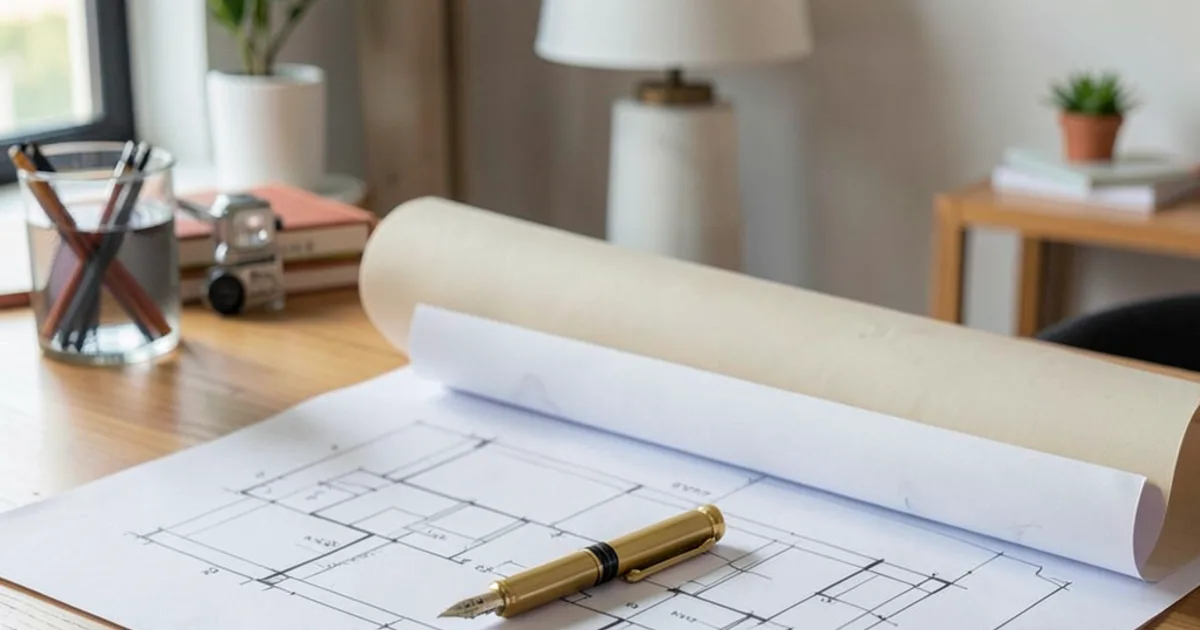
For many American retirees, the allure of Zichron Yaakov, with its picturesque vineyards, rich history, and vibrant community, presents an idyllic vision for their golden years. The prospect of building a custom home on their own piece of land in this charming Israeli town offers a unique blend of personal fulfillment and cultural immersion. However, navigating the Israeli real estate market, especially for land acquisition and new construction, requires a clear understanding of specific legal, financial, and logistical processes. This comprehensive guide from LandIsrael aims to demystify these steps, providing a clear roadmap for American retirees embarking on this exciting journey.
- Understanding the Unique Appeal of Zichron Yaakov for Retirees
- Initial Planning and Assembling Your Expert Team
- Navigating Land Acquisition in Zichron Yaakov
- Understanding Israeli Property Taxes and Fees
- Financing Your Land and Construction: Mortgages and Funds
- The Architectural Design and Permitting Process
- Selecting a Contractor and Commencing Construction
- Connecting Utilities and Obtaining Occupancy Permits
- Navigating Daily Life and Integration in Zichron Yaakov
- Important Considerations for American Citizens
- Long-Term Management and Potential for Investment
Understanding the Unique Appeal of Zichron Yaakov for Retirees
Zichron Yaakov holds a special place in the hearts of many, particularly those seeking a tranquil yet engaging retirement. Its historical significance, stemming from its founding by Baron Edmond de Rothschild, imbues the town with a unique character, blending old-world charm with modern amenities. The beautiful landscapes, including rolling hills and proximity to the Mediterranean coast, offer a serene environment conducive to a relaxed lifestyle.
Beyond its aesthetic appeal, Zichron Yaakov boasts a thriving community known for its welcoming atmosphere and diverse population. Retirees often find it easy to integrate, with various cultural activities, local markets, and a strong sense of community spirit. The town's reputation for excellent local wines and culinary experiences further enhances its desirability, providing ample opportunities for leisure and enjoyment.
For American retirees, the established infrastructure, including access to medical facilities, shopping, and transportation, provides a comfortable transition. The slower pace of life compared to larger cities, combined with its accessibility to major urban centers when desired, strikes an ideal balance. This unique combination of history, natural beauty, and community makes Zichron Yaakov a prime location for building a dream retirement home.
Initial Planning and Assembling Your Expert Team
Before even beginning to search for land, a thorough initial planning phase is crucial. This involves defining your vision for the home, its size, style, number of rooms, and specific features, as well as establishing a realistic budget that accounts for land purchase, construction, taxes, and unforeseen expenses. Understanding your financial capacity upfront will guide all subsequent decisions.
Assembling a trusted team of professionals is paramount for a successful outcome, especially when navigating a foreign real estate and construction environment. This team should ideally include a bilingual real estate attorney specializing in Israeli property law, a reputable real estate agent with local expertise in Zichron Yaakov, and a qualified architect familiar with Israeli building codes and regulations. These individuals will be your primary guides throughout the entire process.
Additionally, it is highly advisable to engage a financial advisor who understands both US and Israeli tax implications for foreign property ownership and retirement funds. An experienced contractor or project manager, identified early in the process, will also be essential for overseeing the construction phase. This multi-disciplinary team approach ensures that all aspects, from legalities to design and construction, are expertly managed.
Navigating Land Acquisition in Zichron Yaakov
The search for suitable land in Zichron Yaakov requires diligence and local expertise. Your real estate agent will be instrumental in identifying available plots that meet your criteria and budget. It's important to understand that land in Israel can be categorized in various ways, such as private land (Tabu) or land leased from the Israel Land Authority (ILA), each with its own implications. Most land available for private construction in Zichron Yaakov will be registered in the Tabu.
Once a potential plot is identified, thorough due diligence is non-negotiable. Your attorney will conduct a comprehensive check of the Tabu (land registry) to verify ownership, ensure there are no liens, mortgages, or encumbrances on the property, and confirm its precise boundaries. They will also review the local zoning plan (תכנית מתאר מקומית - Tochnit Matar Mekomit) for Zichron Yaakov to understand the permissible building rights, such as maximum buildable area, height restrictions, and setbacks. This step is critical to ensure the land is suitable for your intended home.
Negotiating the purchase price and terms is the next step. Once an agreement is reached, a binding memorandum of understanding (זיכרון דברים - Zichron Devarim) is often signed, outlining the key terms before a full purchase agreement. This memorandum is usually legally binding, so it's crucial for your attorney to review it thoroughly. The purchase agreement itself will detail payment schedules, conditions precedent, and the transfer of ownership. Foreign currency exchange rates and transfer fees should also be factored into your financial planning for the land purchase.
- Verify land ownership and encumbrances via Tabu.
- Review local zoning plans for building rights.
- Negotiate purchase price and terms.
- Sign a binding memorandum (Zichron Devarim).
- Execute the full purchase agreement.
Understanding Israeli Property Taxes and Fees
Purchasing land and building a home in Israel involves several significant taxes and fees that American retirees must factor into their budget. The primary tax on land purchase is Mas Rekhisha (Purchase Tax). This tax is levied on the buyer and its rate can vary based on the buyer's residency status (Israeli citizen vs. foreign resident) and whether it's their first property in Israel. For non-residents or those purchasing a second property, the rates are generally higher and are applied progressively.
Beyond the purchase tax, there are other associated costs. Legal fees for your attorney, real estate agent commissions, and valuation fees for the property are standard. When building, you will also encounter various municipal fees and levies, including Arnona (municipal property tax), which is an annual tax based on the size and location of the property. There are also development levies (היטלי פיתוח - Heitalei Pituach) that may be charged by the municipality for connecting to infrastructure like water, sewage, and roads, particularly for new construction.
It is crucial to understand potential future tax implications as well. If you decide to sell the property in the future, you may be subject to Mas Shevah (Capital Gains Tax) on any profit made from the sale. Your financial advisor and attorney can provide detailed guidance on these taxes, help with proper structuring, and ensure compliance with both Israeli and US tax laws, potentially mitigating double taxation through existing treaties. Proper planning here can lead to significant savings and prevent unexpected financial burdens.
Financing Your Land and Construction: Mortgages and Funds
Financing a land purchase and construction project in Israel as an American retiree can be approached in several ways. While many retirees may choose to fund their purchase through existing savings or the sale of assets in the US, understanding the Israeli mortgage market (Mashkanta) is still beneficial. Israeli banks do offer mortgages to foreign residents, though the terms and conditions may differ from those offered to Israeli citizens.
Securing a Mashkanta typically involves a more stringent application process for foreign buyers, often requiring a higher down payment compared to local borrowers. Banks will assess your financial stability, income sources, and credit history. It is advisable to consult with several Israeli banks and mortgage brokers specializing in foreign residents to compare interest rates, loan-to-value ratios, and repayment terms. The process can be lengthy, so initiating discussions early is recommended.
Alternatively, many American retirees opt to use funds from US-based retirement accounts or other investments. It is imperative to consult with a financial advisor specializing in international taxation to understand the most tax-efficient way to transfer funds to Israel and to navigate any reporting requirements in both countries. Exchange rate fluctuations can also impact the final cost, so careful timing and hedging strategies might be considered. Having a clear financial strategy for funding both the land purchase and the subsequent construction is absolutely essential before committing to any property.
The Architectural Design and Permitting Process
Once the land is secured, the exciting phase of architectural design begins. Your chosen architect will translate your vision into detailed plans, ensuring compliance with Zichron Yaakov's specific building codes, zoning regulations, and aesthetic guidelines. This involves creating floor plans, elevations, sections, and site plans. Collaboration with your architect is key to ensure the design meets your lifestyle needs, budget, and integrates seamlessly with the plot's characteristics and local environment.
Following the design phase, the architect will prepare the comprehensive set of plans required for obtaining a building permit (היתר בנייה - Heter Bniya) from the local municipality. This is a multi-stage process that can be complex and time-consuming. The plans must be submitted to the local planning and building committee (ועדה מקומית לתכנון ובנייה - Va'ada Mekomit Le'Tichnun U'Bniya) for review and approval. This committee assesses the plans against zoning laws, structural integrity, safety regulations, and environmental considerations.
The permitting process often involves various approvals from different municipal departments, including fire safety, sanitation, and infrastructure connections. There may be opportunities for public objections, though less common for single-family homes on private land. Patience is crucial during this stage, as it can take several months, or even longer, to secure all necessary approvals. Your architect and attorney will be instrumental in navigating this bureaucratic maze, ensuring all documentation is correctly submitted and addressing any queries from the authorities.
Selecting a Contractor and Commencing Construction
With the building permit in hand, the next critical step is selecting a reputable and experienced contractor. This person or company will be responsible for bringing your architectural plans to life. It is highly recommended to obtain multiple bids from different contractors, ensuring they have a proven track record specifically in building single-family homes in Israel, and ideally, in the Zichron Yaakov area. Request references and visit their previous projects to assess the quality of their work.
A detailed construction contract is essential. This contract, reviewed by your attorney, should clearly outline the scope of work, payment schedules (typically milestone-based), timelines, materials specifications, warranties, and penalties for delays. It should also specify how changes to the plans (שינויים - Shinuyim) will be handled and priced. Transparency and clear communication throughout the construction phase are vital to avoid misunderstandings and disputes.
Throughout the construction process, regular oversight and quality control are paramount. Your architect and/or a designated project manager should conduct periodic site visits to ensure the work adheres to the approved plans and specifications. It's also wise to consider independent inspections at key stages. Maintaining open lines of communication with your contractor and addressing issues promptly will contribute significantly to a smooth construction process and a successful outcome.
Connecting Utilities and Obtaining Occupancy Permits
As construction nears completion, attention turns to connecting essential utilities and obtaining the necessary occupancy permits. Your contractor, in coordination with your architect, will be responsible for arranging connections to electricity (חברת חשמל - Hevrat Hashmal), water (תאגיד מים - Ta'agid Mayim), and sewage systems. This often involves final inspections by the respective utility companies to ensure compliance with their standards.
Once all construction work is completed and utility connections are confirmed, the final step before you can move in is obtaining the Tofes 4 (טופס 4), or Occupancy Permit. This permit is issued by the local municipality after a final inspection confirms that the building has been constructed according to the approved plans and meets all safety and regulatory requirements. Without a Tofes 4, the property cannot be legally occupied.
The process for obtaining the Tofes 4 involves submission of final documentation by your architect and contractor, including engineer's certifications and approvals from various municipal departments. It's a critical administrative step that signifies the legal completion and readiness of your new home. Ensure your team manages this process efficiently to avoid delays in moving into your dream home in Zichron Yaakov.
Navigating Daily Life and Integration in Zichron Yaakov
Moving into a new home in a new country involves more than just property acquisition; it's also about integrating into the local community and adapting to a new lifestyle. For American retirees, Zichron Yaakov offers a supportive environment. Engaging with local residents, participating in community events, and exploring the town's offerings are excellent ways to settle in. Many retirees find value in joining local clubs or volunteer organizations.
Learning Hebrew, even at a basic conversational level, can significantly enhance your daily life and integration. There are numerous ulpan (intensive Hebrew language) programs available throughout Israel, including options for seniors, which can also serve as a great way to meet new people. While English is widely spoken in many areas, a grasp of Hebrew will deepen your connection to the culture and ease interactions with local services and businesses.
Familiarizing yourself with local customs, public transportation options, and healthcare services (through the various Kupat Holim health funds) are practical steps for a smooth transition. Zichron Yaakov is well-connected and offers a range of services, but understanding how to access them efficiently will contribute to a comfortable retirement. Embrace the unique pace and charm of Zichron Yaakov, and you'll find it a rewarding place to call home.
Important Considerations for American Citizens
For American retirees, an important consideration is navigating the tax implications of owning property and residing in Israel while maintaining US citizenship. The US has a citizenship-based taxation system, meaning American citizens are generally required to report their worldwide income to the IRS, regardless of where they live. This includes potential income from rental properties or capital gains from sale, even if taxed in Israel.
It is highly advisable to consult with a tax professional specializing in US-Israel taxation for expatriates. They can help you understand your filing obligations, potential foreign tax credits to avoid double taxation, and reporting requirements for foreign bank accounts (FBAR). Proper planning can ensure compliance with both countries' tax laws and prevent future complications.
Additionally, consider estate planning implications. Israeli inheritance laws differ from those in the US, and it's essential to have a will that is valid in both jurisdictions to ensure your assets are distributed according to your wishes. Discussing these matters with your attorney and financial advisor well in advance will provide peace of mind and simplify matters for your heirs.
Long-Term Management and Potential for Investment
Even after your home is built and you've settled in, consider the long-term management aspects of your property. This includes ongoing maintenance, property insurance, and continued payment of municipal taxes like Arnona. You might also consider hiring a property management company if you plan to travel frequently or wish to delegate these responsibilities. Proactive maintenance will preserve your investment and ensure your home remains a comfortable haven.
While the primary goal for many retirees is personal residence, owning land and a home in a desirable location like Zichron Yaakov also presents potential for long-term investment. The Israeli real estate market, particularly in sought-after areas, has historically shown resilience and appreciation. Keeping abreast of local market trends and property values can be beneficial, even if you don't intend to sell in the near future.
Should your circumstances change, or you decide to downsize or relocate, understanding the process for selling property in Israel, including potential Mas Shevah (Capital Gains Tax) and other selling costs, will be important. Your initial team of legal and financial advisors can continue to offer guidance on these matters, ensuring your investment remains sound and any future transactions are handled efficiently.
FAQ
Do I need to be an Israeli citizen to buy land and build a home in Zichron Yaakov?
No, American retirees do not need to be Israeli citizens to purchase land and build a home. Foreign residents are permitted to own property in Israel, although the purchasing process and associated taxes, such as Mas Rekhisha (Purchase Tax), may differ from those for Israeli citizens.
How long does the typical building permit process take in Zichron Yaakov?
The building permit process (Heter Bniya) can vary significantly but generally takes several months, often ranging from six months to over a year. This depends on the complexity of the plans, the efficiency of the local planning committee, and the need for approvals from various municipal departments.
What is Tabu, and why is it important when buying land in Israel?
Tabu refers to the Israeli Land Registry, which officially records all property ownership, liens, mortgages, and other encumbrances on land. It is crucial because a thorough Tabu check by your attorney verifies the legal ownership of the land and ensures there are no unforeseen legal issues that could impede your purchase or future construction.
Are there specific challenges for American retirees getting a mortgage in Israel?
Yes, obtaining a Mashkanta (mortgage) in Israel as an American retiree can present challenges compared to Israeli citizens. Foreign buyers typically face more stringent requirements, including higher down payments and a more extensive review of their financial history and income sources. Consulting with banks specializing in foreign residents is advisable.
Get your personalised shortlist
Listings and up-to-date info, straight to your inbox, free, no obligation.
See land for sale →