What are the best neighborhoods in Tel Aviv for buying a small plot to build a boutique hotel?
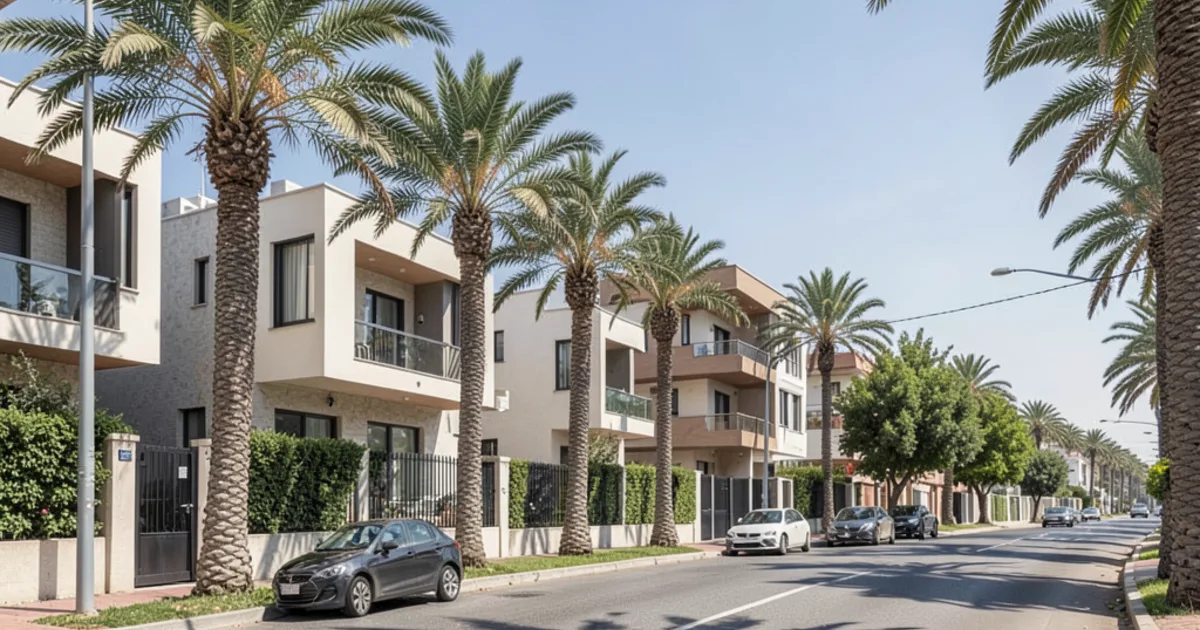
Tel Aviv, a vibrant metropolis pulsating with culture, innovation, and an ever-growing influx of tourists and business travelers, presents a unique opportunity for discerning real estate investors. The demand for intimate, character-filled accommodations continues to outpace supply, making the development of boutique hotels an increasingly attractive venture. For those looking to capitalize on this niche, the strategic acquisition of a small plot of land is the critical first step. This comprehensive guide, crafted by the experts at LandIsrael, delves into the best neighborhoods in Tel Aviv for buying such a plot, offering invaluable insights into the local market dynamics, regulatory landscape, and practical considerations for a successful boutique hotel project.
- Why Tel Aviv is Ripe for Boutique Hotel Development
- Understanding the Tel Aviv Real Estate Market for Commercial Development
- Neve Tzedek: Historic Charm Meets Upscale Boutique Potential
- The White City (Bauhaus District): Architectural Icon for Modern Luxury
- Florentin: Bohemian Chic and Emerging Investment Hotspot
- Old Jaffa (Yafo): Timeless Allure and Mediterranean Views
- The Binding Memorandum and Due Diligence: Your First Steps
- Navigating Israeli Taxation and Financing for Commercial Property
- The Permitting Process: A Marathon, Not a Sprint
- Community Integration and Local Engagement
- Long-Term Vision: Holding, Developing, and Investing
Why Tel Aviv is Ripe for Boutique Hotel Development
Tel Aviv's global appeal is undeniable. Ranked among the world's most innovative cities and a burgeoning tech hub, it attracts a diverse array of visitors, from leisure tourists drawn to its Mediterranean beaches and vibrant nightlife to entrepreneurs and business delegates attending international conferences. This constant flow creates a sustained demand for varied accommodation options, particularly those offering a personalized, authentic experience that large chain hotels often cannot provide. Boutique hotels, by their very nature, cater to this desire for uniqueness and local immersion.
The city's urban fabric, characterized by a blend of historic architecture and modern design, lends itself perfectly to the boutique hotel concept. Many existing buildings, particularly in older neighborhoods, offer the structural charm and inherent character that can be transformed into distinctive hospitality spaces. Furthermore, ongoing urban renewal projects and municipal initiatives supporting tourism infrastructure signal a favorable environment for new developments, encouraging investment in this sector.
Beyond tourism, Tel Aviv is a cultural powerhouse, hosting countless festivals, art exhibitions, and culinary events throughout the year. This rich calendar ensures a consistent influx of visitors seeking high-quality, centrally located accommodations. Investors who can successfully integrate a hotel's design and services with the local cultural narrative will find a receptive and appreciative clientele, driving both occupancy rates and positive reviews. The city's 'never-sleeps' ethos guarantees activity year-round, unlike more seasonal destinations.
Understanding the Tel Aviv Real Estate Market for Commercial Development
Navigating the Tel Aviv real estate market for commercial development, especially for a boutique hotel, requires a nuanced understanding of local regulations and market trends. Unlike residential purchases, commercial ventures often involve more complex zoning laws, building permits, and a longer approval process. It's crucial to engage with local architects, urban planners, and legal counsel who specialize in commercial property development to streamline these procedures and avoid costly delays.
Property values in Tel Aviv are consistently strong, reflecting the city's desirability and limited land availability. While this means a higher initial investment, it also indicates a robust market with significant potential for appreciation. Investors should conduct thorough due diligence, including market analysis of comparable boutique hotels, projected occupancy rates, and revenue per available room (RevPAR) in their target neighborhoods. This data-driven approach will inform realistic financial projections and strengthen investment proposals.
The concept of 'small plot' in Tel Aviv can be relative. Due to the city's density, even a seemingly modest parcel of land can command a substantial price. The key is to identify plots that, despite their size, offer sufficient buildable area and favorable zoning for a multi-story structure. Some plots might come with existing dilapidated buildings that can either be renovated extensively or demolished to make way for new construction, each option presenting its own set of budgetary and regulatory considerations.
Neve Tzedek: Historic Charm Meets Upscale Boutique Potential
Neve Tzedek, Tel Aviv's first Jewish neighborhood outside Jaffa, exudes an undeniable historic charm and sophisticated ambiance, making it an exceptional candidate for a boutique hotel. Its narrow, picturesque streets are lined with beautifully restored Bauhaus and eclectic style buildings, many of which house art galleries, designer boutiques, and gourmet restaurants. The area attracts a discerning clientele seeking an authentic, yet luxurious, Tel Aviv experience.
Acquiring a small plot or an existing property for renovation in Neve Tzedek can be challenging due to its protected status and high demand. However, the potential return on investment is significant. A boutique hotel here would benefit from the neighborhood's established reputation as an upscale cultural destination, drawing guests who appreciate its unique character and proximity to attractions like the Suzanne Dellal Center for Dance and Theater, and the vibrant Rothschild Boulevard. Properties here often come with inherent architectural beauty that can be leveraged in the hotel's design.
Zoning in Neve Tzedek often involves preservation committees, meaning new construction or significant renovations must adhere to strict aesthetic guidelines to maintain the area's historic integrity. While this can add layers to the approval process, it also ensures the neighborhood retains its appeal, safeguarding future property values and the unique atmosphere that guests seek. The rarity of available plots only enhances the value of a successful project in this coveted location.
The White City (Bauhaus District): Architectural Icon for Modern Luxury
The White City, a UNESCO World Heritage site, is renowned for its unparalleled collection of Bauhaus architecture. This area, primarily encompassing the central boulevards like Rothschild, Allenby, and Dizengoff, offers a distinct architectural appeal that can be masterfully integrated into a modern boutique hotel concept. Guests are often drawn to the unique design aesthetic and the vibrant urban energy of this central district, placing them at the heart of Tel Aviv's cultural and commercial activity.
Developing a boutique hotel within the White City often involves the meticulous restoration and conversion of an existing Bauhaus building. This approach not only preserves architectural heritage but also allows for the creation of truly unique spaces that blend historic elegance with contemporary design and amenities. The challenge lies in navigating preservation regulations while implementing modern infrastructure and luxury finishes, demanding a specialized architectural and construction team.
The White City's central location provides excellent connectivity to public transportation, major business districts, and popular tourist attractions. Hotels here benefit from consistent year-round demand from both business travelers and tourists eager to experience Tel Aviv's iconic architecture and lively urban pulse. While land parcels are exceedingly rare, the opportunity to transform a historic building into a high-end boutique accommodation offers immense prestige and profit potential. Investors should look for properties that may be currently underutilized but possess significant architectural merit.
Florentin: Bohemian Chic and Emerging Investment Hotspot
Florentin, once a gritty industrial zone, has transformed into Tel Aviv's bohemian heart, attracting artists, young professionals, and creative entrepreneurs. Its vibrant street art, independent galleries, bustling cafes, and unique nightlife create an energetic atmosphere that appeals to a younger, trend-conscious demographic. This neighborhood offers a more edgy, authentic Tel Aviv experience, making it an exciting prospect for a boutique hotel targeting a specific niche.
Compared to Neve Tzedek or the White City, Florentin may offer more accessible entry points for plot acquisition, though prices are steadily rising. The area's ongoing gentrification means that properties here often present opportunities for significant value creation through thoughtful development. A boutique hotel in Florentin could capitalize on the neighborhood's artistic vibe, offering uniquely designed rooms, communal spaces, and perhaps even a ground-floor gallery or performance venue, catering to guests seeking an immersive cultural experience.
While still retaining some of its industrial character, Florentin is undergoing continuous urban renewal, with new residential and commercial projects emerging. Investors should look for plots that are well-situated within the more developed parts of the neighborhood, ensuring good access to amenities and attractions. The regulatory environment here might be slightly less restrictive than in historically preserved areas, potentially offering more flexibility in design, while still requiring adherence to municipal building codes. The area's proximity to Jaffa also adds to its appeal.
Old Jaffa (Yafo): Timeless Allure and Mediterranean Views
Old Jaffa, with its ancient port, winding alleyways, and stunning Mediterranean views, offers an unparalleled setting for a boutique hotel. This historic city, now seamlessly integrated into Tel Aviv, exudes a timeless charm that attracts visitors seeking a blend of history, culture, and coastal beauty. A boutique hotel here would promise guests an evocative experience, steeped in thousands of years of history and folklore, combined with modern luxury.
Developing in Old Jaffa often involves the sensitive restoration of ancient stone buildings, some with archaeological significance. This requires a deep understanding of preservation laws and a commitment to integrating historical elements with contemporary design. The breathtaking sea views and unique architectural character of Jaffa command premium rates, making the significant investment worthwhile for a truly distinctive property. Guests are often willing to pay for the unique ambiance and panoramic vistas.
While plots for new construction are exceptionally rare, opportunities may arise through the acquisition of existing, often dilapidated, structures that can be meticulously renovated. The process can be complex, involving archeological surveys and strict building codes, but the end result is a property with immense character and desirability. A boutique hotel in Old Jaffa would attract a sophisticated clientele drawn to its romantic atmosphere, vibrant flea market, and proximity to excellent seafood restaurants and cultural sites.
The Binding Memorandum and Due Diligence: Your First Steps
Once a promising plot is identified, the initial legal step is often the signing of a 'binding memorandum' (Zichron Devarim). While not always a full contract, this document can be legally binding and outlines the basic terms of the agreement, including the property description, price, payment schedule, and target closing date. It's imperative that prospective buyers engage an experienced Israeli real estate lawyer to review or draft this document to protect their interests from the outset, as it can commit parties to significant obligations.
Thorough due diligence is non-negotiable. This involves verifying the property's legal status through the Tabu (Israel Land Registry) to ensure clear title, checking for any liens, mortgages (Mashkanta), or encumbrances. Your lawyer will also review the zoning plan (תב"ע - TABA) to confirm that the plot is zoned for commercial use, specifically for a hotel, and to understand the permissible building rights, including height, density, and permitted uses. This prevents costly surprises later in the development process.
Beyond legal checks, practical due diligence includes assessing the physical condition of the land or existing structure, conducting soil tests if building new, and evaluating access to utilities. Understanding the potential for construction challenges, such as difficult terrain or proximity to protected historical sites, is crucial for accurate budgeting and timeline planning. Engaging an independent surveyor and a structural engineer for these assessments is highly recommended to provide an objective evaluation.
Navigating Israeli Taxation and Financing for Commercial Property
Purchasing commercial property in Israel involves several significant taxes. The primary one is 'Mas Rekhisha' (Purchase Tax), which is levied on the acquisition of real estate. For commercial properties, this tax typically falls within a higher percentage bracket compared to residential properties, and it's essential to factor this substantial cost into your overall budget from the earliest stages. Rates can vary, so consulting with a tax advisor specializing in Israeli real estate is crucial for precise calculations.
Should you eventually sell the developed hotel property, 'Mas Shevah' (Capital Gains Tax) will be applicable on the profit generated from the sale. The calculation of capital gains can be complex, taking into account the original purchase price, permitted expenses (including construction costs and certain taxes), and depreciation. Strategic tax planning with an Israeli tax expert is vital to optimize your financial outcomes and understand the long-term implications of your investment.
Financing a commercial development, especially for a boutique hotel, often involves a combination of equity and commercial mortgages (Mashkanta). Israeli banks offer various financing solutions for commercial projects, but they typically require a substantial equity contribution from the investor, often a higher percentage than for residential properties. Demonstrating a robust business plan, strong financial projections, and a clear understanding of the local market will be critical in securing favorable loan terms. Exploring alternative financing avenues, such as private lenders or investment funds, may also be beneficial, particularly for unique or higher-risk projects.
The Permitting Process: A Marathon, Not a Sprint
Obtaining building permits in Tel Aviv, particularly for a commercial structure like a boutique hotel, is a multi-stage process that demands patience and meticulous preparation. The journey typically begins with submitting a preliminary plan to the local planning and building committee, followed by detailed architectural and engineering plans. Each submission undergoes rigorous review by various municipal departments, including zoning, infrastructure, fire safety, and environmental protection. This can be a lengthy process, often taking many months, or even longer for complex projects.
Engaging a local architect and project manager with a proven track record in Tel Aviv commercial developments is paramount. They possess the critical understanding of local regulations, bureaucratic nuances, and established relationships within the municipal system that can significantly expedite the process. Their expertise in preparing compliant plans and navigating potential objections from neighbors or government bodies is invaluable, minimizing costly revisions and delays.
Beyond the initial building permit, developers will also need to secure various operational licenses before the hotel can open its doors, including business licenses, tourism ministry approvals, and fire safety certifications. These final permits ensure the property meets all necessary health, safety, and operational standards. It's advisable to factor in ample time for these approvals post-construction, as they are crucial for legal operation and can sometimes be a final hurdle.
Community Integration and Local Engagement
A successful boutique hotel isn't just about the building; it's about integrating seamlessly into the local community and offering an authentic experience. Engaging with neighborhood associations, local businesses, and residents early in the development process can foster goodwill and provide invaluable insights into the area's unique character and needs. This proactive approach can help mitigate potential objections to construction and ensure the hotel becomes a welcome addition, rather than an intrusive presence.
Consider how your boutique hotel can contribute positively to the neighborhood. This might involve sourcing local produce for your restaurant, collaborating with local artists for interior design, or offering employment opportunities to residents. A hotel that genuinely embraces its surroundings and supports local initiatives is more likely to thrive, gaining a reputation for authenticity and community spirit, which resonates strongly with today's travelers.
Understanding the local culture and language is also beneficial. While many Israelis speak English, making an effort to learn some Hebrew, perhaps through an 'ulpan' (Hebrew language school), can significantly enhance your interactions with local authorities, contractors, and future staff. This cultural sensitivity fosters stronger relationships and demonstrates a genuine commitment to becoming a part of the Tel Aviv fabric, which can be a significant advantage in both development and operation.
Long-Term Vision: Holding, Developing, and Investing
Investing in a boutique hotel in Tel Aviv should be viewed as a long-term strategic play. The city’s consistent growth, coupled with its limited land supply, suggests robust appreciation potential for well-located and well-managed commercial properties. While the initial development phase can be intensive, the enduring value of a successful boutique hotel in a prime Tel Aviv neighborhood can yield substantial returns, both through operational profits and capital appreciation.
Beyond the immediate operational success, consider the potential for future expansion or diversification. As the area evolves, there might be opportunities to acquire adjacent parcels, expand amenities, or even convert parts of the property to other commercial uses, subject to zoning. Maintaining flexibility in your long-term vision allows you to adapt to market changes and maximize the asset's potential over time, ensuring continued relevance and profitability.
Finally, for international investors, having a trusted local partner like LandIsrael is invaluable. We provide not just market insights but also guidance through the intricate legal, financial, and cultural landscape of Israeli real estate. Our expertise helps you navigate challenges, identify opportunities, and ensure your investment journey in Tel Aviv is as smooth and successful as possible, from initial plot acquisition to the grand opening of your bespoke boutique hotel.
FAQ
What is the average timeline for obtaining building permits for a boutique hotel in Tel Aviv?
The timeline can vary significantly, but generally, expect the process to take anywhere from one to several years, depending on the complexity of the project, the specific neighborhood's regulations (e.g., preservation areas), and the efficiency of plan submissions and revisions. Engaging experienced local professionals can help streamline this.
Are there specific government incentives for developing hotels in Tel Aviv?
The Israeli government and the Ministry of Tourism occasionally offer incentives or grants for hotel development, particularly in areas deemed strategic or for projects that meet certain criteria, such as increasing tourism capacity. It's crucial to consult with relevant authorities and local experts to understand any current programs that might apply to your project.
What are the typical equity requirements for a commercial mortgage (Mashkanta) for a hotel project?
While precise figures are not fixed, commercial mortgages in Israel generally require a higher equity contribution from the investor compared to residential loans, often in the range of 30-50% or more of the project's total cost. This percentage can vary based on the bank, the project's risk profile, and the investor's financial strength.
How important is local language proficiency for a foreign investor in Tel Aviv real estate?
While many Israelis speak English, having some Hebrew proficiency can be a significant advantage, particularly when dealing with local contractors, suppliers, and municipal authorities. It fosters better communication, builds trust, and demonstrates a commitment to integrating into the local culture. Engaging a local team for project management and legal counsel is also crucial.
Get your personalised shortlist
Listings and up-to-date info, straight to your inbox, free, no obligation.
See land for sale →