Is it better to buy an existing home or purchase land and build for a family with young children in Netanya?
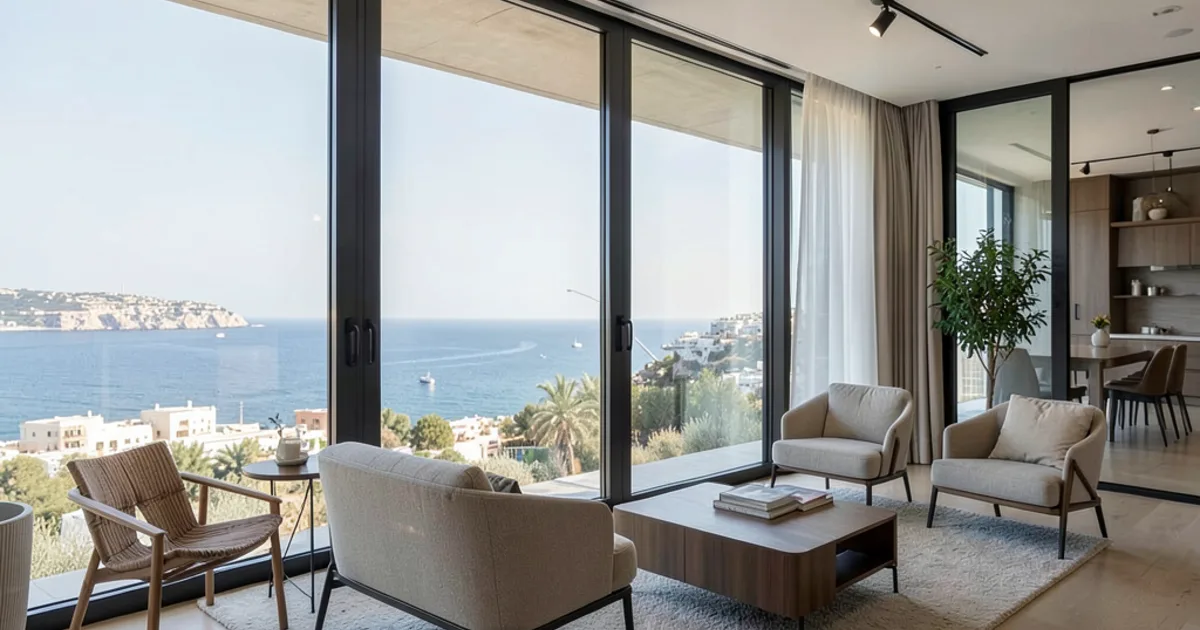
Relocating to Netanya with a young family presents a unique set of considerations, not least of which is the fundamental choice between purchasing an existing, ready-to-move-in home and acquiring a plot of land to build your dream residence. This decision carries significant implications for your family's budget, timeline, lifestyle, and long-term satisfaction. As expert advisors at LandIsrael, we understand the complexities of the Israeli real estate market and aim to provide a comprehensive, nuanced analysis to guide you through this crucial juncture, specifically tailored for families with young children seeking to establish roots in the vibrant coastal city of Netanya.
Quick answer: Buying an existing home in Netanya offers immediate move-in convenience and lower upfront costs for families with young children. Purchasing land and building provides full customization of the layout and finishes but involves a longer timeline and higher initial financial commitment.
- Understanding the Netanya Real Estate Landscape for Families
- The Appeal of Buying an Existing Home: Immediate Gratification and Predictability
- The Allure of Building from Scratch: Customization and Long-Term Vision
- Navigating the Financial Landscape: Costs and Taxes in Israel
- Timeline and Process: Patience vs. Expediency
- Legal and Regulatory Frameworks: Due Diligence is Key
- Lifestyle and Family Dynamics: Immediate vs. Future Needs
- Investment Potential and Future Value Considerations
- The Role of Professionals: Architects, Contractors, and Legal Counsel
- Considering the 'Ulpan' and Integration for Immigrant Families
- Making the Final Decision: A Family-Centric Approach
Understanding the Netanya Real Estate Landscape for Families
Netanya, with its beautiful beaches, growing infrastructure, and family-friendly atmosphere, has become an increasingly popular destination for both local and international families. The city offers a diverse range of neighborhoods, each with its own character, proximity to schools, parks, and amenities crucial for young children. Understanding the general supply and demand dynamics, as well as the types of properties available, forms the bedrock of any informed decision-making process.
Existing homes in Netanya span a wide spectrum, from older apartments requiring renovation to modern, recently constructed villas and townhouses. The availability of these properties fluctuates, influenced by market cycles and new development projects. Families often prioritize locations close to reputable schools, playgrounds, and community centers, which can drive up demand and prices in specific areas.
Conversely, plots of land, particularly those suitable for single-family homes, can be scarcer and command a premium, especially in well-established or sought-after neighborhoods. Undeveloped land often requires more extensive due diligence regarding zoning regulations, infrastructure access, and potential building restrictions. This initial assessment is paramount to avoid unforeseen complications and costs down the line.
The Appeal of Buying an Existing Home: Immediate Gratification and Predictability
One of the most compelling advantages of purchasing an existing home, particularly for families with young children, is the immediate gratification it offers. Once the transaction is complete and the keys are in hand, your family can move in relatively quickly, minimizing the disruption often associated with relocation. This 'turnkey' solution means less stress during a period when children thrive on routine and stability.
Existing homes also provide a greater degree of financial predictability. The purchase price is generally fixed, and while there might be minor cosmetic updates or repairs, the major structural components are already in place. This allows families to budget more accurately for their initial housing costs and avoids the potential for budget overruns that can plague new construction projects. You can often see and assess the precise condition of the property, including its wear and tear, before committing.
Furthermore, existing homes are typically situated in established neighborhoods with mature infrastructure, including schools, parks, and public transportation. This means that services and amenities are already in place, and the community dynamics are well-defined. For families, this can translate into easier integration into local life, immediate access to educational facilities, and a sense of belonging from day one, which is invaluable for children adjusting to a new environment.
- Immediate occupancy, reducing interim housing costs and stress.
- Known costs; less financial uncertainty regarding construction expenses.
- Established neighborhoods with existing infrastructure (schools, parks, services).
- Ability to view and assess the property's condition directly before purchase.
The Allure of Building from Scratch: Customization and Long-Term Vision
For many families, the dream of building a home from the ground up on a plot of land in Netanya represents the ultimate customization opportunity. This path allows you to design a home that perfectly aligns with your family's specific needs, preferences, and lifestyle. From the number of bedrooms and bathrooms to the layout of living spaces, kitchen design, and garden features, every element can be tailored to create an ideal environment for raising young children.
New construction can also incorporate modern building standards, energy-efficient technologies, and contemporary architectural styles. This often translates into lower utility bills, reduced maintenance costs in the initial years, and a healthier living environment. For families concerned about environmental impact or seeking the latest smart home features, building new offers unparalleled control over these aspects.
While the process is undoubtedly more involved, building a home can be a deeply rewarding experience, resulting in a property that truly feels like 'yours' from the ground up. It's an opportunity to create a legacy, a home designed to evolve with your family as your children grow. The satisfaction of seeing your vision come to life, knowing every detail was chosen by you, is a significant draw for many.
- Complete customization of layout, design, and features to suit family needs.
- Integration of modern building standards, energy efficiency, and smart home technology.
- Potential for lower maintenance costs and utility bills in the initial years.
- The satisfaction of creating a bespoke home and a long-term family legacy.
Navigating the Financial Landscape: Costs and Taxes in Israel
The financial implications of both options are substantial and require careful consideration within the Israeli context. When buying an existing home, the primary costs include the purchase price, Mas Rekhisha (purchase tax), legal fees, and real estate agent commissions. Mas Rekhisha rates are progressive and depend on the property value and whether it's your only home in Israel. For families, understanding these tax brackets is crucial for accurate budgeting.
Building a home introduces a more complex financial equation. Beyond the cost of the land itself, you'll face expenses for architectural design, engineering plans, permits, construction materials, labor, and supervision. There will also be development fees to the municipality for connecting to infrastructure (water, electricity, sewage). While you might save on Mas Rekhisha for the land portion compared to a finished home of similar value, the cumulative costs of construction can often exceed initial estimates.
Securing financing, typically through a Mashkanta (mortgage), is a critical step for both scenarios. Israeli banks assess mortgage eligibility based on income, down payment, and the property's value. For new construction, banks often disburse funds in stages as construction progresses, requiring careful cash flow management. It's essential to factor in all these costs, including potential interest rate fluctuations, when making your decision.
- Existing Home: Purchase price, Mas Rekhisha (purchase tax), legal fees, agent commissions.
- Building: Land cost, architectural/engineering fees, permits, construction materials/labor, development fees, supervision.
- Mashkanta (mortgage) financing considerations, including staged disbursements for new builds.
- Understand progressive Mas Rekhisha rates, especially for families purchasing their first or second property.
Timeline and Process: Patience vs. Expediency
The timeline is a significant differentiator between buying an existing home and building. Purchasing an existing home, while involving legal processes like securing a binding memorandum and registering the deed in Tabu (the Israeli land registry), can often be completed within a few months. This relatively quick turnaround is highly advantageous for families needing to establish themselves without prolonged uncertainty, especially if children need to start school in Netanya.
Building a new home, conversely, is a multi-stage process that can easily extend over a year, and often longer, from land acquisition to final occupancy. This includes obtaining planning permissions, architectural design, securing contractors, construction itself, and final inspections. During this period, families often need to arrange temporary housing, which adds to both financial and logistical burdens, potentially impacting the children's stability.
The permitting process in Israel, while streamlined in some areas, can still be complex and time-consuming. Navigating municipal regulations, zoning laws, and obtaining various approvals requires patience and professional guidance. Delays can arise from unforeseen site conditions, material shortages, or bureaucratic hurdles, all of which can push back the completion date and inflate costs. Families must be prepared for this extended commitment.
Legal and Regulatory Frameworks: Due Diligence is Key
Regardless of whether you buy an existing home or land, robust legal due diligence is non-negotiable in Israel. For an existing home, this involves verifying the property's registration in Tabu, checking for liens or encumbrances, reviewing the building permits, and ensuring all taxes and municipal charges (like Arnona, property tax) are up to date. A lawyer specializing in real estate is indispensable here to protect your interests and ensure a clean title.
When purchasing land for construction, the due diligence becomes even more critical. You must verify the land's zoning designation (e.g., residential, agricultural), permitted building percentages, height restrictions, and any limitations on the type of construction. It's also vital to confirm access to essential infrastructure and ensure there are no environmental or historical preservation issues that could hinder development.
The process of obtaining building permits (Heter Bniya) from the local municipality involves submitting detailed plans by a licensed architect and engineer. This can be a protracted process, and any deviation from approved plans can lead to significant penalties or even demolition orders. Engaging experienced professionals, lawyers, architects, and project managers familiar with Netanya's specific regulations, is paramount to navigate these complexities successfully and avoid costly mistakes.
Lifestyle and Family Dynamics: Immediate vs. Future Needs
For families with young children, the choice between an existing home and building can profoundly impact daily life. An existing home often means an immediate community, established playgrounds, and familiar routes to schools. The predictability of an existing home can provide a sense of security and routine for young children, which is often highly valued during transitional periods. You can quickly settle into the rhythms of Netanya life.
Building a home, while offering the promise of a perfectly tailored environment, demands significant parental time and attention during the construction phase. This can divert focus from daily family life and create additional stress. Children might experience prolonged disruption due to temporary housing arrangements or the general upheaval of a building project. However, the eventual reward is a home designed specifically to foster family growth, with spaces for play, study, and shared experiences.
Consider your family's tolerance for disruption and your capacity to manage a complex project alongside raising young children. If time and ease of transition are paramount, an existing home might be the more suitable choice. If you have the patience, resources, and a strong vision for a custom-built environment that will serve your family for decades, then building could be the more fulfilling path, despite the initial challenges.
Investment Potential and Future Value Considerations
Both existing homes and newly built properties in Netanya offer potential for appreciation, though their investment profiles can differ. Existing homes in desirable, established neighborhoods tend to hold their value well and appreciate steadily, especially if they are well-maintained or undergo strategic renovations. Their value is often tied to the overall market health and the desirability of the specific location.
Building a new home, when done well and within budget, can sometimes result in a property whose market value exceeds the combined cost of the land and construction. This 'instant equity' is a strong incentive for some. Furthermore, a newly built home with modern amenities and energy efficiency can be highly attractive to future buyers, potentially commanding a premium in the market. However, overbuilding or choosing an overly unique design can sometimes limit broad market appeal.
Long-term investment also involves considering potential future developments in Netanya, changes in zoning, and the overall economic outlook. While Mas Shevah (capital gains tax) applies to both, the calculation can differ based on the acquisition date and improvements made. For families, the 'investment' often extends beyond monetary returns to include the quality of life, community, and the lasting value of a home tailored to their evolving needs. Holding the property for a longer duration often mitigates short-term market fluctuations.
The Role of Professionals: Architects, Contractors, and Legal Counsel
Engaging the right team of professionals is critical for both buying an existing home and building anew in Netanya. For an existing home, a reputable real estate agent can help identify suitable properties and negotiate on your behalf. More importantly, an experienced Israeli real estate lawyer is essential to conduct thorough due diligence, draft the binding memorandum (Zichron Devarim), and manage the full purchase agreement and Tabu registration process, safeguarding your interests at every step.
For a new build, the professional team expands significantly. You'll need a skilled architect to translate your vision into practical plans, an engineer for structural integrity, and a reliable contractor to execute the construction. A project manager can be invaluable in overseeing the entire process, coordinating trades, managing the budget, and ensuring adherence to the timeline. Each of these roles requires specific expertise and local knowledge.
It is highly recommended to seek references, review portfolios, and ensure all professionals are licensed and insured in Israel. Clear communication and a well-defined scope of work are paramount to avoid misunderstandings and disputes. These professionals are not just service providers; they are your partners in navigating the complex Israeli real estate and construction landscape, ensuring your family's significant investment is well-managed and protected.
Considering the 'Ulpan' and Integration for Immigrant Families
For families new to Israel, particularly those who have recently made Aliyah, the integration process adds another layer of complexity to the housing decision. The 'Ulpan' experience, while enriching, requires time and focus. Moving into an existing home can allow families to concentrate on language acquisition and cultural integration without the added stress of a building project.
Existing neighborhoods in Netanya often have established communities, including those with a higher concentration of English speakers, which can ease the transition for children and parents alike. Proximity to community centers, synagogues, and support networks tailored for new immigrants can be a significant advantage. This immediate access to a support system can be crucial during the initial adjustment period.
While building a home offers the long-term benefit of a custom-designed space, the extended timeline and intensive management required might be overwhelming for families simultaneously trying to adapt to a new country, language, and culture. It's important to honestly assess your family's capacity for managing multiple significant transitions concurrently. Sometimes, prioritizing a smooth and quick integration into the community through an existing home can be the more prudent choice for overall family well-being.
Making the Final Decision: A Family-Centric Approach
Ultimately, the decision between buying an existing home and purchasing land to build in Netanya is deeply personal and must align with your family's unique circumstances, priorities, and risk tolerance. There is no universally 'better' option; rather, it's about identifying the path that best serves your current needs and long-term aspirations as a family with young children. Take the time to carefully weigh all the factors discussed, from financial implications to lifestyle impacts.
Consider your family's immediate needs for stability and routine versus the desire for a perfectly customized future home. Evaluate your budget's flexibility and your willingness to manage a complex project. Engage in thorough research, speak with professionals, and, if possible, connect with other families who have gone through similar processes in Netanya. Their insights can provide invaluable real-world perspectives.
At LandIsrael, we advise families to create a detailed pros and cons list tailored to their specific situation. Factor in not just the financial aspects but also the emotional and practical implications for your young children. This comprehensive approach will empower you to make a confident decision that lays a strong foundation for your family's life in the beautiful city of Netanya, whether in a welcoming existing home or a custom-built sanctuary.
FAQ
What is Tabu and why is it important when buying property in Israel?
Tabu is the Israeli Land Registry, the official government body that records property ownership and rights. It is crucial because registration in Tabu provides legal proof of ownership and details any liens, mortgages, or restrictions on the property.
What is Mas Rekhisha and how does it affect families buying a home in Netanya?
Mas Rekhisha is Israel's purchase tax, levied on real estate transactions. For families, the rate is progressive and depends on the property's value and whether it is their sole residential property in Israel, with lower rates typically applied to a primary residence.
What are the major permits needed to build a new home in Netanya?
The primary permit required is a Heter Bniya (Building Permit) from the local municipality. This permit is granted after submitting detailed architectural, structural, and infrastructure plans that comply with local zoning laws and building codes.
How long does the process of buying an existing home usually take in Netanya?
The process of buying an existing home, from signing a binding memorandum to final registration in Tabu and receiving the keys, typically takes several months, often ranging from three to six months, depending on the complexity of the transaction and legal processes.
Get your personalised shortlist
Listings and up-to-date info, straight to your inbox, free, no obligation.
See land for sale →