Are there specific grants or incentives for building an eco-friendly home on land purchased in the Arava region?
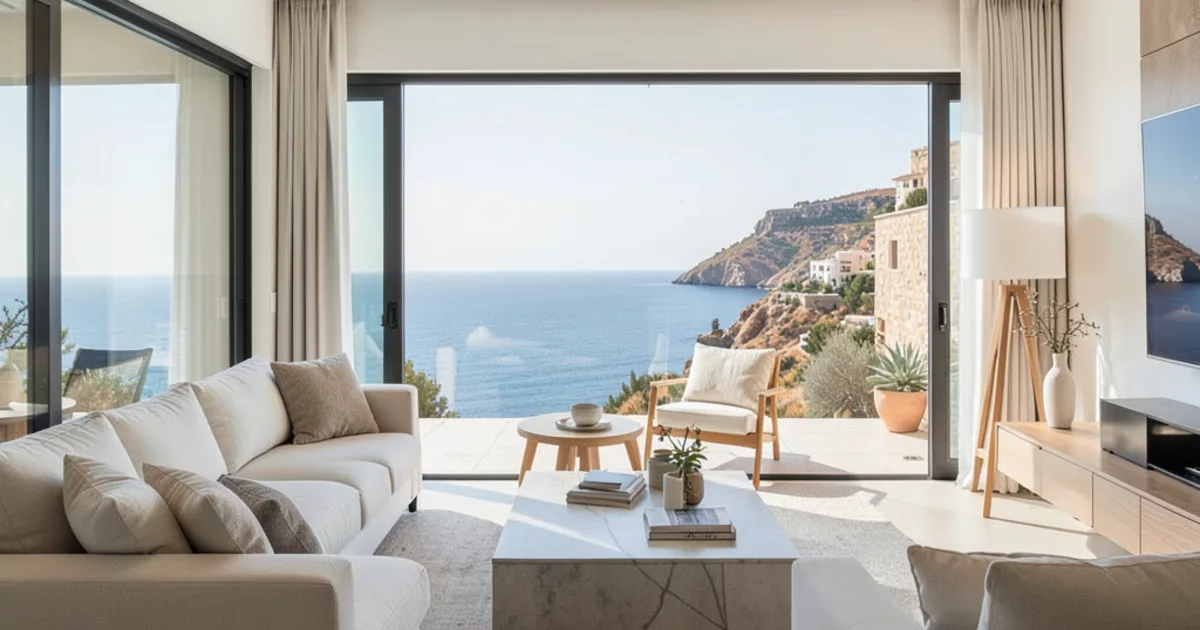
The dream of building an eco-friendly home in Israel, especially in a unique and challenging environment like the Arava region, is increasingly appealing. Beyond the personal satisfaction of sustainable living, many prospective landowners and developers wonder about the practical and financial support available. This in-depth guide explores the landscape of grants, incentives, and regional programs designed to encourage environmentally conscious construction and development in this vibrant desert frontier.
- Understanding the Arava Region: A Unique Eco-System and Development Zone
- National Frameworks for Green Building in Israel
- Exploring Regional Council Support and Local Initiatives
- Potential Financial Incentives: Mortgage Programs and Tax Benefits
- Grants for Renewable Energy and Water Conservation Systems
- The Role of Academic Institutions and Research Centers
- Navigating Bureaucracy: Permits, Planning, and Local Committees
- The Economic Benefits of Eco-Friendly Living in the Arava
- Community Integration and Collaborative Opportunities
- Key Steps for Prospective Eco-Friendly Builders in the Arava
Understanding the Arava Region: A Unique Eco-System and Development Zone
The Arava region, stretching from the Dead Sea to Eilat, is more than just a geographical area; it's a dynamic frontier with a distinct climate, ecological sensitivity, and a strong community spirit. Characterized by its arid conditions, abundant sunshine, and unique desert flora and fauna, the region presents both challenges and unparalleled opportunities for sustainable development. Building here requires a deep understanding of its environmental nuances and a commitment to practices that respect and enhance its delicate balance.
From an economic and social perspective, the Israeli government has long prioritized the development and settlement of the Arava, viewing it as crucial for national security, agricultural innovation, and tourism. This strategic importance translates into various forms of support aimed at attracting residents, fostering economic growth, and encouraging innovation, including in the realm of sustainable building. Therefore, while building in the desert has its complexities, there's a recognized national interest in seeing it flourish responsibly.
Prospective landowners in the Arava are often drawn by the promise of open spaces, a strong sense of community, and a lifestyle intimately connected to nature. However, these benefits come with the responsibility of adhering to building codes and environmental regulations that are often more stringent or specialized than in other parts of Israel. Understanding the regional ethos and its commitment to sustainability is the first step in navigating the landscape of potential support.
The local regional councils, such as the Central Arava Regional Council and the Hevel Eilot Regional Council, play a pivotal role in shaping development and, consequently, in mediating or initiating incentive programs. Their strategic plans frequently emphasize sustainable agriculture, renewable energy, and eco-tourism, creating an environment conducive to eco-friendly residential projects. Engaging with these local authorities early in the planning process can provide invaluable insights into specific regional priorities and available assistance.
National Frameworks for Green Building in Israel
Before delving into region-specific incentives, it's crucial to understand the broader national framework for green building in Israel. The Ministry of Environmental Protection, in conjunction with other governmental bodies, has established standards and initiatives aimed at promoting sustainable construction practices nationwide. The primary national standard is Israeli Standard (IS) 5281 for Green Building, which provides a comprehensive set of criteria across various categories like energy, water, materials, and waste.
While IS 5281 itself doesn't directly offer grants for individual homes, achieving its certification can be a prerequisite or a significant advantage when applying for other incentives. It signifies a commitment to high environmental standards, which aligns with the objectives of many support programs. Adhering to these national guidelines from the outset ensures that your eco-friendly home in the Arava is not just a personal aspiration but also a project that contributes to national sustainability goals.
Beyond IS 5281, the government occasionally introduces broader programs or funds aimed at specific environmental objectives, such as energy efficiency or renewable energy adoption. These programs, often administered through ministries like the Ministry of Energy or the Ministry of Construction and Housing, might offer indirect benefits or specific subsidies for components of an eco-friendly home, regardless of its location. It's essential to monitor announcements from these ministries.
It is important to note that the regulatory landscape, especially concerning environmental standards, is dynamic. New directives, updated standards, and revised incentive programs can emerge. Therefore, staying informed through official government websites and consulting with local planning authorities and environmental consultants is paramount throughout the planning and construction phases of your eco-friendly Arava home.
Exploring Regional Council Support and Local Initiatives
The most direct and significant support for eco-friendly home building in the Arava is often found at the regional and local council levels. Regional councils, such as the Central Arava and Hevel Eilot, are deeply invested in the sustainable development of their communities. They understand the unique challenges and opportunities of desert living and are often the primary drivers behind initiatives that encourage eco-conscious construction.
These regional councils may offer various forms of non-monetary or indirect support. This could include expedited permitting processes for projects demonstrating high environmental standards, access to specialized planning advice, or assistance in navigating complex regulations. Some councils might also provide preferential treatment in land allocation within community expansions for projects that align with their sustainability vision, though this is less common for individual plots.
Furthermore, local communities within the Arava often have their own specific character and development goals. A 'yishuv' (community settlement) might prioritize homes that integrate renewable energy, utilize local building materials, or incorporate water-saving technologies. Engaging with the secretariat of the specific community where you plan to build can reveal localized expectations and potential community-level support or incentives that complement broader regional programs.
It is not uncommon for regional councils to collaborate with non-governmental organizations (NGOs) or academic institutions focused on desert research and sustainable technologies. These partnerships can sometimes lead to pilot programs or grants for innovative eco-friendly building techniques that serve as models for future development. Therefore, a proactive approach in connecting with regional council departments responsible for planning and environment is highly recommended.
Potential Financial Incentives: Mortgage Programs and Tax Benefits
While direct cash grants for general eco-friendly home construction are rare at a national level for private individuals, specific financial incentives often manifest through mortgage programs or tax benefits. Israeli banks, under the guidance of the Bank of Israel, may offer 'green mortgages' (Mashkanta Yaruka) with slightly more favorable terms for homes that meet specific energy efficiency criteria or are certified under IS 5281. These typically involve a reduction in interest rates or more flexible repayment schedules.
Eligibility for green mortgages usually requires a formal energy efficiency assessment or certification from a recognized body. While the savings might seem modest on a monthly basis, over the lifetime of a mortgage, they can amount to a significant financial benefit. It is crucial to consult with various Israeli banks to understand their current offerings and the precise criteria for qualifying for such specialized mortgage products.
Regarding tax benefits, Israel has various property-related taxes, including purchase tax (Mas Rekhisha), arnona (municipal property tax), and capital gains tax (Mas Shevah) upon sale. While there isn't a direct 'eco-friendly home tax rebate' in the same way some countries offer, certain components of an eco-friendly build might qualify for specific tax deductions or exemptions under broader categories. For instance, investments in solar energy systems might have specific tax implications or depreciation benefits for businesses, which might indirectly apply to a residential setup if structured appropriately.
It's also worth noting that in development areas like the Arava, there can be general tax benefits for residents, such as reduced arnona rates or income tax benefits, aimed at encouraging population growth in these regions. While not strictly eco-friendly incentives, these general benefits contribute to the overall financial viability of building and living in the Arava. A qualified Israeli tax advisor can provide the most current and accurate information regarding applicable tax benefits for your specific situation.
Grants for Renewable Energy and Water Conservation Systems
One of the most promising avenues for direct financial support for eco-friendly homes in the Arava lies in grants and incentives for specific systems, particularly those related to renewable energy and water conservation. The Arava's abundant sunshine makes it an ideal location for solar energy, and the arid climate necessitates advanced water management. Government ministries and even some regional bodies periodically offer programs to subsidize the installation of such systems.
For solar energy, grants or subsidized loans might be available for photovoltaic (PV) systems that generate electricity or solar thermal systems for water heating. These programs are often designed to increase the national capacity for renewable energy and reduce reliance on fossil fuels. The Ministry of Energy, for example, has historically supported such initiatives, though specific programs and their criteria can change over time. It's essential to check their official announcements.
Water conservation is another critical area for potential support. Given the Arava's desert environment, efficient water use is not just an eco-friendly choice but a necessity. Incentives might include subsidies for advanced greywater recycling systems, rainwater harvesting infrastructure, or highly efficient irrigation technologies for landscaping. These programs aim to reduce strain on national water resources and promote sustainable water management.
When exploring these grants, pay close attention to the eligibility criteria, application deadlines, and the specific technologies covered. Often, these programs require certified installers, adherence to technical specifications, and sometimes a commitment to ongoing monitoring. Engaging with experts in renewable energy and water management who are familiar with Israeli regulations can significantly streamline the application process for these targeted grants.
The Role of Academic Institutions and Research Centers
The Arava is a hub for desert research and sustainable innovation, thanks in large part to institutions like the Arava Institute for Environmental Studies and various research and development (R&D) centers. These organizations are at the forefront of developing new eco-friendly building materials, energy-efficient designs, and sustainable agricultural practices tailored to arid environments. While they don't typically offer grants for private home construction, they can be invaluable resources.
These institutions often conduct pilot projects or collaborate with innovative developers. If your eco-friendly home design incorporates cutting-edge technologies or materials developed in the Arava, there might be opportunities for partnership, data collection, or even indirect support through their networks. This could translate into access to expert advice, testing facilities, or connections to potential grant-making bodies interested in showcasing innovative solutions.
Furthermore, some research centers receive funding for specific projects that might involve demonstrating sustainable living solutions. A unique, highly innovative eco-friendly home in the Arava could potentially serve as a 'living laboratory' for such research, opening doors to collaborative funding or technical assistance that wouldn't otherwise be available. This would require a high degree of transparency and a willingness to share data and insights.
Engaging with these academic and research communities can also provide access to cutting-edge knowledge and best practices for eco-friendly construction in a desert climate. Their publications, workshops, and expert consultations can inform your building choices, ensuring your home is not only sustainable but also resilient and optimized for the unique Arava conditions.
Navigating Bureaucracy: Permits, Planning, and Local Committees
Building a home in Israel, especially in a developing region like the Arava, involves navigating a complex bureaucratic landscape. The planning and permitting process is multi-layered, involving local planning committees, regional committees, and sometimes national bodies. For eco-friendly homes, this process can be both challenging and potentially advantageous, as environmentally sound plans may receive more favorable consideration.
The initial step involves obtaining approval for your building plan (Taba) from the local planning committee, which operates under the regional council. Projects that demonstrate exceptional environmental sensitivity, adhere to green building standards, and integrate well with the natural landscape of the Arava may find this process smoother. It is crucial to present a detailed and well-documented plan that highlights the eco-friendly aspects of your design.
Engaging with an architect and a planning consultant who specialize in sustainable building in Israel, and ideally in the Arava region, is highly recommended. They can help you prepare the necessary documentation, understand the specific requirements of the local committees, and effectively articulate the environmental benefits of your project. Their expertise can significantly reduce delays and potential roadblocks.
While there are no direct 'eco-friendly fast-track' permits, a project that aligns strongly with the regional council's sustainability goals might receive more attentive and constructive feedback from planning officials. This proactive engagement, coupled with a well-prepared submission, can ultimately lead to a more efficient approval process, which in itself is a significant non-monetary incentive for any builder.
The Economic Benefits of Eco-Friendly Living in the Arava
Beyond direct grants and incentives, one of the most compelling arguments for building an eco-friendly home in the Arava lies in the long-term economic benefits. A well-designed sustainable home can significantly reduce operational costs, particularly in a region with extreme temperatures and high energy demands. This translates into substantial savings on utilities over the lifespan of the property.
Energy efficiency is paramount in the desert. Homes designed with superior insulation, passive cooling strategies, and efficient HVAC systems will consume far less electricity for heating and cooling. Coupled with renewable energy sources like solar panels, an eco-friendly home can dramatically lower or even eliminate monthly electricity bills, providing a continuous 'return on investment' that often outweighs initial higher construction costs.
Similarly, water conservation measures, such as greywater recycling and efficient fixtures, directly reduce water consumption and associated costs, which can be considerable in arid regions. The financial benefits extend beyond utility bills; eco-friendly homes often have higher resale value and appeal to a growing market of environmentally conscious buyers, offering a potential strategic advantage should you decide to sell in the future.
Therefore, even in the absence of a direct grant for the entire project, the inherent economic advantages of sustainable building in the Arava should be factored into your financial planning. These ongoing savings represent a form of 'self-funded' incentive, continually rewarding your commitment to eco-friendly living.
Community Integration and Collaborative Opportunities
The communities in the Arava are known for their strong social fabric and collaborative spirit. Building an eco-friendly home can be further enhanced by integrating with existing community initiatives and taking advantage of collaborative opportunities. Many communities in the Arava actively promote sustainable living, shared resources, and local production.
For instance, some communities might have cooperative purchasing programs for solar panels, water-saving devices, or locally sourced building materials, potentially reducing individual costs. There might also be shared infrastructure projects, such as community gardens utilizing recycled water or shared composting facilities, which your eco-friendly home can connect into, enhancing its sustainability features.
Beyond practical benefits, integrating into the community provides invaluable local knowledge and support. Experienced residents can offer insights into the best practices for desert living, recommend reliable local contractors, and help navigate the unique aspects of building in the Arava. This collective wisdom can prevent costly mistakes and foster a deeper connection to your new home and environment.
Participating in local environmental groups or community sustainability initiatives can also open doors to information about new grants or pilot programs as they emerge. Being an active member of the community demonstrates a commitment to the region's values, which can be indirectly beneficial when seeking support or approvals for your eco-friendly project.
Key Steps for Prospective Eco-Friendly Builders in the Arava
Embarking on an eco-friendly building project in the Arava requires a methodical approach. The first crucial step is thorough research into the specific land plot you intend to purchase. Understand its zoning regulations, soil conditions, water access, and orientation for optimal passive solar design. A binding memorandum (Zichron Devarim) is often the initial step in securing land, but ensure due diligence is completed before final purchase (Tabu registration).
Secondly, assemble a knowledgeable team. This should include an Israeli architect experienced in green building and desert climates, a planning consultant familiar with Arava regional council requirements, and potentially an environmental consultant. Their expertise will be invaluable in designing a home that meets both your eco-friendly aspirations and local regulations, maximizing your chances for any available incentives.
Thirdly, engage proactively with regional and local authorities. Schedule meetings with the relevant departments of the Central Arava or Hevel Eilot Regional Council, as well as the secretariat of the specific community (yishuv) where you plan to build. Inquire directly about any current or upcoming incentive programs, local sustainable development plans, and preferred building practices.
Finally, meticulously document all eco-friendly features of your design and construction. This documentation will be essential for applying for green mortgages, renewable energy grants, and demonstrating compliance with any sustainability criteria. Be prepared to adapt your plans slightly to align with evolving incentive programs or regional priorities, ensuring your project remains eligible for all possible support.
FAQ
Do I need to be an Israeli citizen to buy land and build an eco-friendly home in the Arava?
While non-citizens can purchase land in Israel, there might be specific restrictions or additional complexities, especially concerning land leased from the Israel Land Authority. Consulting with an Israeli real estate lawyer is crucial to understand your eligibility and the specific legal framework for land acquisition.
Are there specific requirements for the type of eco-friendly materials I can use in the Arava?
While there isn't a strict list of mandated materials, regional councils and IS 5281 encourage using locally sourced, recycled, or low-impact materials. The unique desert climate also favors materials with high thermal mass and durability. Your architect can guide you on optimal material choices for the Arava.
How can I find out about the most current government grants for solar panels or water systems?
The most reliable sources are the official websites of the Ministry of Energy, the Ministry of Environmental Protection, and the relevant regional councils (Central Arava, Hevel Eilot). These sites regularly update information on available programs, eligibility criteria, and application procedures. Professional energy consultants in Israel can also provide up-to-date information.
What is the average timeline for obtaining building permits for an eco-friendly home in the Arava?
The timeline can vary significantly based on the complexity of the project, completeness of documentation, and workload of the planning committees. While an eco-friendly design might be viewed favorably, expect the permitting process to take several months, potentially extending to a year or more for complex projects. Early and thorough preparation is key.
Are there language barriers when dealing with regional councils and government bodies in the Arava?
While many officials speak English, official communication and documentation will primarily be in Hebrew. It is highly advisable to work with an architect, lawyer, or consultant who is fluent in Hebrew and familiar with Israeli bureaucratic processes to ensure clear communication and accurate submission of documents.
Get your personalised shortlist
Listings and up-to-date info, straight to your inbox, free, no obligation.
See land for sale →