Coastal Land Development in Israel: Regulations and Opportunities
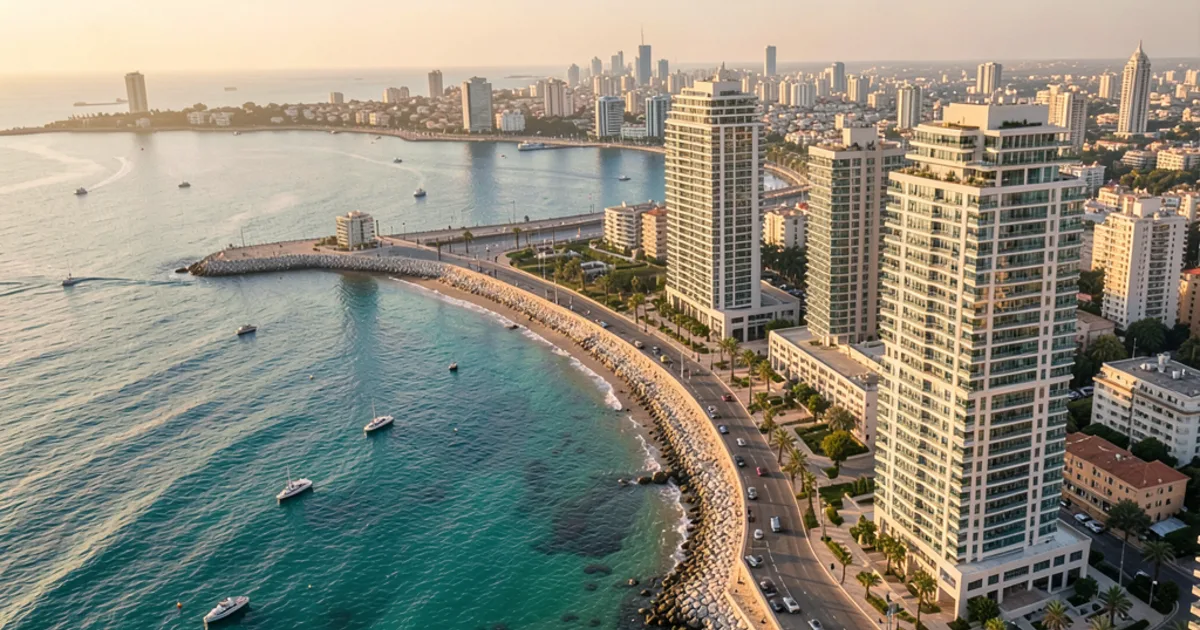
The Mediterranean coastline of Israel represents one of the most prestigious and high-demand real estate corridors in the region. For investors and developers, this strip offers unparalleled opportunities for value creation, yet it is governed by some of the most stringent planning and environmental regulations in the country. Success in this market demands more than just capital; it requires a profound understanding of the local legal framework and the nuances of land ownership. This guide explores the essential elements of coastal land development, from navigating the Tabu to managing complex tax implications.
Quick answer: Coastal land development in Israel is governed by strict planning and environmental regulations that balance urban growth with the preservation of sensitive ecosystems. Success in this market requires navigating a complex approval process involving local planning committees and national authorities to ensure compliance with zoning and conservation standards.
- The Economic Allure of the Israeli Mediterranean Coastline
- Navigating the Complexities of Coastal Zoning and Planning
- Understanding Ownership: The Tabu and ILA Framework
- The Role of Municipalities and Local Planning Committees
- Environmental Protections and Coastal Preservation Laws
- Tax Implications: Mas Rekhisha and Mas Shevah
- Financing Coastal Developments: Mashkanta and Beyond
- The Construction Lifecycle: From Permits to Arnona
- Strategic Investment Approaches: Build, Develop, or Hold
- Mitigating Risks in Coastal Real Estate Transactions
- Conclusion: Balancing Vision with Regulatory Reality
The Economic Allure of the Israeli Mediterranean Coastline
The proximity to the Mediterranean Sea serves as a primary driver for real estate value along the Israeli coast. This geographic advantage creates a natural scarcity of developable land, which in turn sustains high demand from both domestic and international buyers. Whether in the northern stretches or the southern hubs, coastal land is viewed as a premier asset class that often outperforms inland properties in terms of long-term appreciation.
Beyond mere aesthetics, the coastal strip is a nexus of economic activity, blending high-end residential living with tourism and commercial infrastructure. The lifestyle appeal of sea views and beach access translates directly into higher rental yields and resale premiums. For a developer, this means that even with higher entry costs, the potential for significant margins remains robust if the project aligns with market demand.
However, the allure of the coast is tempered by the intense competition for space and the high cost of acquisition. Investors must recognize that they are not just buying land, but a position within a highly regulated and socially scrutinized ecosystem. Understanding this dynamic is the first step in moving from a speculative mindset to a professional development strategy.
Navigating the Complexities of Coastal Zoning and Planning
In Israel, land use is strictly dictated by the National Planning and Building Law, which categorizes land into specific zones. Coastal areas are subject to even more granular oversight to ensure that development does not compromise public access or ecological integrity. Before any project can begin, a developer must consult the local Master Plan, known as the Tzoplan, to understand what is permitted on a specific parcel.
Zoning regulations determine everything from the maximum height of a building to the density of residential units allowed on a plot. In coastal zones, these restrictions are often more conservative than in inland urban centers to preserve the skyline and prevent overcrowding. A project that exceeds these parameters will face significant hurdles during the approval process, potentially leading to costly delays.
It is also vital to understand the distinction between different types of land use permitted within a single municipality. Some coastal areas are designated primarily for tourism and hospitality, while others are reserved for low-density luxury residential use. Misidentifying the primary intent of a zone can lead to a fundamental mismatch between a developer's vision and the legal reality.
- Residential Zoning: Dedicated to housing, ranging from high-density apartments to low-density villas.
- Commercial/Tourism Zoning: Permitted for hotels, restaurants, and retail establishments.
- Mixed-Use Zoning: Allows for a combination of residential and commercial activities within one structure.
- Protected/Green Zones: Areas where development is strictly limited or prohibited to preserve nature.
Understanding Ownership: The Tabu and ILA Framework
The Tabu, or the official land registry, is the definitive source of truth regarding property ownership in Israel. Any serious investor must perform a comprehensive search of the Tabu to verify that the seller holds a clear and unencumbered title. This process reveals whether the land is free from liens, mortgages, or legal disputes that could jeopardize the transaction.
A critical nuance in the Israeli market is the distinction between private freehold ownership and land managed by the Israel Land Authority (ILA). A significant portion of the country's land is not owned outright but is held under long-term leasehold agreements. These ILA leases come with specific conditions regarding how the land can be used, transferred, or developed, and they require formal approval for many types of transactions.
When negotiating a deal, the binding memorandum, the contract of sale, must explicitly address the nature of the ownership. If the land is under an ILA lease, the contract must outline the responsibilities for lease renewal and any fees associated with transferring the lease. For those unfamiliar with the local system, the process of understanding these legal layers can be as intensive as an ulpan course in local culture and law.
The Role of Municipalities and Local Planning Committees
Development in Israel is a decentralized process, meaning that much of the power lies with local municipalities and planning committees. The local planning committee, or Va'adat HaTachniya, is responsible for reviewing and approving building permits at the local level. Their decisions are influenced by both the national master plan and the specific needs and character of the local community.
The approval process can be lengthy and often involves public hearings where local residents have the right to object to proposed developments. In coastal areas, where land is scarce and views are highly valued, public scrutiny is exceptionally high. Developers must be prepared to engage with the community and demonstrate how their project adds value without infringing on the local quality of life.
Working closely with the municipality is not just a legal necessity but a strategic advantage. Understanding the local council's long-term vision for the coastline can help a developer align their projects with the direction of the city. This proactive approach can streamline the permit process and reduce the likelihood of organized opposition.
Environmental Protections and Coastal Preservation Laws
The Israeli coastline is a sensitive ecological zone, and as such, it is protected by rigorous environmental laws. The Nature and Parks Authority plays a significant role in overseeing development near the shore to prevent habitat destruction and coastal erosion. These regulations can impose strict setbacks, meaning a building must be located a specific distance away from the high-tide line.
Environmental impact assessments are often a mandatory component of the planning process for any significant coastal development. These studies evaluate how a project might affect local flora, fauna, and the natural movement of sand and water. Failure to account for these environmental factors early in the design phase can result in a total rejection of the planning application.
Developers must also consider the impact of their projects on public access to the sea. Israeli law places a high value on the principle that the coastline should remain accessible to the general public. Projects that attempt to privatize large stretches of the beach or block access routes are likely to face intense regulatory and legal resistance.
- Shoreline Setbacks: Minimum distances required between structures and the water's edge.
- Erosion Control: Requirements for building methods that do not disrupt natural coastal processes.
- Habitat Protection: Restrictions on construction to safeguard local wildlife and plant species.
Tax Implications: Mas Rekhisha and Mas Shevah
Every real estate transaction in Israel carries significant tax obligations that must be factored into the initial investment model. Mas Rekhisha, or purchase tax, is levied on the buyer at the time of acquisition. The rate of this tax depends on the type of property, the location, and whether the buyer is an individual or a corporate entity. It is a mandatory cost that must be settled to complete the transfer of rights.
For investors who intend to develop and subsequently sell the property, Mas Shevah, or capital gains tax, is a critical consideration. This tax is applied to the profit realized upon the sale of the asset. The calculation can be complex, involving various deductions for improvements, interest, and specific exemptions for primary residences. Accurate forecasting of Mas Shevah is essential for determining the true net return on an investment.
It is also important to recognize that coastal properties, due to their high value, may fall into higher tax brackets. Furthermore, if the land is being developed for commercial purposes, the tax treatment may differ significantly from residential developments. Engaging a professional tax advisor early in the process is highly recommended to optimize the tax profile of the project.
Financing Coastal Developments: Mashkanta and Beyond
Securing adequate financing is a cornerstone of successful land development. For individual buyers looking to build a home, Mashkanta, or a mortgage, is the standard method of financing. Israeli banks are generally conservative, especially regarding coastal properties, and will require thorough documentation and a clear valuation of the land and the proposed construction.
Large-scale developers typically look beyond traditional mortgages, often utilizing construction loans or project financing. These financial instruments are structured around the development lifecycle, with disbursements tied to specific construction milestones. Because coastal land is high-value, the collateral for these loans is significant, but the scrutiny from financial institutions is equally intense.
Interest rates and the overall economic climate can significantly impact the feasibility of a project. Developers must maintain a robust capital reserve to account for fluctuations in financing costs or delays in the permitting process. A well-structured financing plan should include contingencies for both construction delays and potential shifts in the market's interest rate environment.
The Construction Lifecycle: From Permits to Arnona
Once the land is acquired and the zoning is confirmed, the focus shifts to the technical approval of the building plans. Obtaining a building permit is a multi-stage process that requires coordination between architects, engineers, and municipal planners. In coastal zones, this stage often requires additional technical studies regarding wind loads, salt-air corrosion, and foundation stability.
The actual construction phase must be managed with precision to avoid cost overruns and regulatory violations. Any deviation from the approved plans can lead to heavy fines or even orders to demolish non-compliant structures. Maintaining a transparent relationship with the municipal building inspectors is vital for ensuring that the project stays on track.
After the construction is complete and the building is occupied, the owner becomes responsible for Arnona, the municipal property tax. Arnona is calculated based on the size, use, and location of the property, and in premium coastal areas, these rates can be substantial. Understanding the Arnona obligations is essential for both the developer's exit strategy and the end-user's ongoing maintenance budget.
Strategic Investment Approaches: Build, Develop, or Hold
Investors in the Israeli coastal market generally adopt one of three primary strategies: holding, building, or developing. The 'Hold' strategy involves acquiring land and waiting for its value to appreciate due to scarcity and market growth. This is a lower-risk approach, but it requires patience and a significant capital base to withstand the holding costs of land and taxes.
The 'Build' strategy is typically pursued by end-users who wish to construct a custom residence on a specific plot. This approach offers the highest level of personalization but carries the direct risks of construction management and planning delays. For these individuals, the focus is often on lifestyle and the creation of a long-term family asset.
The 'Develop' strategy is the most complex and carries the highest risk-reward profile. It involves purchasing land, navigating the entire planning and construction process, and selling the finished units for a profit. This requires a sophisticated understanding of market trends, construction costs, and regulatory navigation, making it the domain of professional real estate firms.
- Land Banking (Hold): Capitalizing on long-term land appreciation and scarcity.
- Custom Residential (Build): Creating high-end, personalized living spaces for end-users.
- Full-Scale Development (Develop): Maximizing returns through the creation of multi-unit residential or commercial complexes.
Mitigating Risks in Coastal Real Estate Transactions
Risk mitigation in coastal real estate begins with exhaustive due diligence. This must include not only a check of the Tabu but also a deep dive into the local planning history and any potential environmental restrictions. An investor must know exactly what can be built on the land before any money changes hands, as a single zoning error can render a project unviable.
The binding memorandum is the most critical legal tool for protecting an investor's interests. This document must be drafted with extreme care by a legal professional to ensure that all contingencies are covered. It should address the condition of the land, the timeline for permit approvals, and the specific responsibilities of both the buyer and the seller regarding taxes and fees.
Finally, investors must be prepared for the volatility of the regulatory environment. Coastal zones are subject to frequent updates in environmental and municipal policy. Maintaining a flexible development timeline and staying informed through local legal and planning experts is the best way to navigate the inherent uncertainties of the Israeli coastal market.
Conclusion: Balancing Vision with Regulatory Reality
Coastal land development in Israel offers some of the most lucrative opportunities in the real estate sector, but it is not a path for the unprepared. The combination of high demand, extreme scarcity, and rigorous regulation creates a unique environment where precision is as important as vision.
Successful participants in this market are those who respect the complexity of the Tabu, the nuances of Mas Rekhisha, and the authority of the local planning committees. By approaching development with a structured strategy, whether to hold, build, or develop, investors can navigate the hurdles and capitalize on the prestige of the Mediterranean coastline.
Ultimately, the key to success lies in the balance between ambitious architectural goals and a pragmatic understanding of the legal and environmental constraints. Those who master this balance will find that the Israeli coast remains one of the most rewarding frontiers for real estate investment.
FAQ
What is the most important document to check before buying coastal land?
The most critical document is the Tabu (land registry) extract, which confirms the legal ownership and any existing liens. You should also review the local Tzoplan (Master Plan) to ensure your intended use is permitted in that specific zone.
What are the main taxes involved in an Israeli land transaction?
The primary taxes are Mas Rekhisha (purchase tax), paid by the buyer at the time of acquisition, and Mas Shevah (capital gains tax), paid when the property is eventually sold. Both must be factored into your financial projections.
What is the difference between a 'Hold' and a 'Develop' strategy?
A 'Hold' strategy focuses on long-term land appreciation with minimal immediate activity, while a 'Develop' strategy involves active construction to create new units for sale. Developing is higher risk but offers significantly higher potential returns.
Get your personalised shortlist
Listings and up-to-date info, straight to your inbox, free, no obligation.
See land for sale →